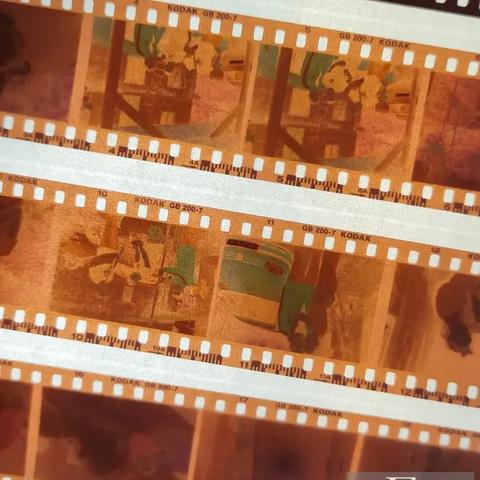
dubblefilm Bubblegum is a colour negative film in 120 medium format, ISO 200, 12 exposures, C-41 process. Every roll is tinted by hand — for dubblefilm that work is done by Revolog, the Vienna workshop behind its own line of effect films.
How the picture looks
Bubblegum adds soft pastel hues — pinks, mints and lilacs spilled across the light areas. Contrast reads slightly lowered, colour turns airy and sweet without shouting. It is the gentlest tint available: the effect is there, but the picture stays a picture rather than becoming a colour filter.
What to shoot on it
Medium format plus tinted stock is the combination for people who are done chasing sharpness: the big negative delivers all the detail and modelling, while the colour pulls the frame away from documentary. Portraits, landscape, still life, weddings and family work shot for mood. Twelve frames impose discipline — each one gets chosen properly.
How to shoot it
Nominal ISO 200, ordinary metering. The result depends on shooting conditions and on the white balance used at scanning — the maker says openly that it comes out a little differently every time. Large, even, light surfaces (sky, a wall, fog) show the tint most clearly.
Processing and scanning
Standard C-41 at any lab that handles medium format. Insist on a scan without automatic colour correction, or the scanner will subtract precisely the hue the film was bought for. If the lab can deliver TIFFs, take them: a tinted frame stays malleable and is a pleasure to finish yourself.
How it compares
Tinted film in 120 barely exists — in practice it is Revolog, dubblefilm and KONO!. Against ordinary colour 120 (Kodak Portra, Ektar) you trade colour accuracy for a character otherwise only reachable in an editor. Against 35 mm effect films, you gain detail and tonal depth.