Interchangeability of reagents
What can and cannot be substituted in a developer formula—from the developing agent to the antifoggant.
Read the guideStep-by-step formulas for developing black-and-white film at home — from decades-old classics to coffee from your kitchen cabinet. Every recipe comes with clear explanations, and advanced or hazardous formulas are labelled separately.
This is a photochemistry recipe handbook for developing black-and-white film at home: developers, fixers, stop baths, and practical guides — 63 entries in all. Each solution lists its purpose, working dilution, temperature, and recommended ISO range.
Recipes that use toxic, caustic, or demanding reagents are marked “Advanced” — handle those only with proper protective equipment. The filters above the grid split entries by type: developers, fixers, stop baths, and guides. Every recipe page gives step-by-step mixing, a development-time table, and plain-language explanations of the key terms.
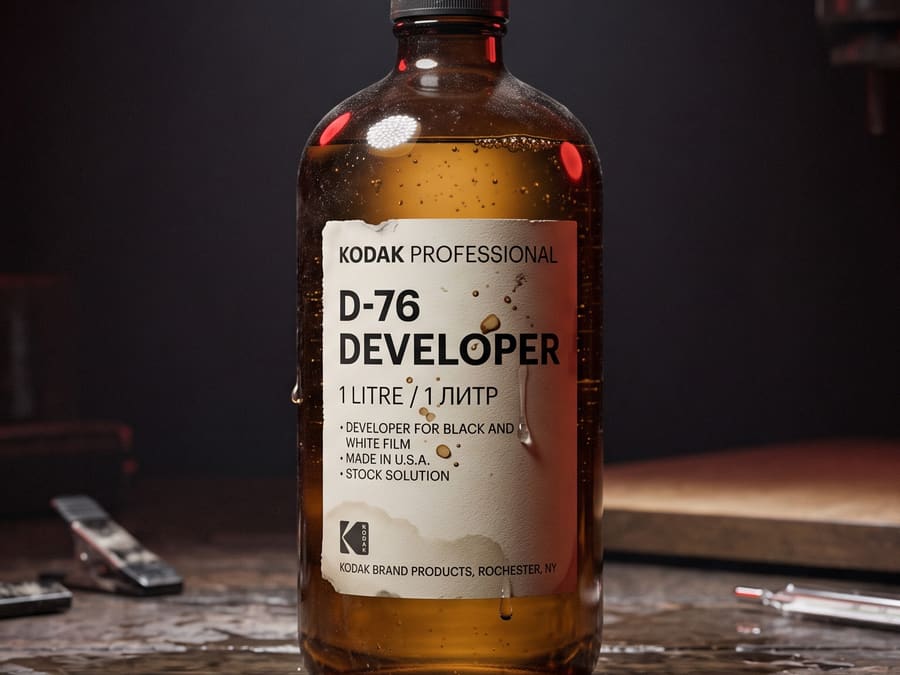
A standard proven over decades for soft, smooth halftones.
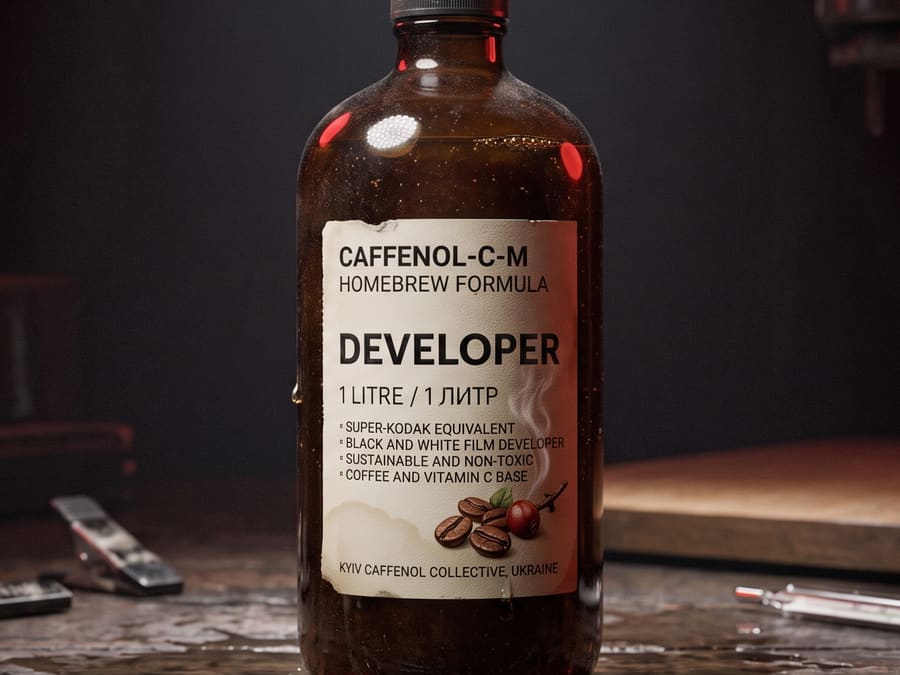
A developer made from coffee, baking soda, and vitamin C—no store-bought chemicals.
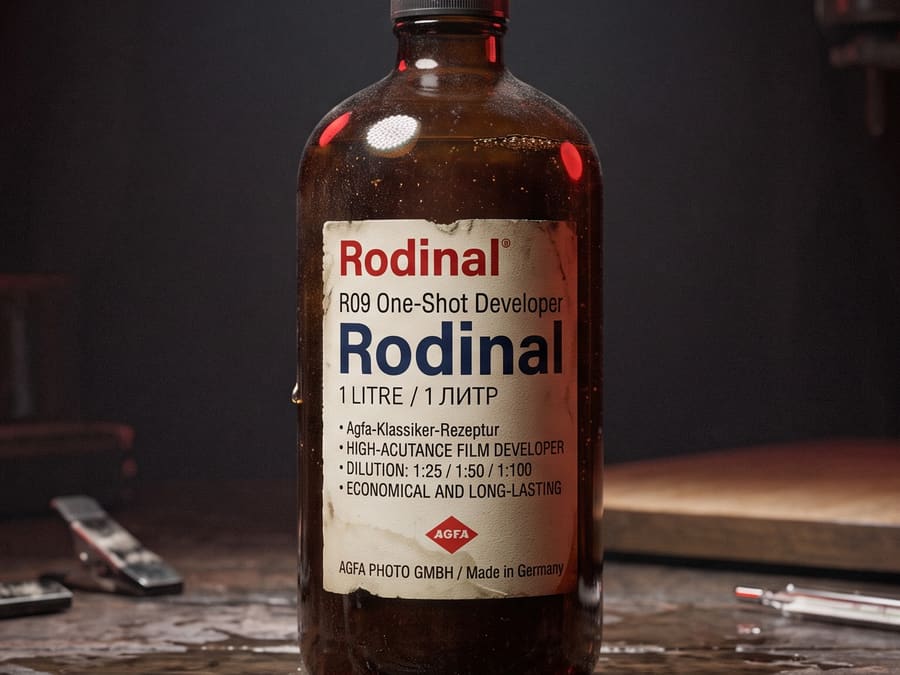
Maximum sharpness and a record-breaking shelf life for the concentrate.
Just two ingredients—the simplest recipe for your first homemade blend.
A classic MQ powder developer that is virtually indistinguishable from Kodak D-76 in terms of composition and results.
A syrup-like concentrate in a single bottle that will last for years—no need to mix anything in advance.
Kodak's proprietary XTOL powder—not to be confused with the homemade X-TOL and AKFF clones on this site.
A standard film developer for black-and-white cinematographic negatives—it produces a soft, even, “cinematic” tone.
A liquid, single-use developer that requires no mixing—just dilute it according to the table for the tank and develop immediately.
A developer that "flattens" the contrast curve—designed for ADOX HR-50, but also works with standard panchromatic films.
It's the same developer as Kodak HC-110, only under the European brand Fotoimpex—the dilutions and processing times are the same.
The buffered metol–hydroquinone analog of D-76 buffered with Kodalk or borax—it has the same gentle, even-toned character and is a domestically developed formula.
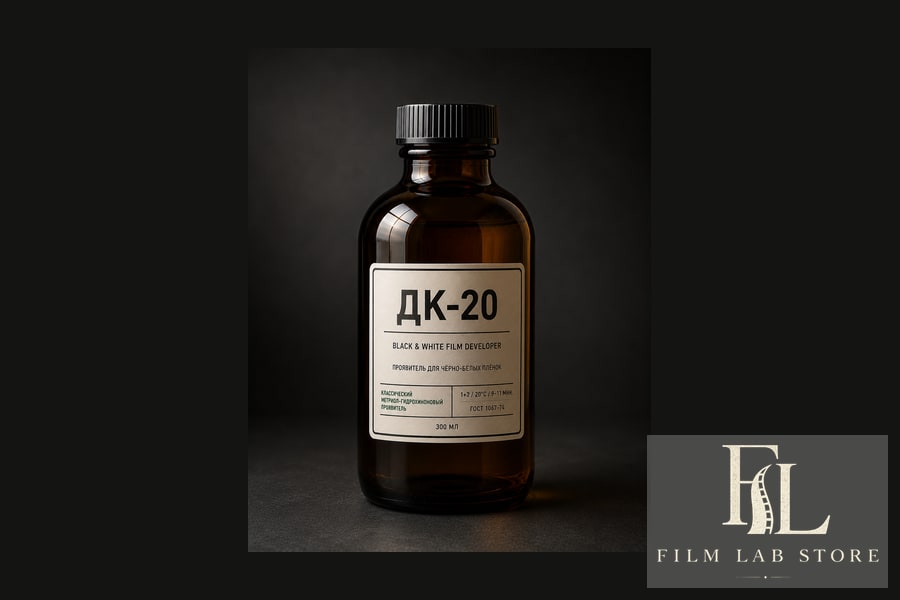
An ultra-fine-grain metol-rodanide developer that reduces grain and light sensitivity to achieve maximum smoothness in the negative.
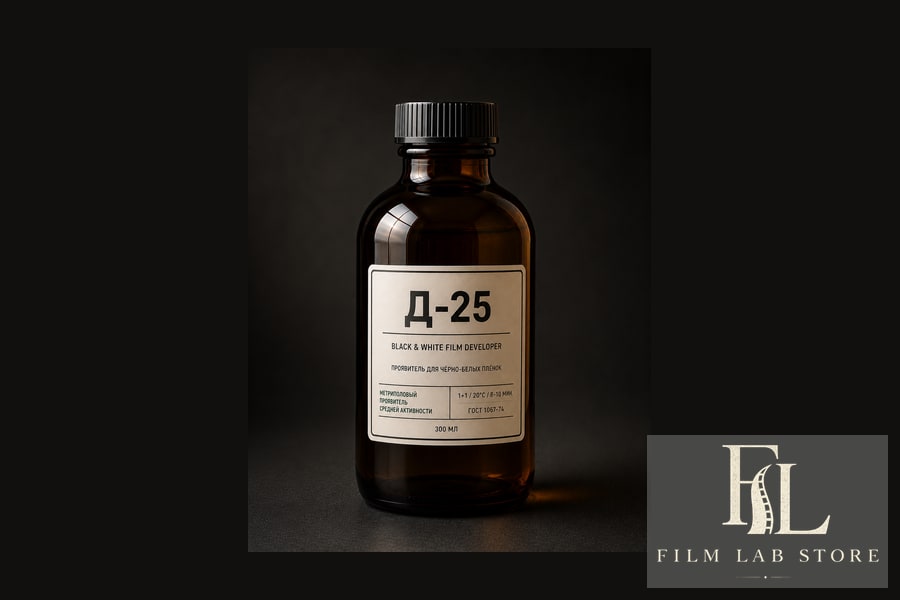
An ultra-fine-grain metol-bisulfite developer for gentle development of old and expired film.
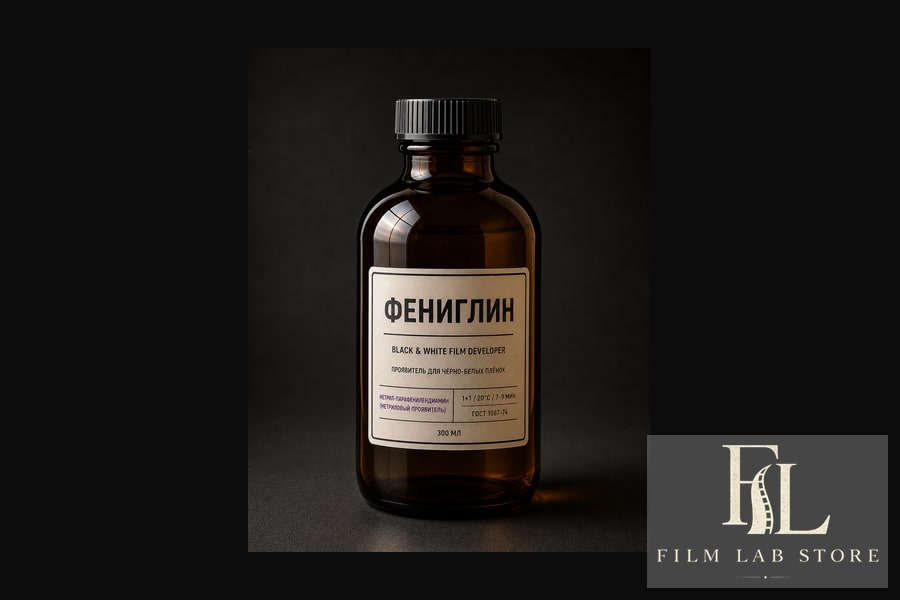
A phenidone-glycine push developer that increases the film's effective sensitivity up to 4 times with virtually no fog.
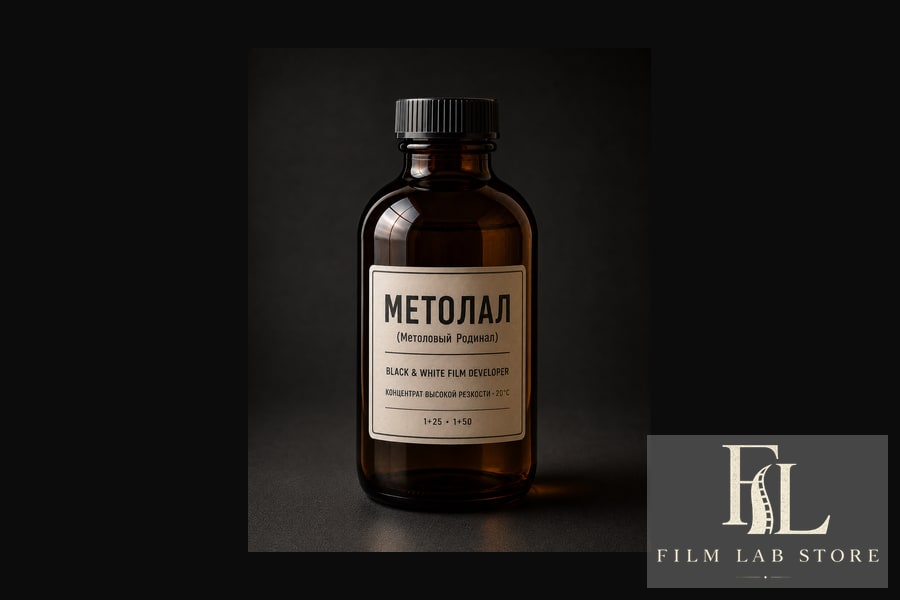
A highly concentrated, all-purpose metol-based developer—an alternative to Rodinal for film and photo paper.
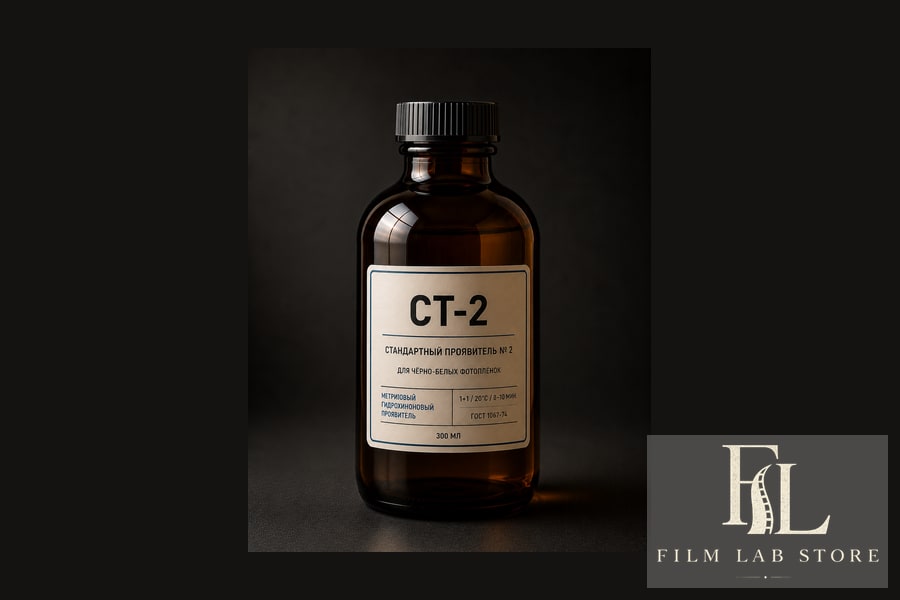
A time-tested standard developer for domestic photographic films, known abroad as ORWO-12.
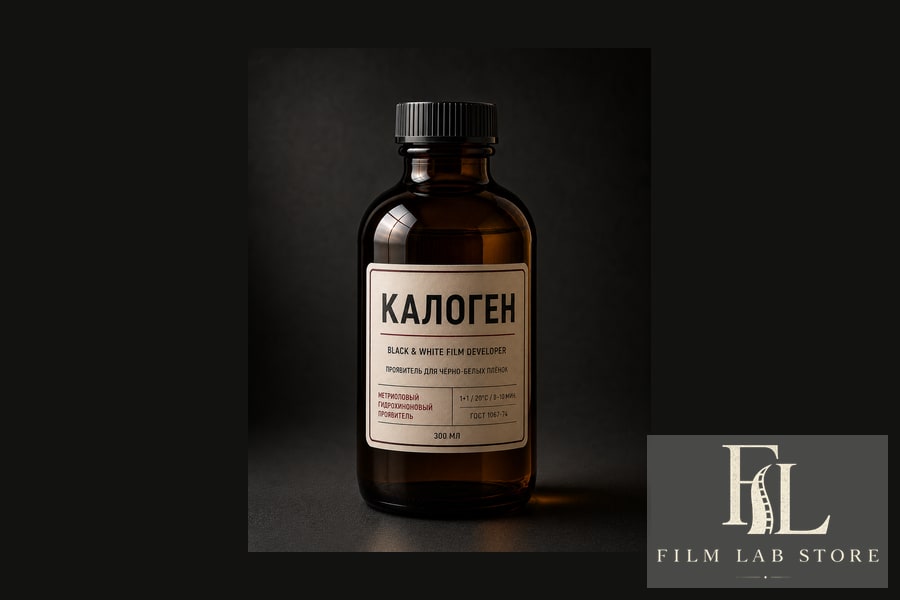
A versatile, highly concentrated rodinal-type developer for film and photo paper, producing deep blacks.
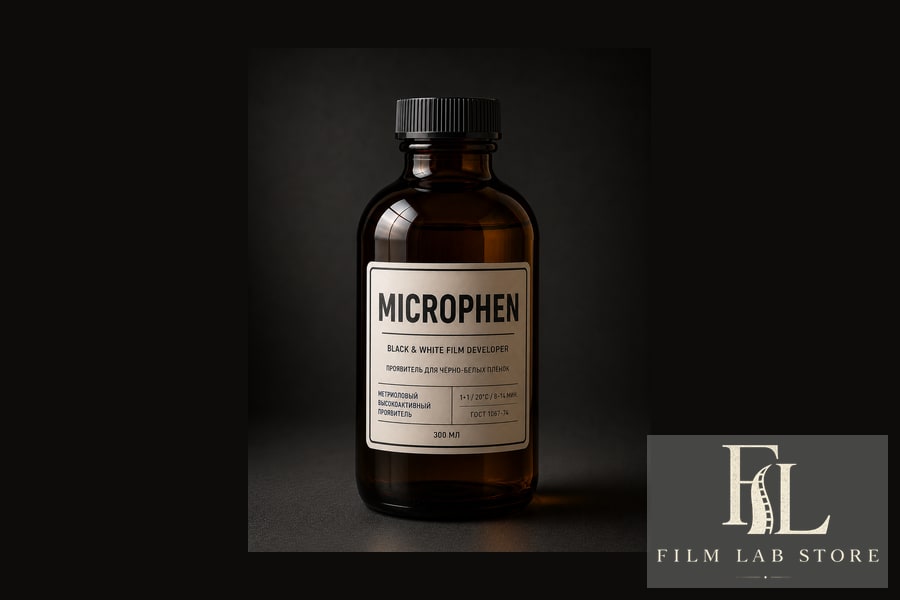
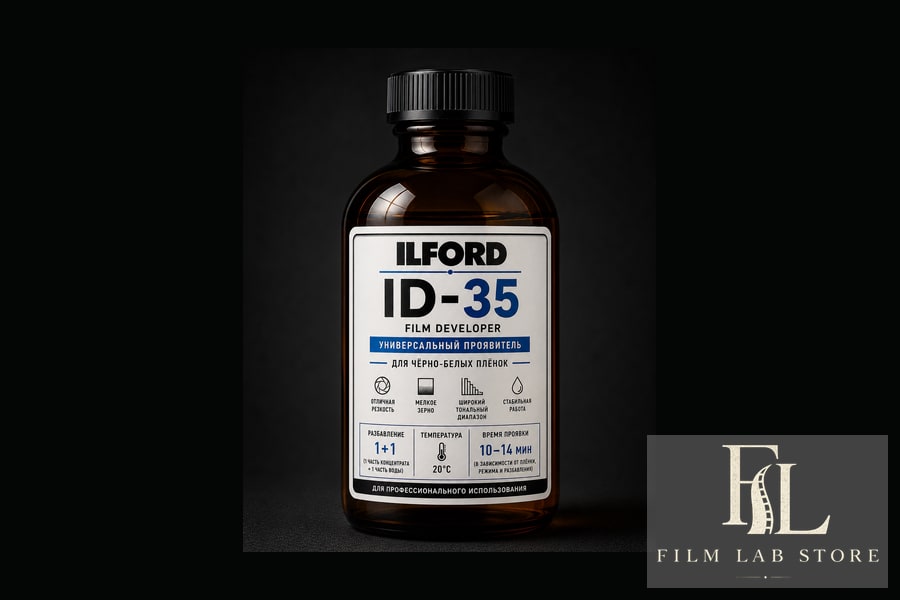
Ilford's low-alkali developer, which increases the film's actual sensitivity with virtually no increase in grain—the gold standard for push processing.
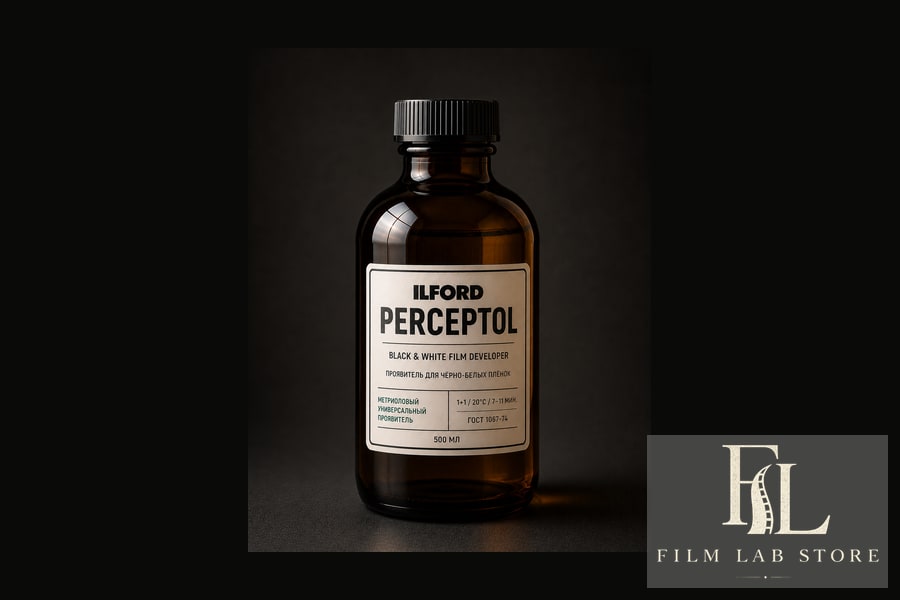
An ultra-fine-grain, alkali-free metol developer sacrifices some of the film's sensitivity in order to produce an extremely smooth negative.
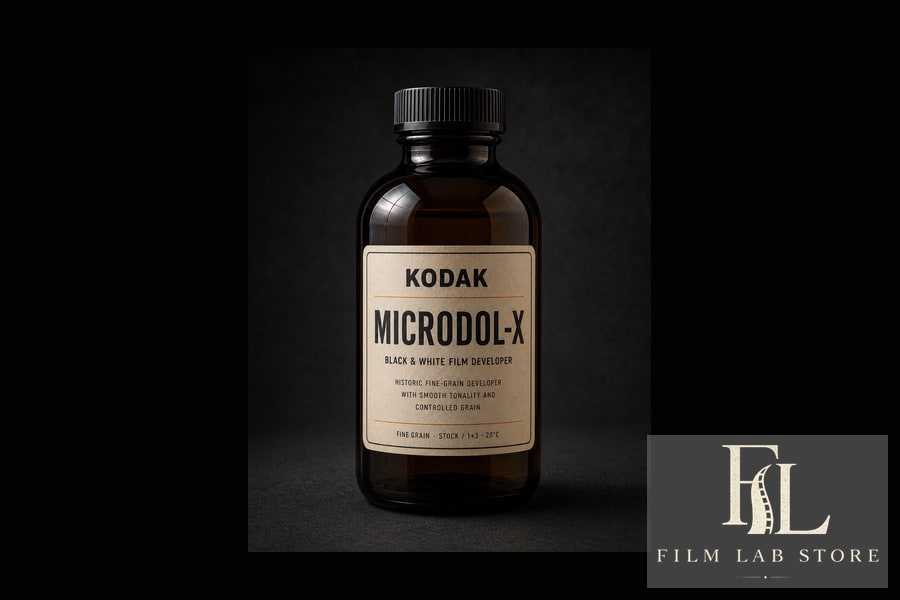
Kodak's ultra-fine-grain metol developer is very similar to Perceptol, a product proven over decades by millions of photography enthusiasts.
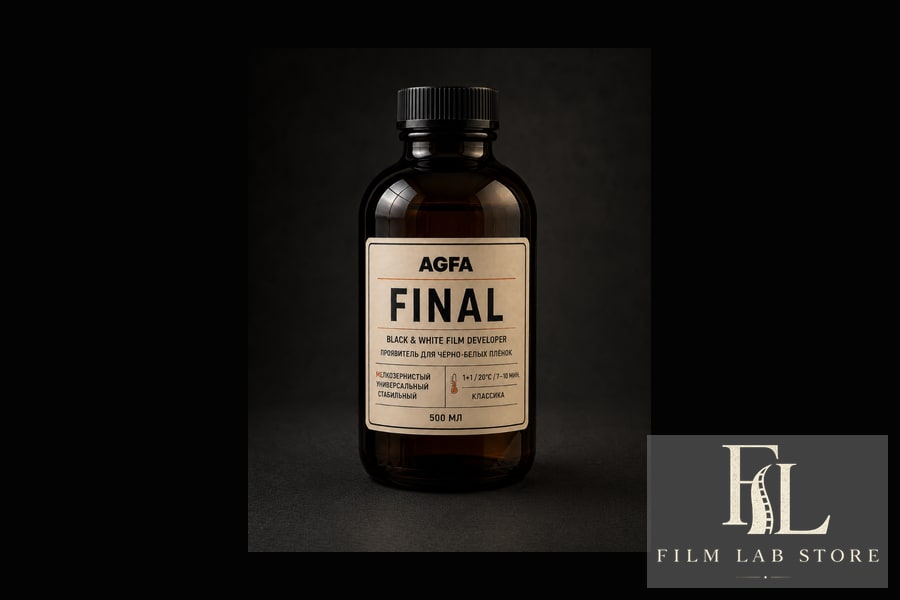
A universal fine-grain developer based on a boron-citrate buffer—a “timeless classic” for film and cinema with a history spanning nearly 80 years.
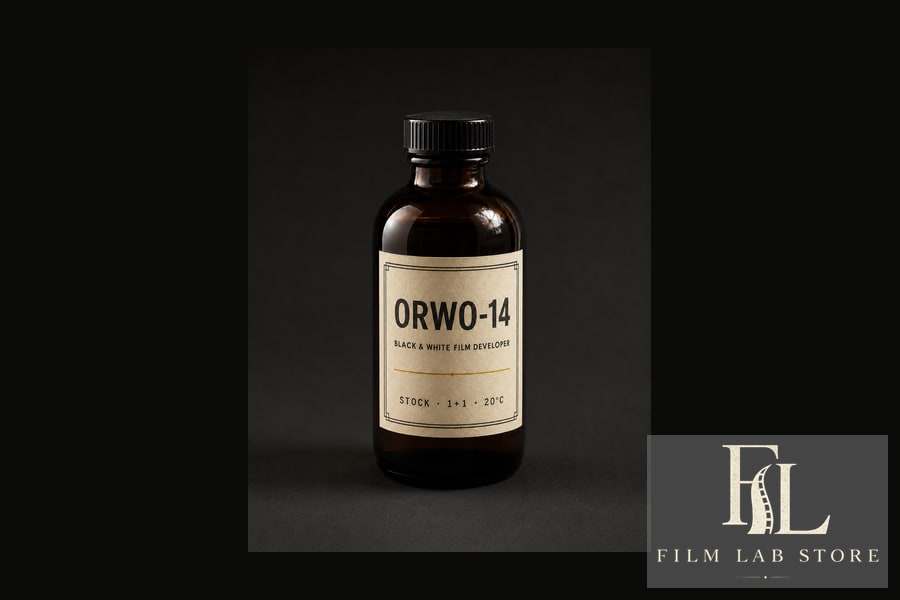
An inexpensive, metol-based, fine-grain leveling developer for reel film—a workhorse originally from the GDR.
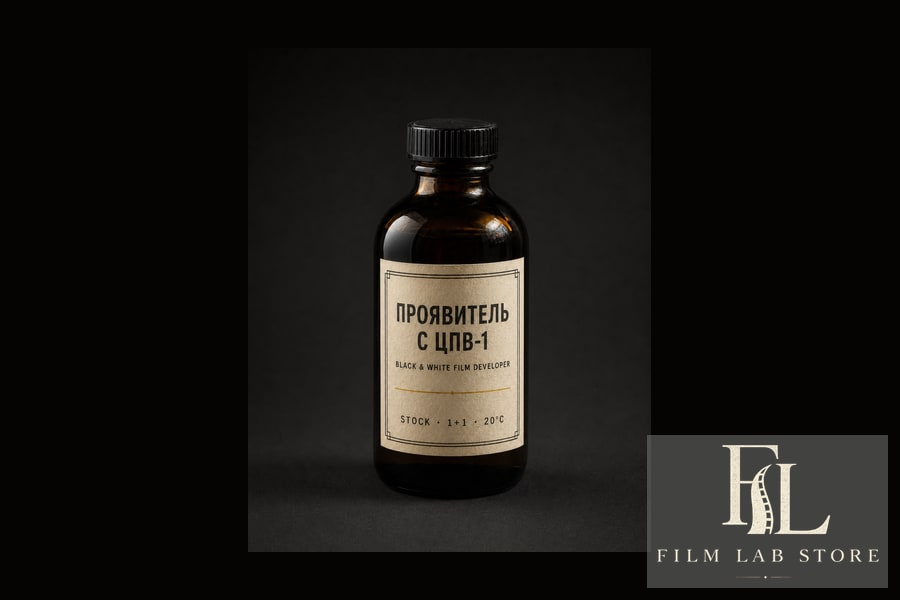
An exotic ultra-fine-grain formula using the color developer CPV-1 and glycine—resulting in an extremely fine grain with almost no loss of sensitivity.
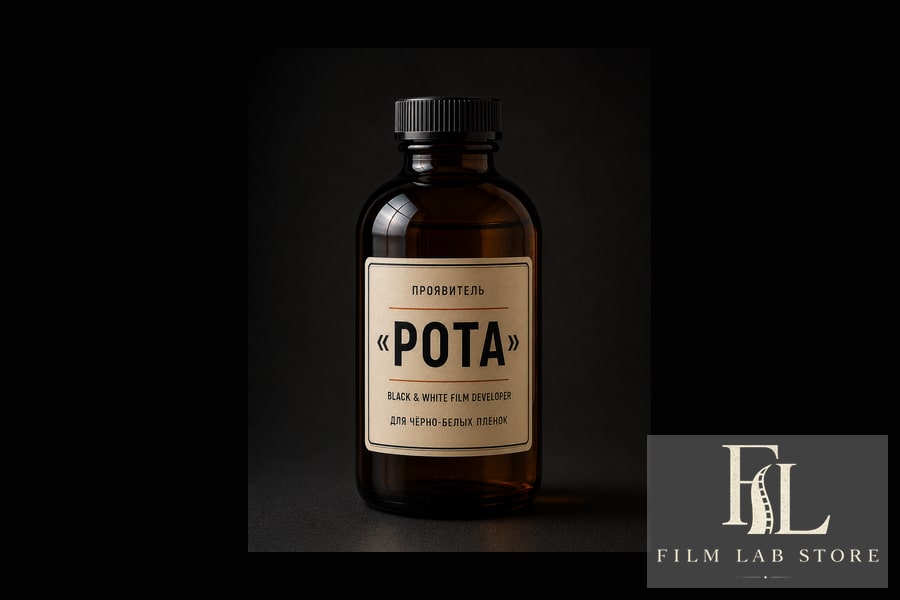
A low-contrast, single-component phenidone developer for scenes with excessive lighting contrast.
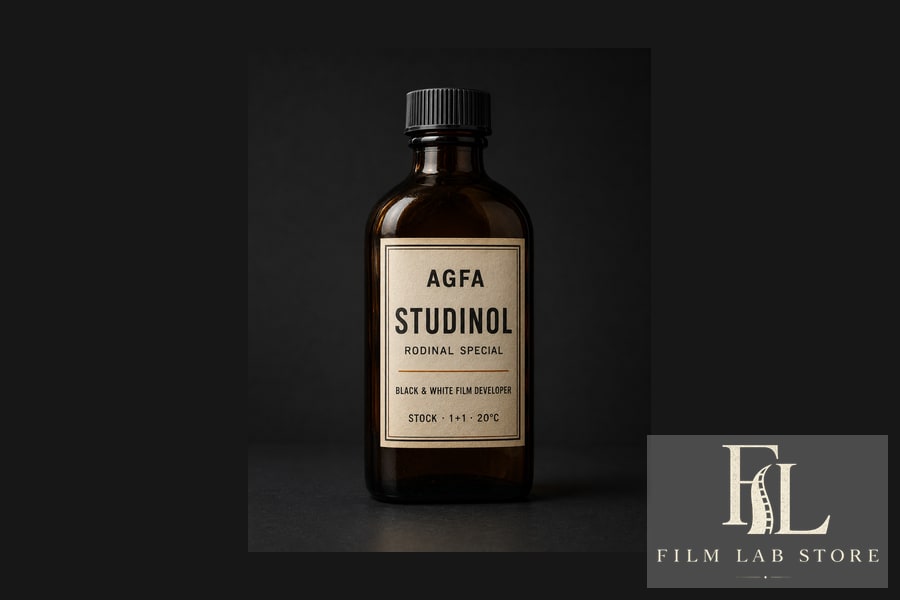
A highly concentrated, universal developer based on a phenidone-hydroquinone system and triethanolamine—despite its name, it functions like Microphen, not Rodinal.
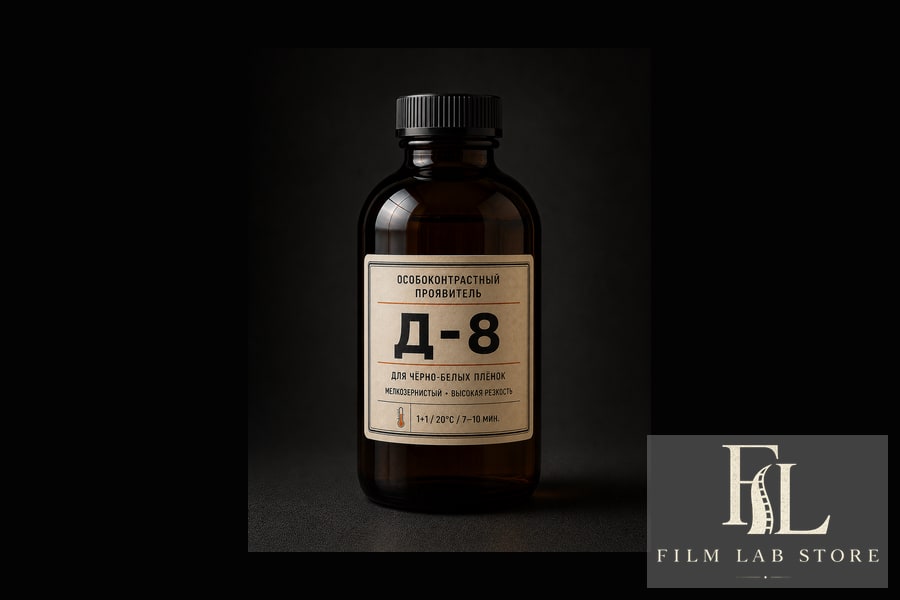
A special alkaline developer for maximum contrast—2 minutes, and no halftones, just black and white.
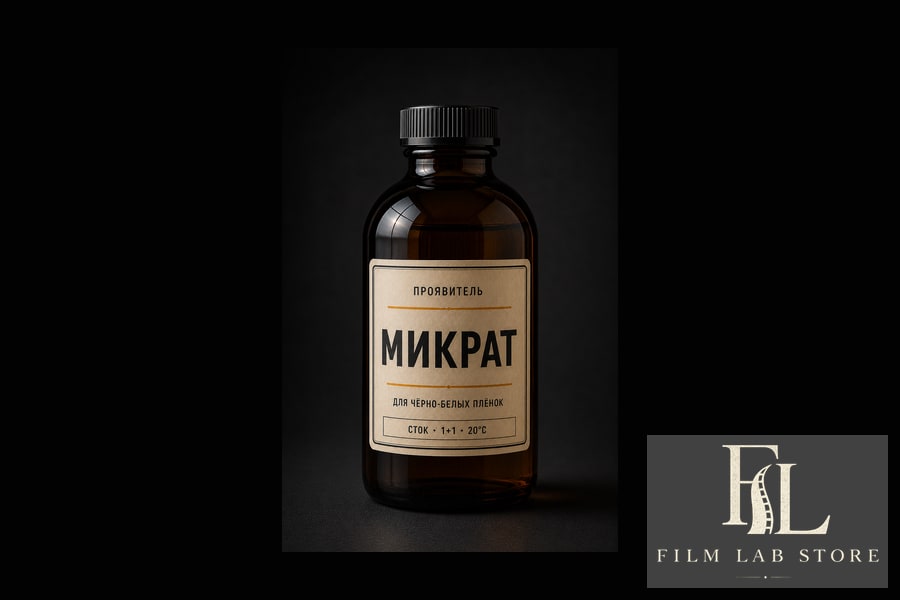
A high-contrast developer for special halftone technical films such as "Mikrat" and FT-20/30/40.
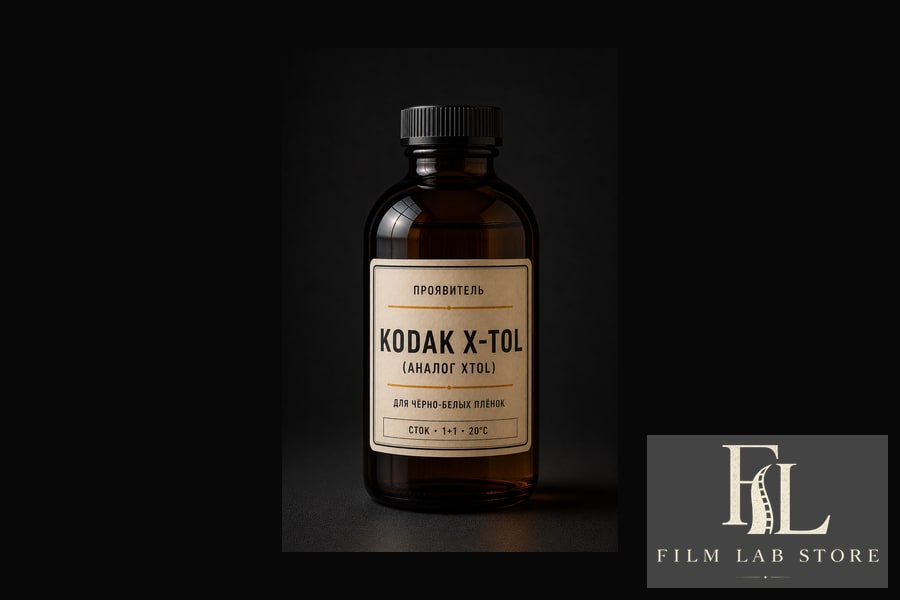
A homemade version of the legendary Kodak XTOL—fine grain, full sensitivity, and gentle shadow rendering.
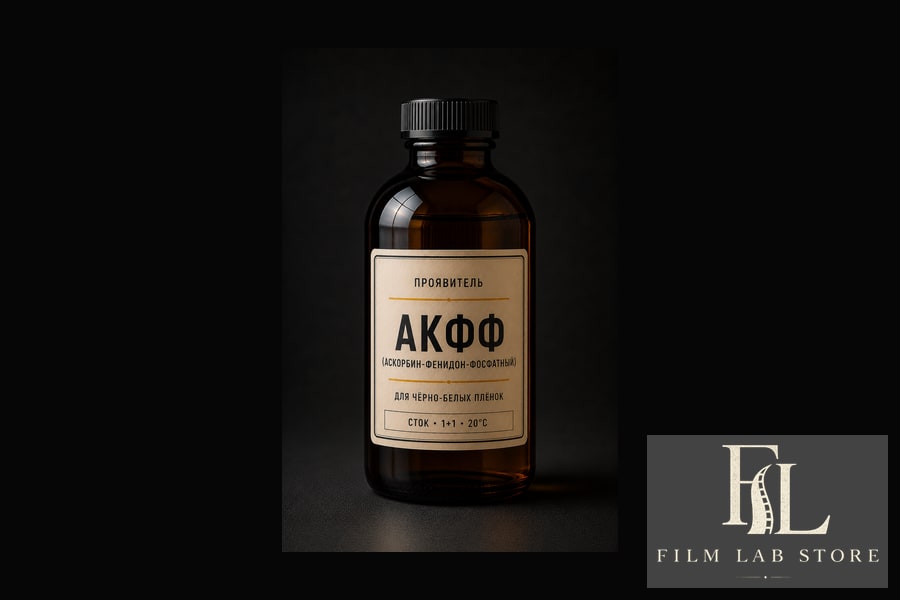
The Kodalk-free XTOL clone based on phenidone and ascorbic acid is user-friendly, reliable, and recommended by the author for beginners.
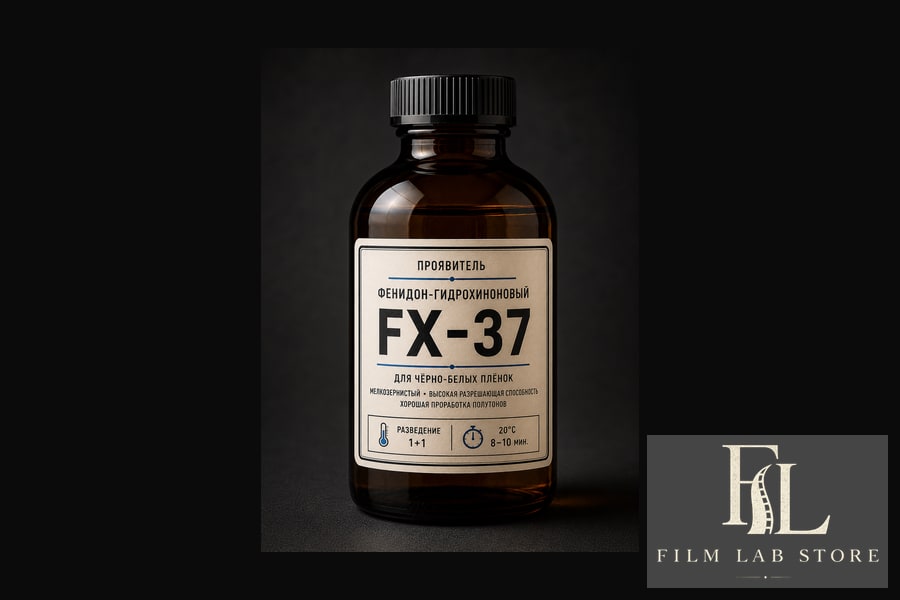
Jeffrey Crowley's Concentrated Acutance Developer, formulated specifically for T-Max and Delta.
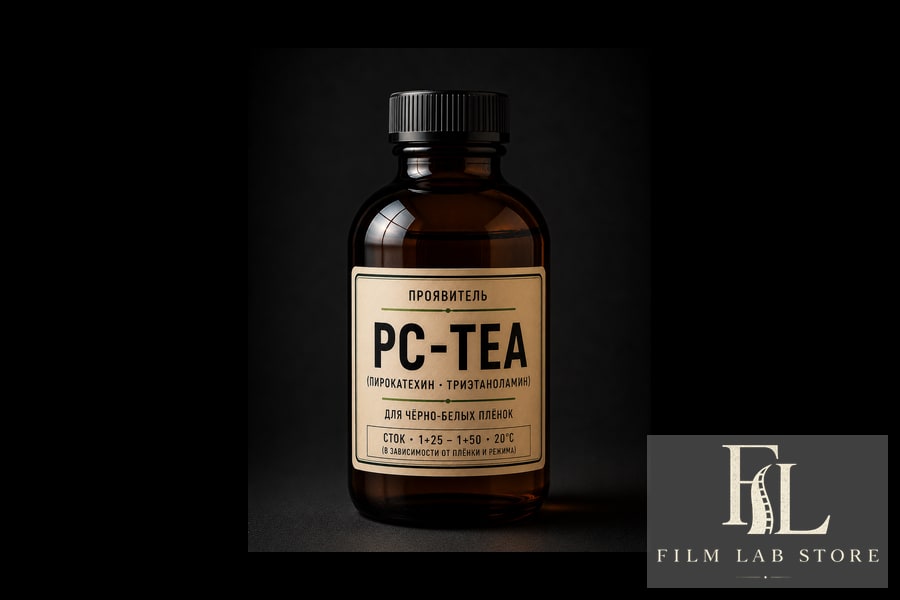
Anhydrous ascorbic acid-phenidone concentrate in triethanolamine—it has a shelf life of over a year and is diluted immediately before use.
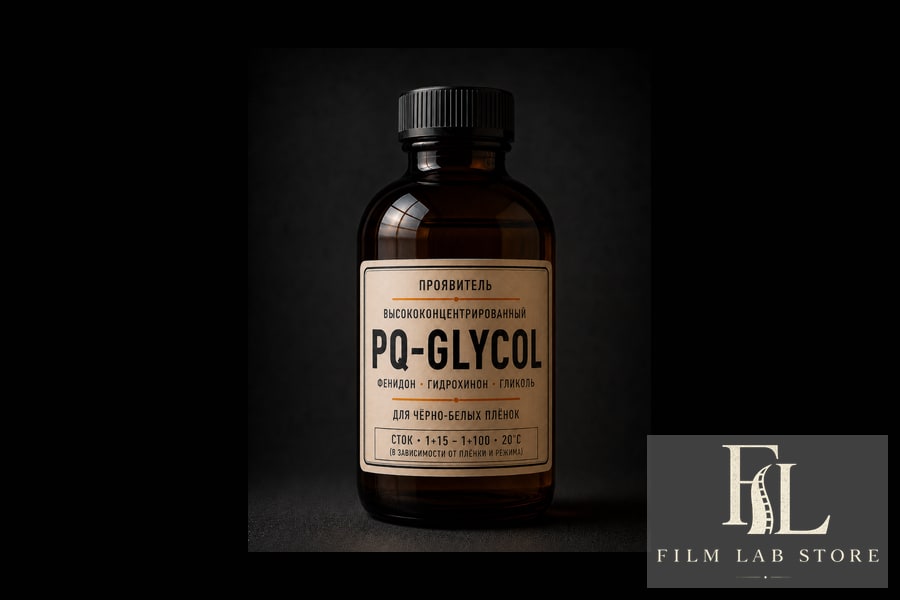
The glycolic variation of Pirocat HD, based on a phenidone-hydroquinone combination, has the same staining properties but uses a different set of reagents.
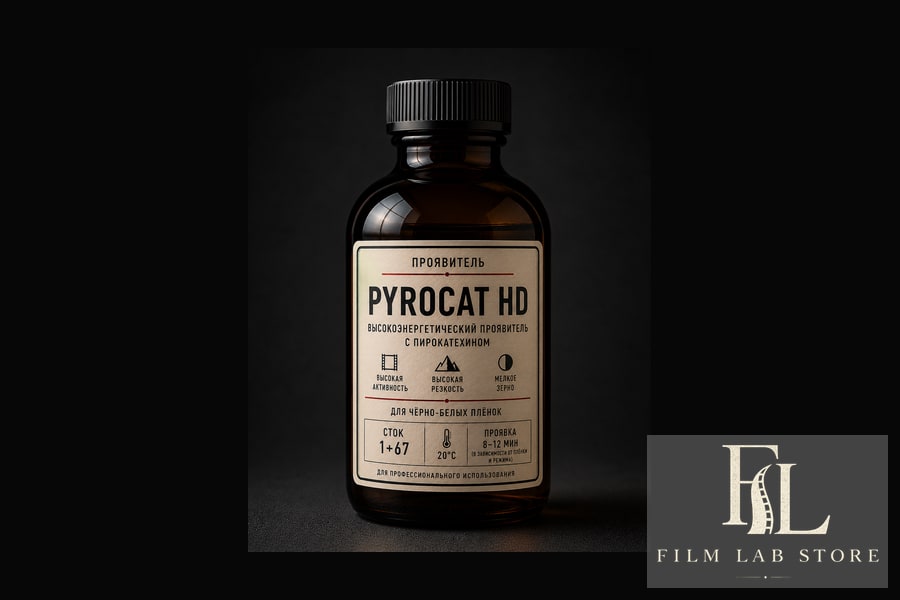
One of the most consistent staining (pyro) developers—it produces high sharpness, fine grain, and minimal fogging.
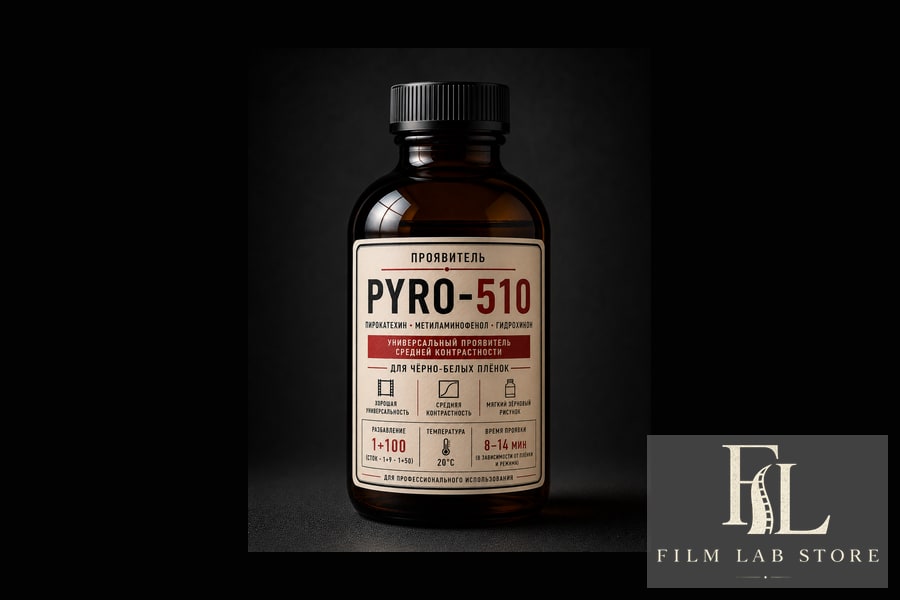
Single-solution pyrogallic concentrate—offers a unique colored finish and the flexibility to dilute it up to a ratio of 1:500.
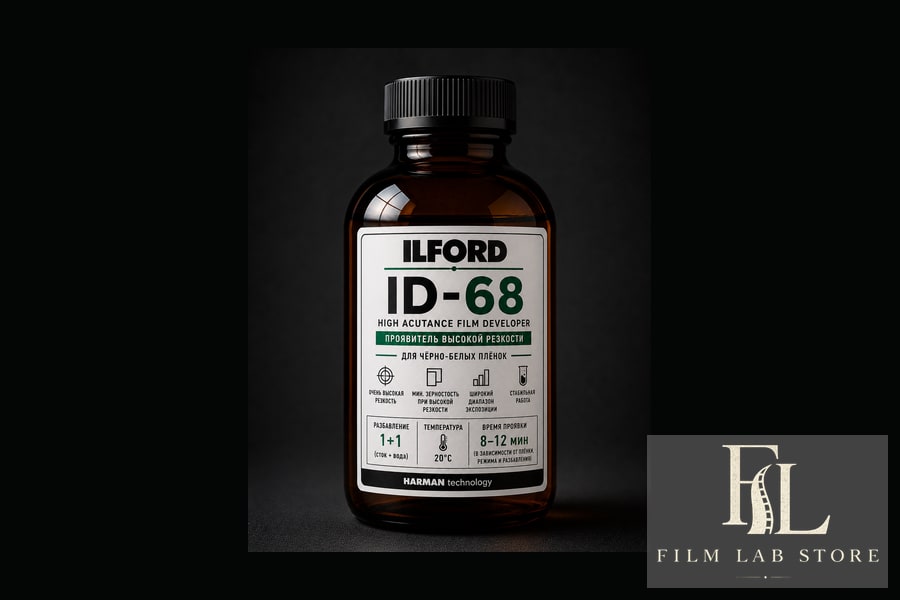
Phenidone-hydroquinone PUSH developer—an evolution of Microphen that increases film sensitivity without increasing grain size.
A two-bath developer for deliberately high-contrast processing of negative film—solutions A and B are mixed in a 1:1 ratio immediately before use.
A highly concentrated phenidone-metol developer for Mikrat technical films that increases equivalent sensitivity without increasing overall contrast.
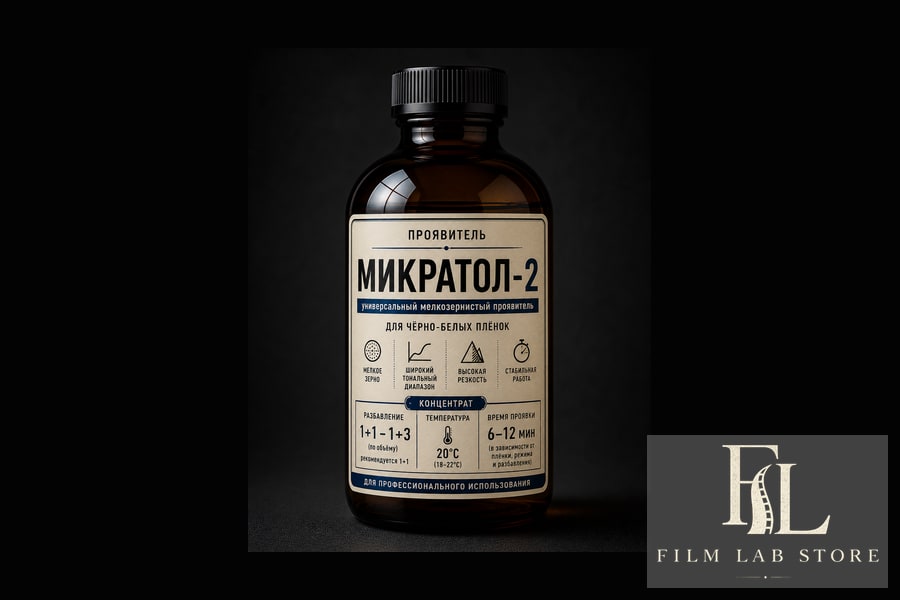
A highly concentrated phenidone-glycine developer for technical and low-sensitivity films with a wide dilution range—from 1:50 to 1:100.
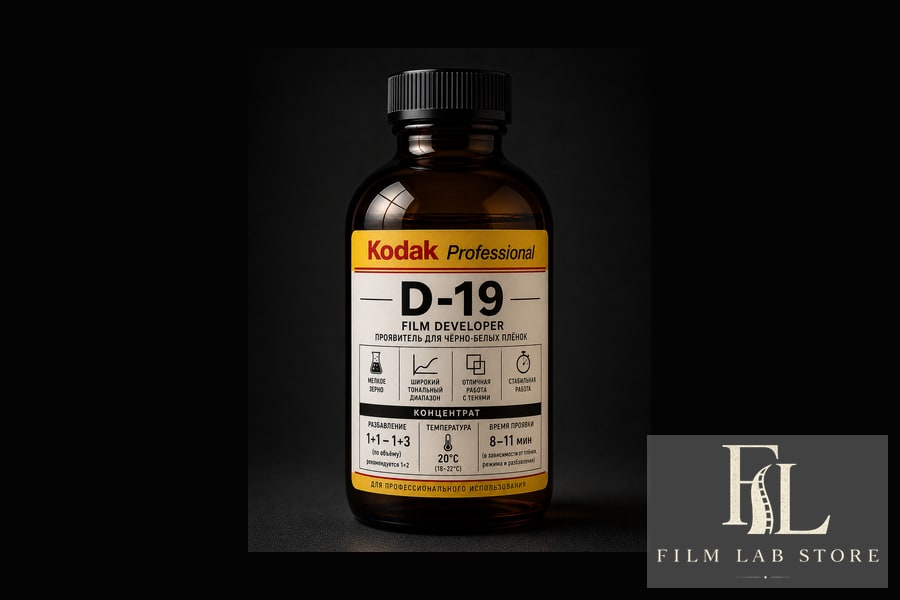
Kodak's universal contrast developer for film and photographic paper—the domestic equivalent of which is known as RENTGEN-2—does not reduce the actual sensitivity and is suitable for PUSH processing.
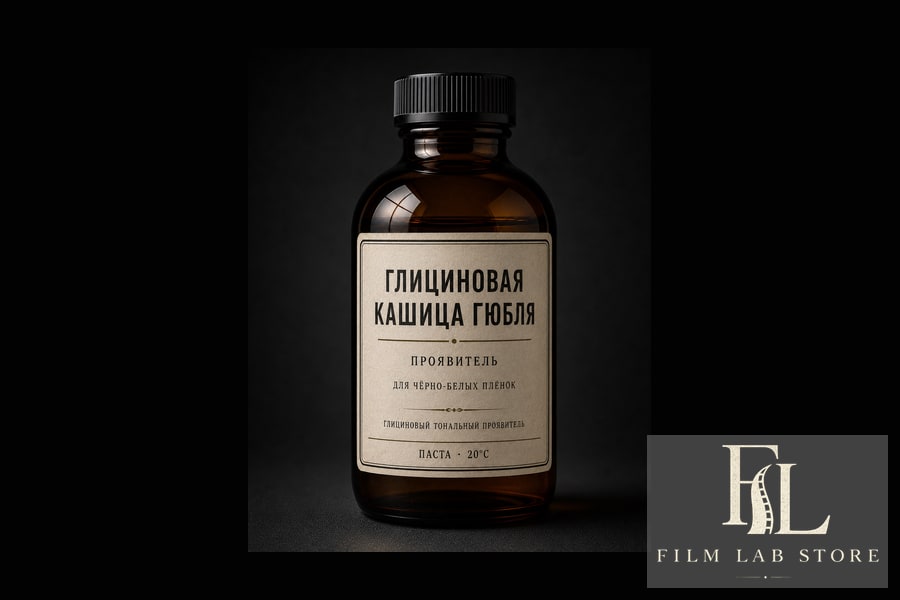
A classic all-purpose developer based on glycine-photo, a reagent that is nearly impossible to find today—it ranges from high-contrast to extremely mild and smoothing, depending on the dilution.
An energetic metol-hydroquinone developer of the Soviet school: high contrast and dense highlights on film, photographic paper and technical materials.
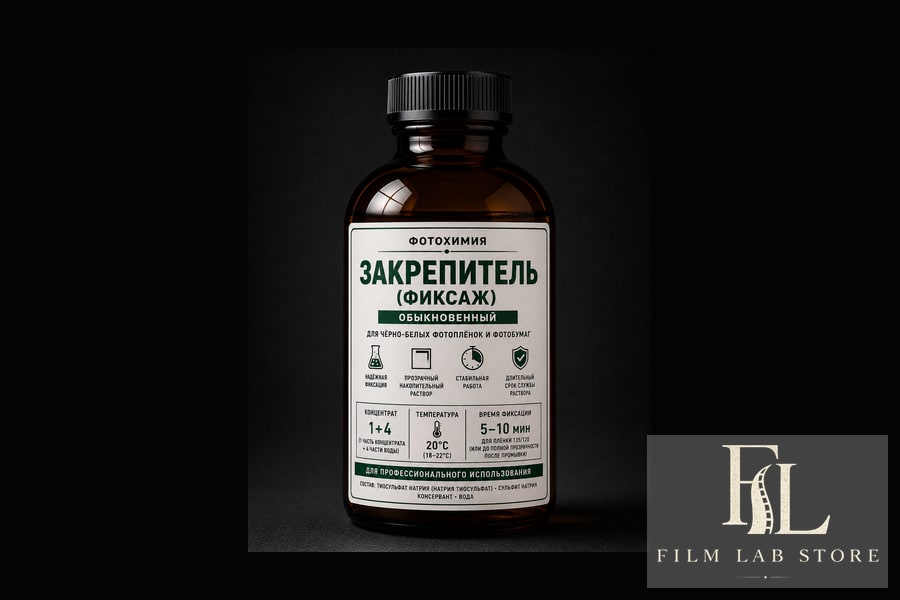
A simple, neutral sodium thiosulfate fixer for gentle processing of any black-and-white materials.
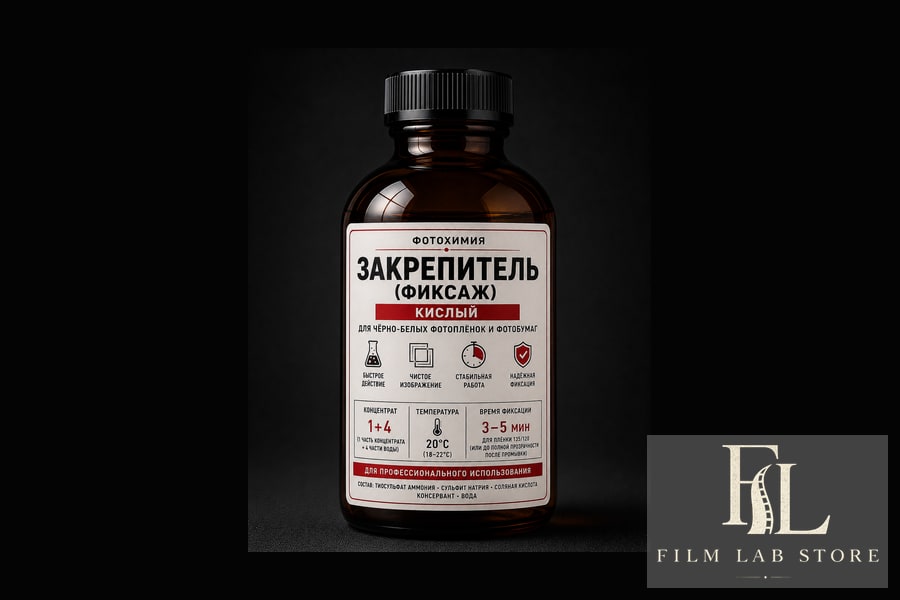
A universal acid-based fixer with superior preservation properties—the standard for films and sheet materials.
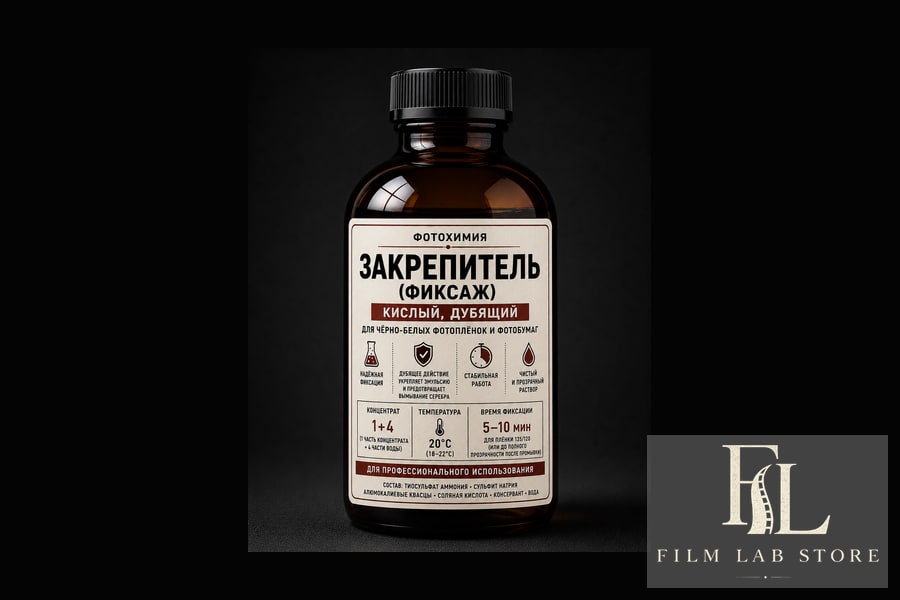
A fast-setting, tanning fixer that strengthens the emulsion for use in hot weather or with old materials.
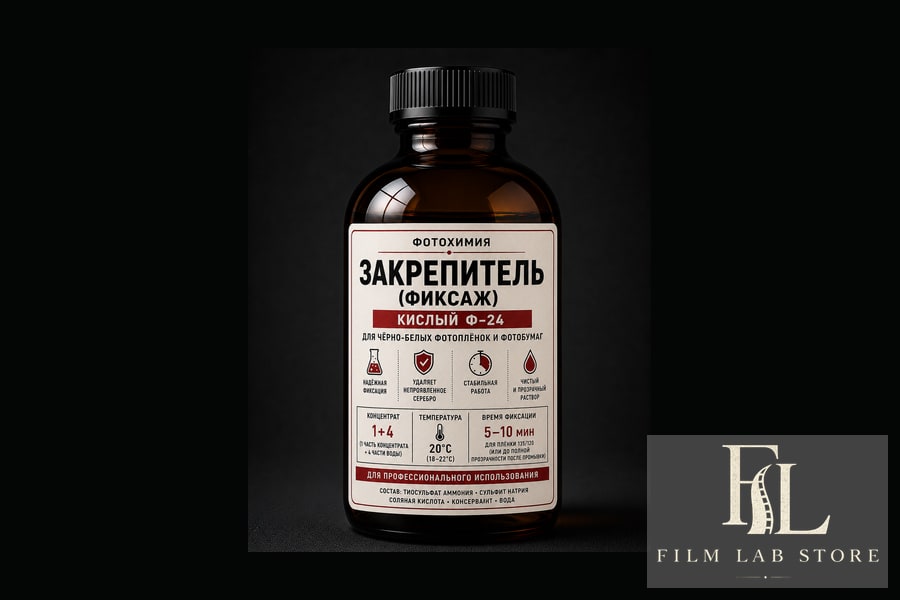
A special non-tanning acidic fixer—for when it's important not to tan the gelatin layer.
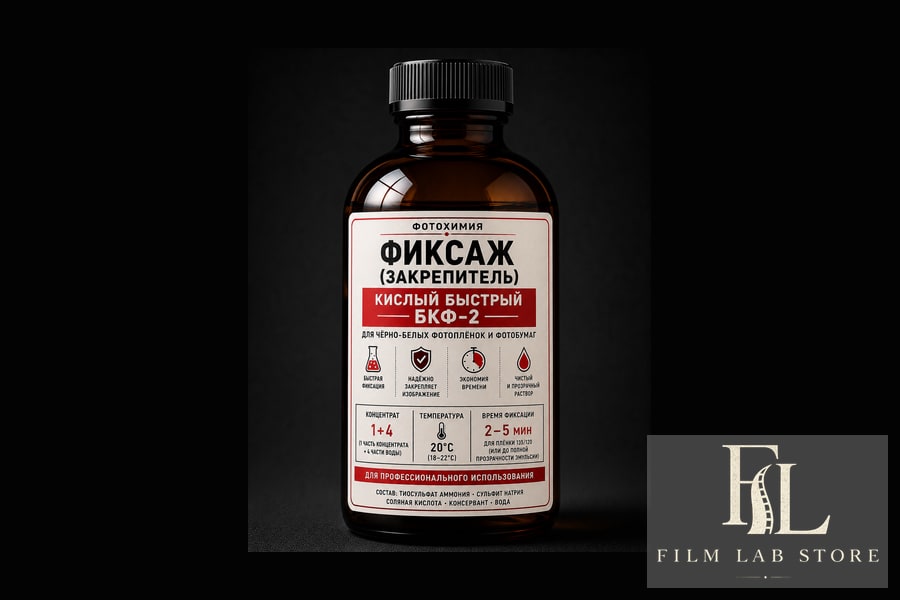
Quick acid fix for technical films (aerial photography, X-rays) and standard film—5–7 minutes.
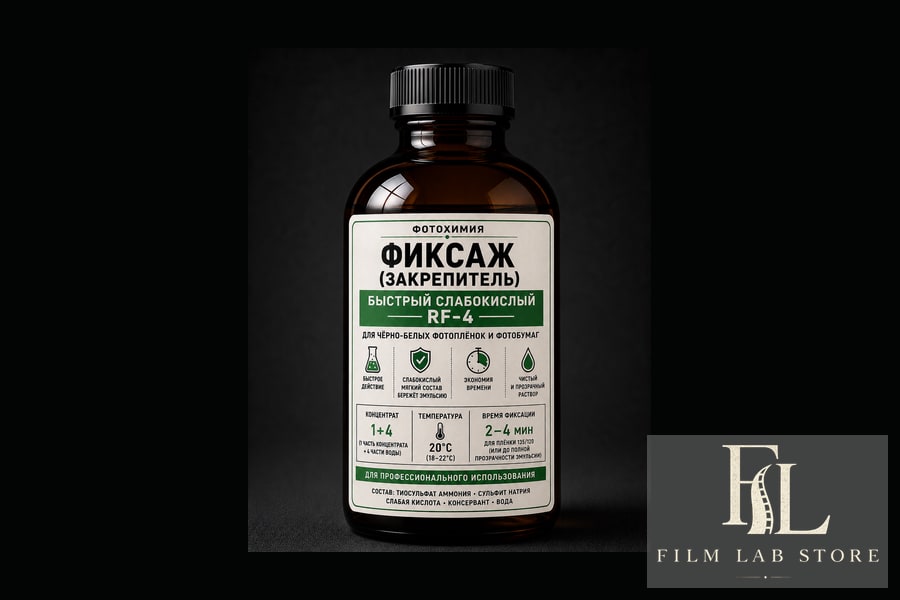
Ultra-fast, mildly acidic fixer (2 minutes)—especially effective after using staining pyro-developers.
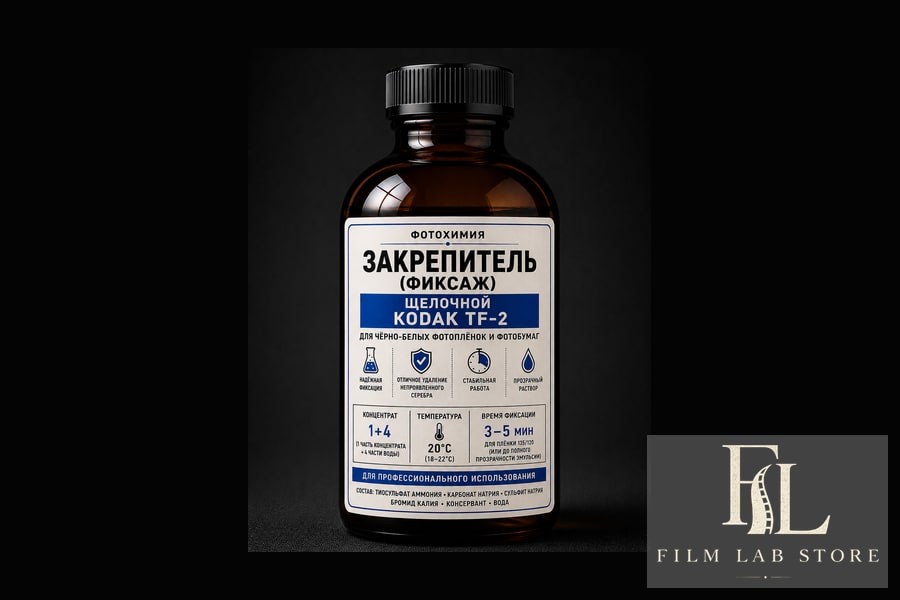
Kodak's classic alkaline fixer—it rinses out quickly and is gentle on old or tinted emulsion.
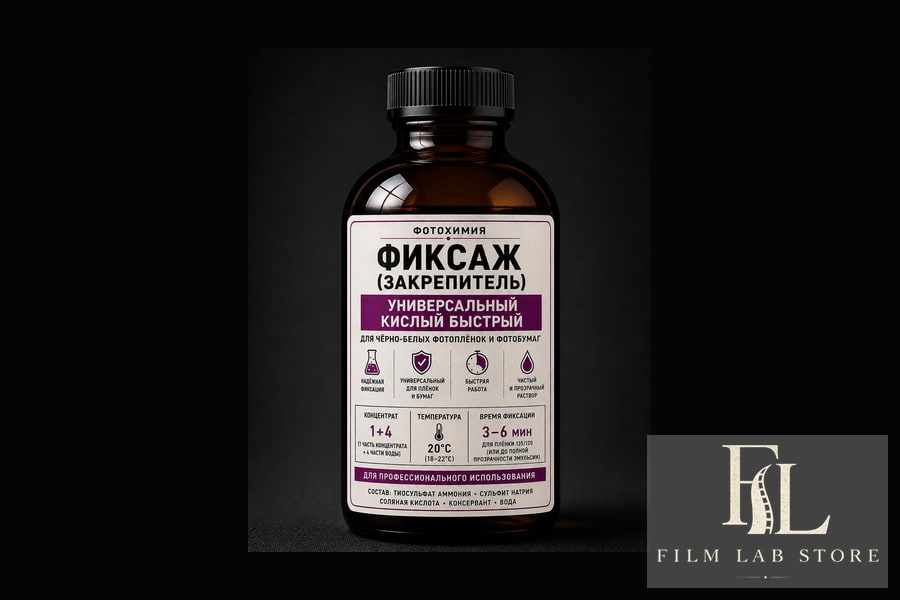
A concentrated rapid acid fixer based on ammonium thiosulfate—diluted as needed and stored for months.
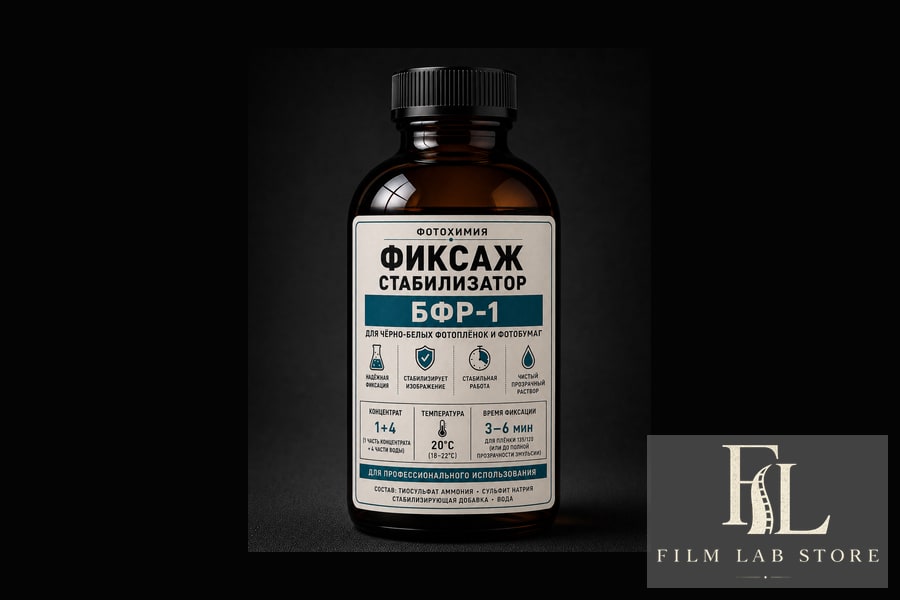
A universal fixation and stabilization system for high-speed and conventional processing—from aerophotographic film to X-rays.
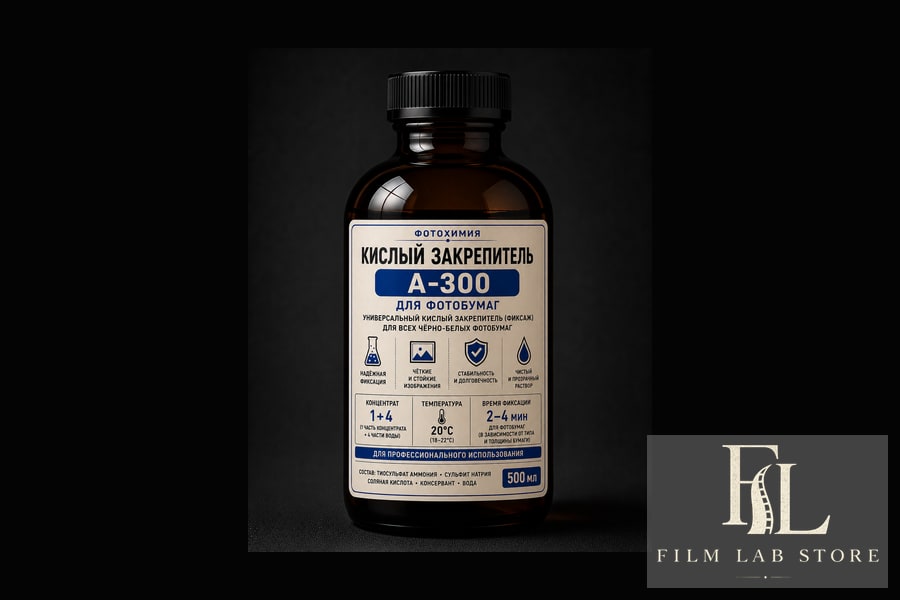
An affordable, classic acid-based fixer—for photo paper only.
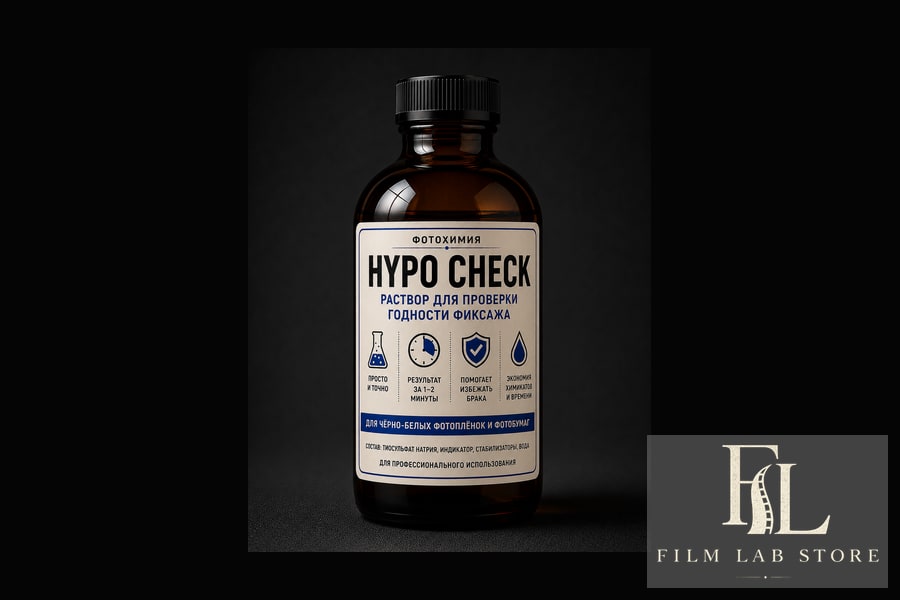
Just a few drops—and you can immediately tell whether you can still use the fixer or if it's time to replace it.
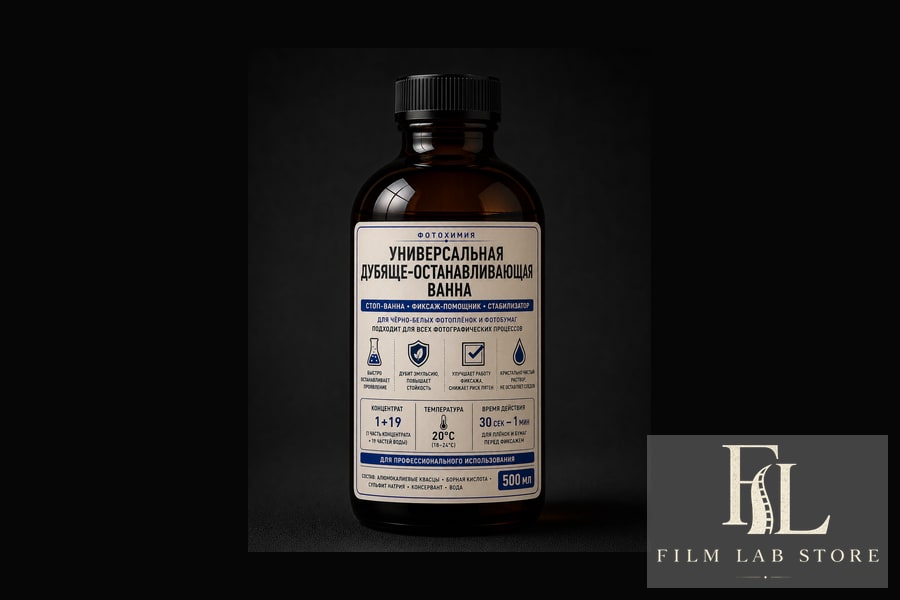
A tanning bath for damaged or “delicate” emulsions—and as a standard replacement for a regular stop bath.
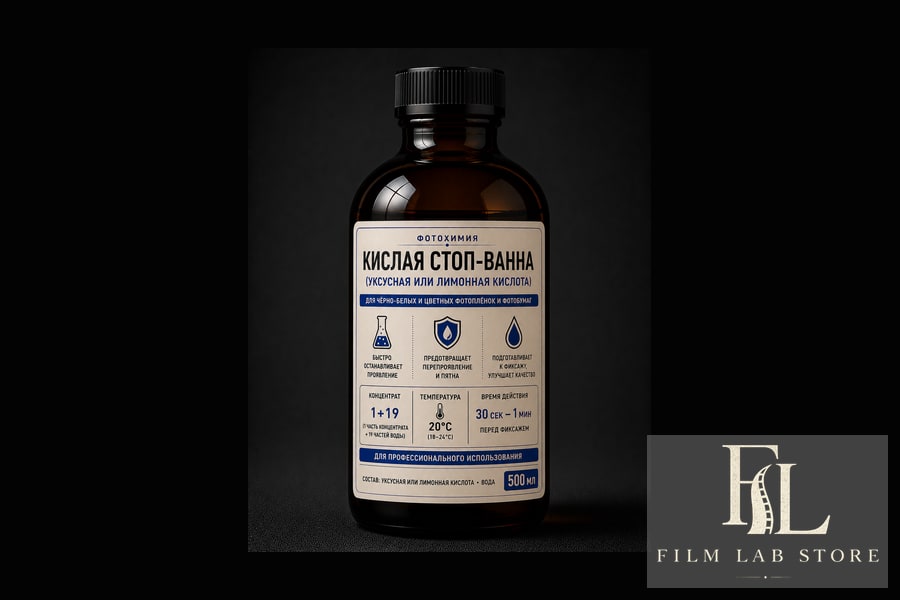
A simple acid solution that instantly stops development and extends the life of the fixer.
Guides
Short deep-dives on specific topics — from picking substitute reagents to winter developing quirks.
What can and cannot be substituted in a developer formula—from the developing agent to the antifoggant.
Read the guideHow and when to add additional anti-haze agents—benzotriazole and potassium iodide—to the developer.
Read the guideHow do the “Leika News” and “Shtikler” developers work, and why does the two-bath process make it nearly impossible to overdevelop the film?
Read the guidePractical Tips for Working with "Rodinal" Developer: Storage, Dilution, Temperature, and Common Misconceptions About Push Processing and Expired Film.
Read the guideWhere does grain come from on negatives and prints, and how can it be minimized—from shooting to printing?
Read the guideWhy do developer concentrates and solutions with high salt content not tolerate cold well—and how can you salvage them if crystallization has already begun?
Read the guideA brief guide to the photochemical reagents most commonly found in formulas for black-and-white developers, fixers, and auxiliary solutions.
Read the guideWhich photochemical reagents are subject to regulatory control as precursors or toxic substances—this is background information, not instructions.
Read the guideQuick answers to the questions that most often come up when working with homemade developers and solutions. Details on each topic are in the individual reference articles.
Yes, but with a weight adjustment and, as a rule, a 50% increase in the amount of alkali in the formula. Potassium metabisulfite and sodium bisulfite are viable substitutes, but they are acidic rather than neutral, so without adjusting the alkali content, the developer’s balance will be disrupted. Detailed conversion factors can be found in the article “Interchangeability of Reagents.”
Below +5°C, solutions with a high salt content are at risk of partial crystallization, and at subzero temperatures, this applies to almost any liquid photochemical solution. You can salvage the solution by gently warming it in warm water (50–55°C), shaking it repeatedly, and then slowly cooling it. For a detailed step-by-step procedure, see the article “Solutions in Winter.”
No, that’s a common misconception. Rodinal is a moderately equalizing developer with fine grain, but it’s not well-suited for push processing or for expired, fogged film. For push processing, it’s better to use “Microphen,” AKFF, or X-TOL, and for expired film, use potassium bromide-based developers such as ST-2. For more details, see the article “A Few Things About Rodinal.”
Benzotriazole is a strong anti-fogging agent used when the standard potassium bromide in the developer is not enough to suppress fog (most often on expired film). But there is a downside: an excessive concentration noticeably reduces the film’s light sensitivity, so the exposure is usually increased by 20–50%. For details and exact proportions, see the article “Anti-fogging Agents.”
Grain is determined by dozens of factors—from the film’s sensitivity and freshness to the precision of the developer and the harshness of the lighting during printing. There is no one-size-fits-all solution, but you can systematically address the main causes: shoot on fresh, low-sensitivity film, focus precisely, avoid over-development, and use an enlarger with diffused (matte) light. For a complete list of causes and recommendations, see the article “Combating Grain.”