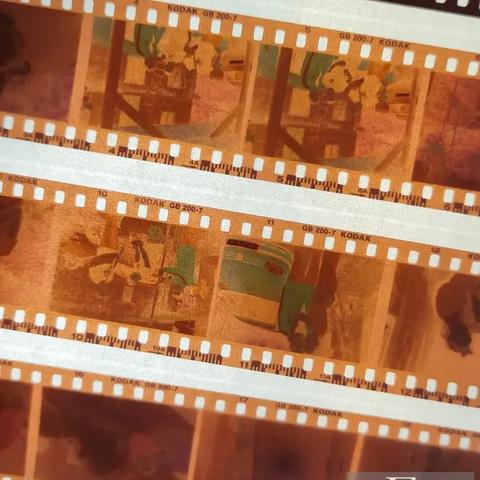
Kodak Ektapan 100 is a black and white negative film in 120 medium format, ISO 100, standard black and white processing. One thing a buyer should know: Ektapan is the new name under which Kodak has sold its famous T-Max line since 2026. The emulsion is the same as before; only the name on the box has changed.
How the picture looks
Underneath is T-grain: flat, tabular silver halide crystals that absorb light better while barely reading as grain at all. Kodak states the result without modesty — the sharpest, finest-grained 100-speed black and white film there is. The picture comes out "clean": high contrast, distinct edges, minimal texture. In medium format that means the limit on detail is set by your lens and your technique, not by the film.
What to shoot on it
Landscape, architecture, studio and available-light portraiture, product work, reproduction — anything headed for a big enlargement or a high-quality scan. ISO 100 in medium format usually means a tripod or good light, but the return is maximal.
How to shoot it
Meter at box speed. Its wide latitude supports both push and pull processing with excellent results — Kodak says so directly — so when light runs short you can rate it at 200 or 400 and adjust development. Twelve frames on 6×6, ten on 6×7: plan accordingly.
Processing and scanning
Any standard black and white developer; the classic pairings are D-76 and Xtol. Take times from Kodak's datasheet for the corresponding T-Max/Ektapan film — the emulsion is unchanged, so the old time tables still hold. It scans exceptionally well, a property the maker singles out.
How it compares
Its main rival is Ilford Delta 100, the other great tabular-grain emulsion — a slightly different tonal signature, the same class. Classic cubic-grain films (Ilford FP4+, Fomapan 100) give a more textured, "filmic" picture and cost less. If you want maximum detail, buy Ektapan; if you want character, buy the classics.