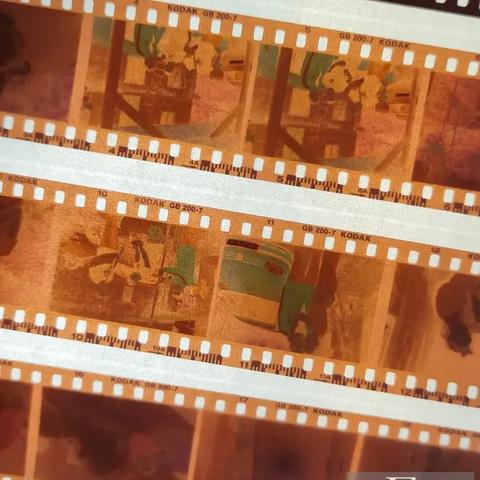
Rollei RPX 100 is a black and white negative film in 120 format, ISO 100/21°, standard black and white processing. It is a general-purpose film for bright light: fine grain, a long tonal scale and predictable behaviour, without a particular character you have to work around.
How the picture looks
RPX 100 is built on a classic cubic grain structure rather than a modern T-grain. On medium format that gives a recognisable rendering: the grain is there, fine and even, holding the sense of film without eating into detail.
The film is praised above all for its mid-tones and shadows: the tonal transition is long, shadows keep their drawing, highlights do not blow abruptly. In even daylight it yields a wide grey scale that is comfortable to work with in the darkroom and on the scanner alike.
What to shoot on it
Landscape, architecture, daylight portraiture, tripod work — anything with enough light where clean detail matters. 120 format plus ISO 100 is the combination most medium-format work starts from.
For movement and interiors take RPX 400 instead: a hundred-speed film wide open indoors runs out into long exposures fast.
Exposure
RPX 100 holds overexposure well and underexposure noticeably less well, like most classic emulsions. Many photographers rate it at EI 80 to guarantee dense shadows — the same trick as with FP4+.
A sunny day at ISO 100 starts around 1/125 at f/11. Under cloud, open up two or three stops or move to a tripod.
Processing
It develops in every common developer, with times in Rollei's datasheet. In stock D-76 that is about 8:30 at 20 °C, giving good contrast and clean sharpness. In Rodinal the grain becomes more pronounced and sharpness is emphasised, with slightly harder tonality.
It pushes, but without enthusiasm: to EI 200 the difference is small, beyond that contrast climbs noticeably. RPX 100 is a film for normal development rather than for pulling speed out of.
How it compares
Its direct rival is Ilford FP4+: very close in speed and character, with FP4+ somewhat more consistent and better documented, and RPX 100 usually cheaper. ADOX Silvermax gives a different, distinctly more silvery tone. Fomapan 100 is the cheapest of the three, with less latitude.
If you want a first black and white film for medium format that asks nothing special of you, this is it.