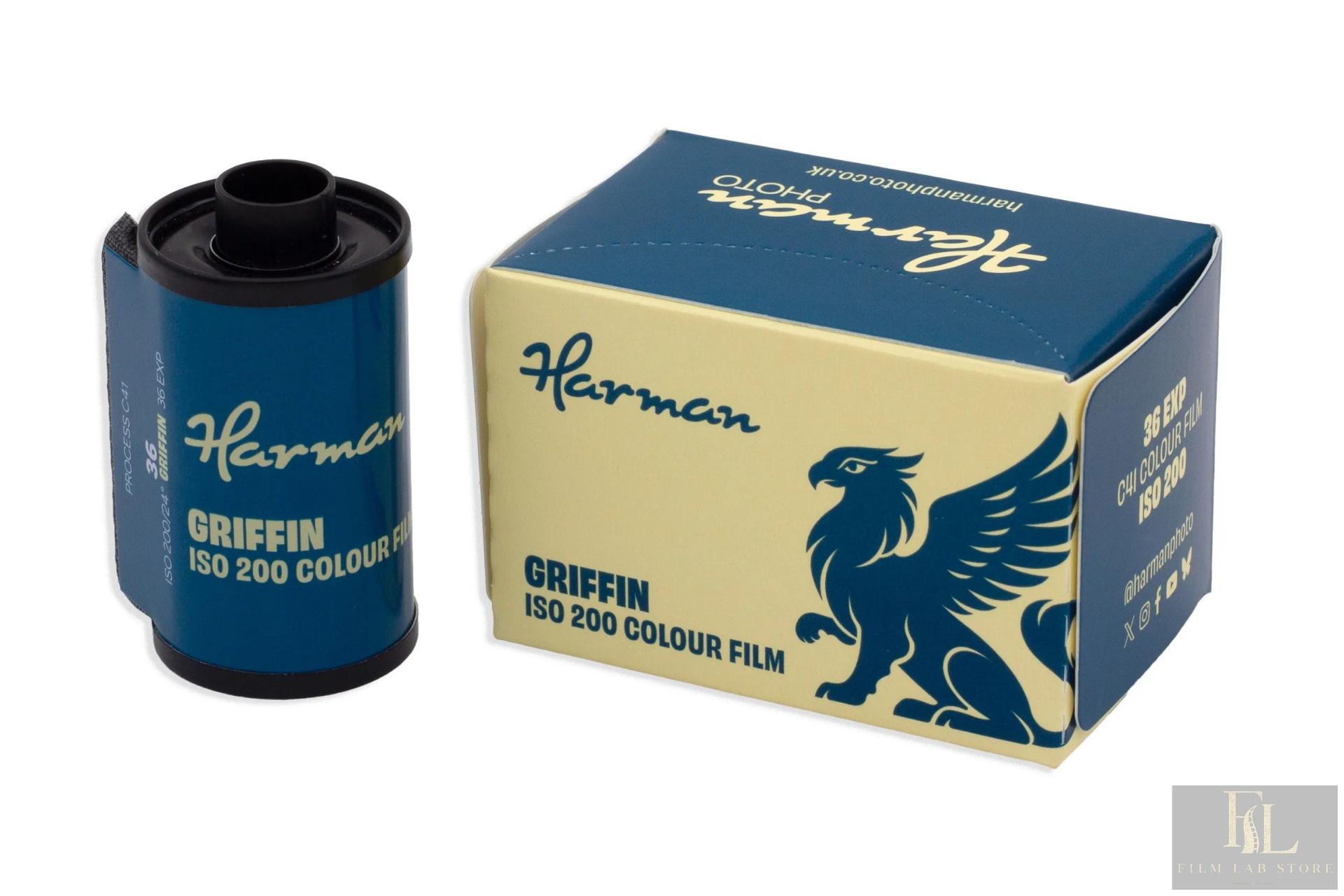
In three years, Harman Photo — the British factory behind ILFORD and Kentmere films — has gone from its first experimental colour film to one you can simply load and go out shooting with.
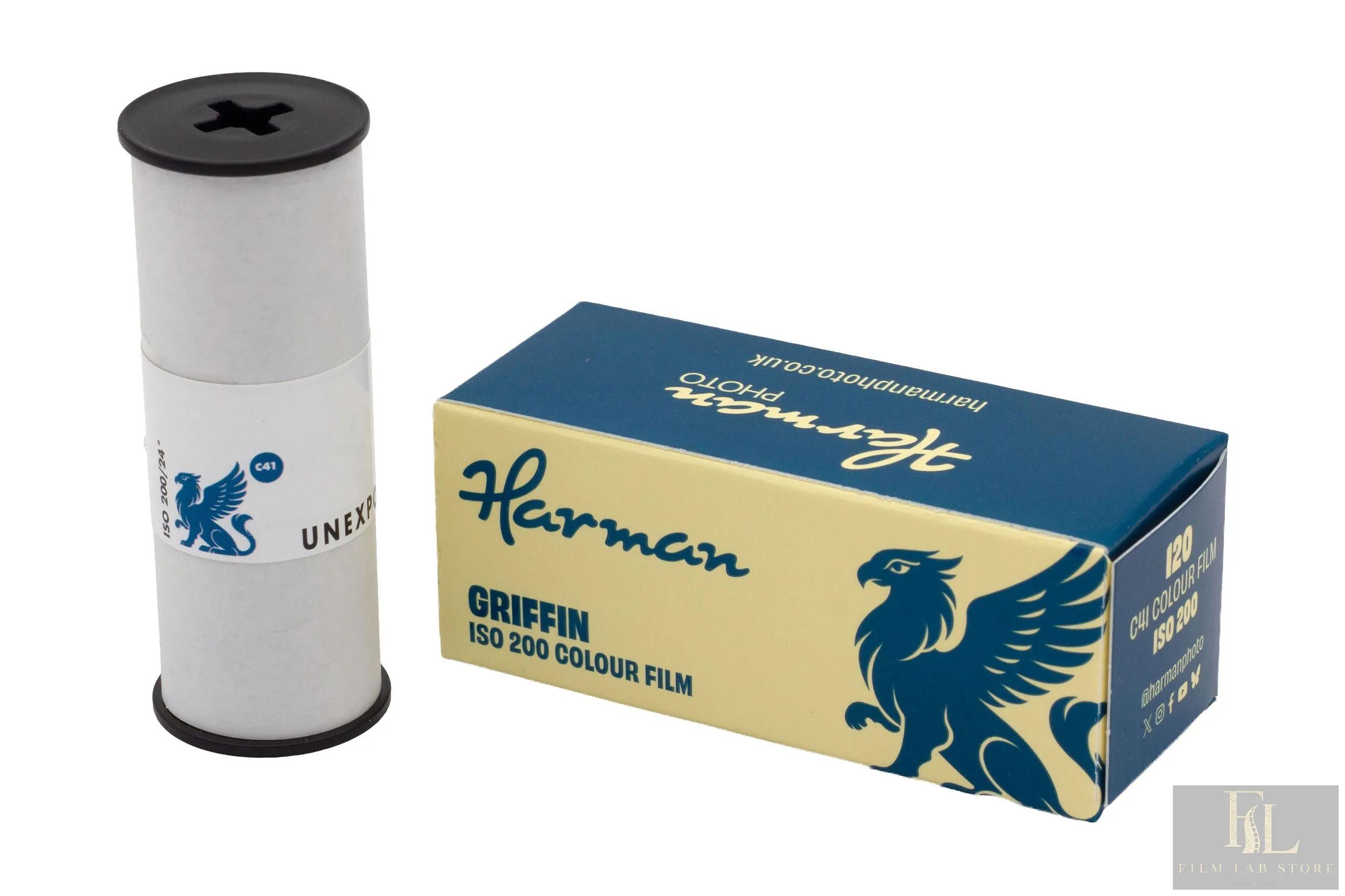
Harman Griffin 200 is a new colour negative film designed from the ground up: improved colour and contrast, exposure anywhere from ISO 200 to 400 and much less halation. It comes in 35mm 36 exp and 120 and is processed in standard C-41. I already have it in stock — no pre-order, no waiting.
At a glance
Spec | Harman Griffin 200 |
|---|---|
Type | Colour negative film |
Formats | 35mm (36 exp) and 120 (12 exp) |
Speed | ISO 200, can be shot at ISO 200–400 |
DX code | ISO 200 (35mm cassette) |
Processing | Standard C-41 |
What's new | Better colour and contrast, wider latitude, enhanced UV protection, significantly reduced halation |
Where Griffin comes from: three years of Harman colour experiments
Harman cannot put the ILFORD name on colour film — a restriction left over from the break-up of the old company in the mid-2000s. So its colour films carry the Harman Photo brand, and each one has been a separate step.
Phoenix 200 (December 2023). The first colour film Harman designed and made entirely at its Mobberley factory, from emulsion to cassette. Harman itself called it quirky and experimental: high contrast, visible grain, punchy colour and strong halation around light sources.
Red 125 (2025). A redscale film based on Phoenix that deliberately shifts the frame towards red and orange.
Phoenix II (July 2025). Redesigned layers and new dyes: more neutral contrast and colour, finer grain, easier scanning. It was still a limited edition, though, and halation still showed up in contrasty light.
Switch Azure 125 (March 2026). An experiment with swapped colour layers: blues turn orange and yellows turn azure. I wrote about it separately: “One negative, different colours”.
Phoenix 125 (August 2026). The original Phoenix brought back and re-rated to ISO 125 after photographers' feedback.
Each time, Harman said the sales would fund research into the next colour films. Griffin is the first one it describes not as an experiment but as a versatile everyday film.
What changed compared with Phoenix
According to Harman, Griffin has been redesigned from the ground up. The main promises:
Significantly reduced halation. Halation was the thing Phoenix reviews mentioned most: Hamish Gill (35mmc) wrote about “fairly serious halos around points of light”, and James Tocchio (Casual Photophile) about red halos like CineStill's. Some liked it; for everyday shooting it got in the way.
Better colour and contrast. Phoenix was deliberately contrasty and punchy; Griffin is meant to give a more even image while keeping the analogue character.
Wider exposure latitude. Phoenix wanted plenty of light; Griffin is designed for light that changes through the day.
Enhanced UV protection.
The first batch is already here. I'll shoot a few rolls myself and add my own examples to this article.
Sample shots on Griffin 200
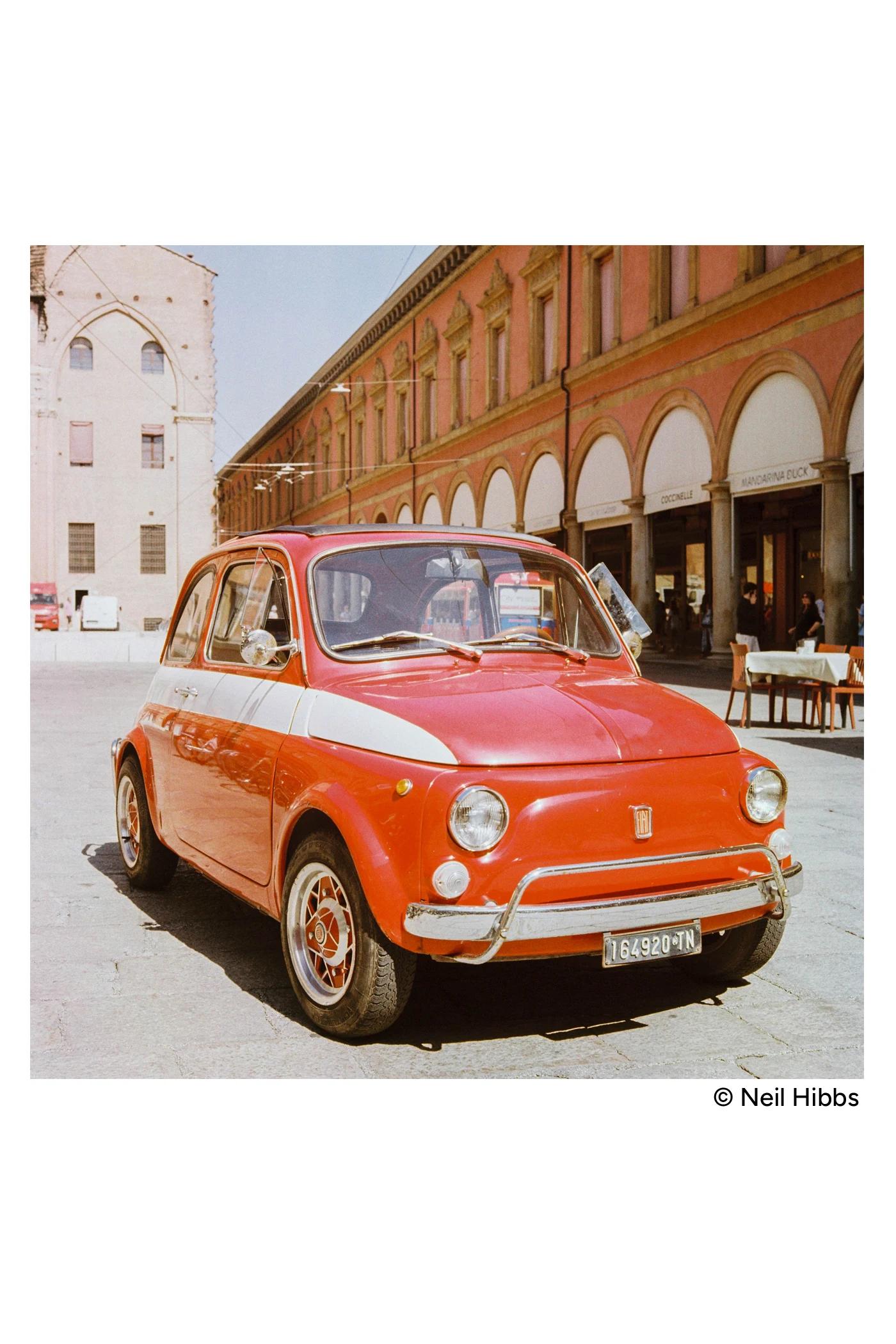
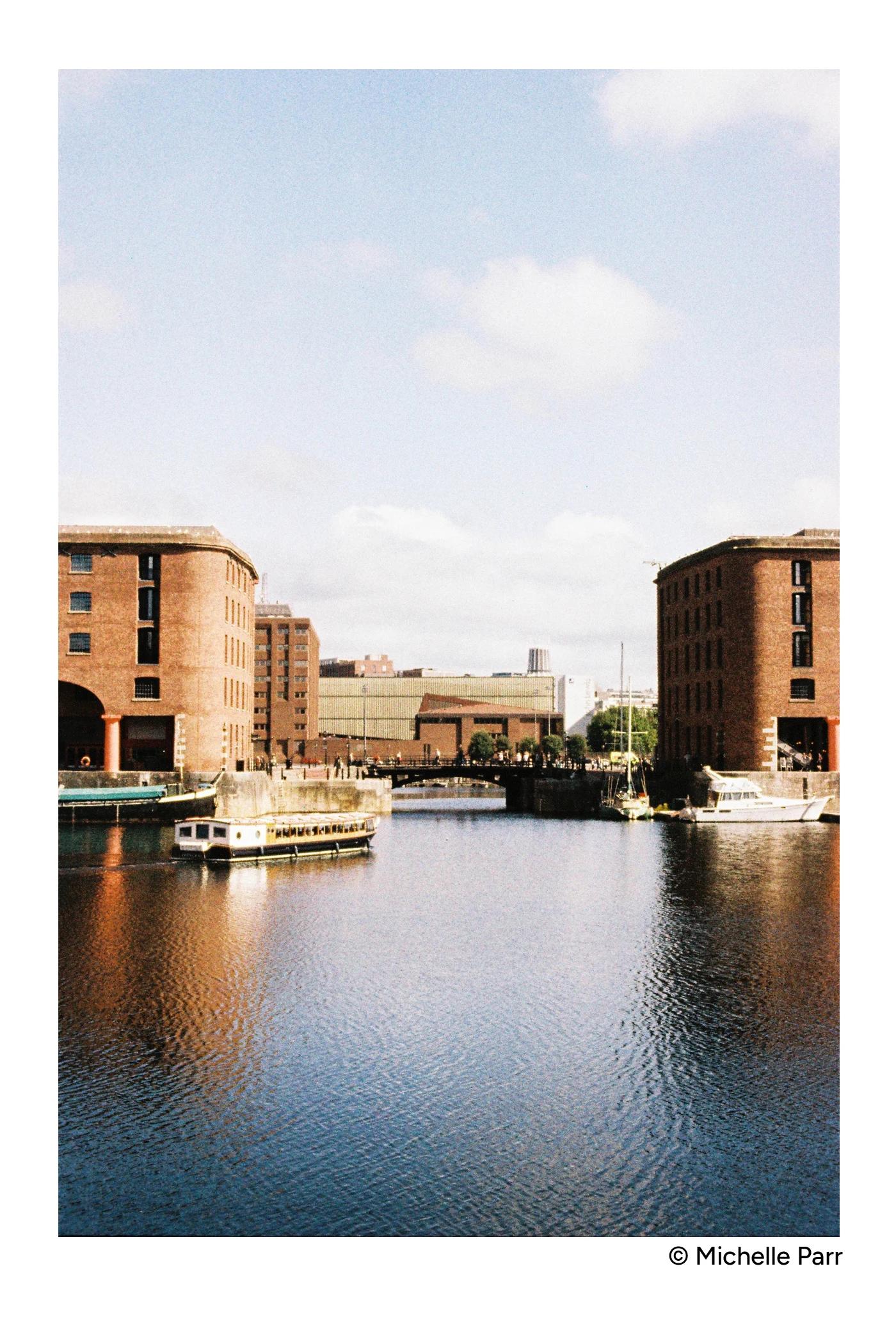
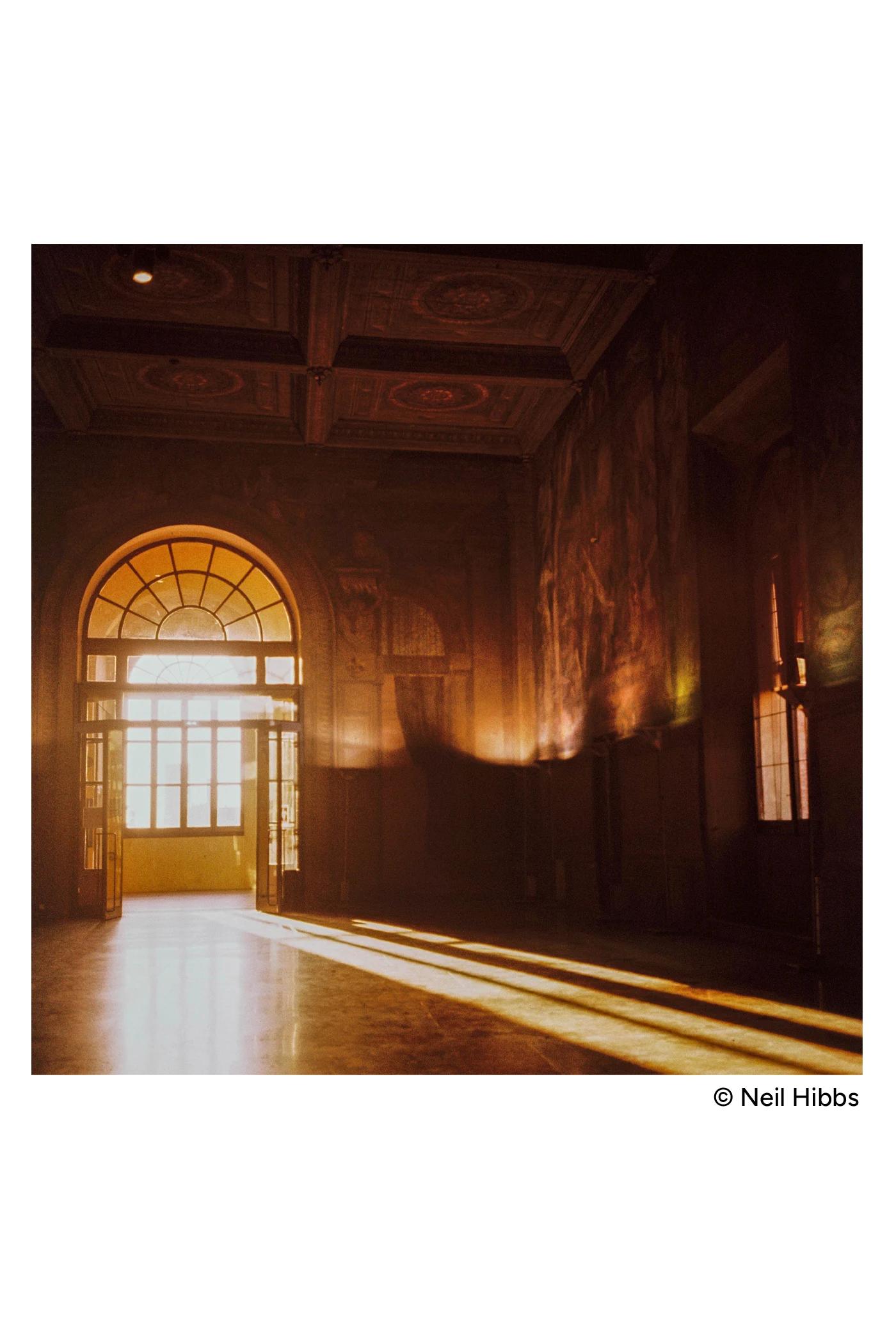
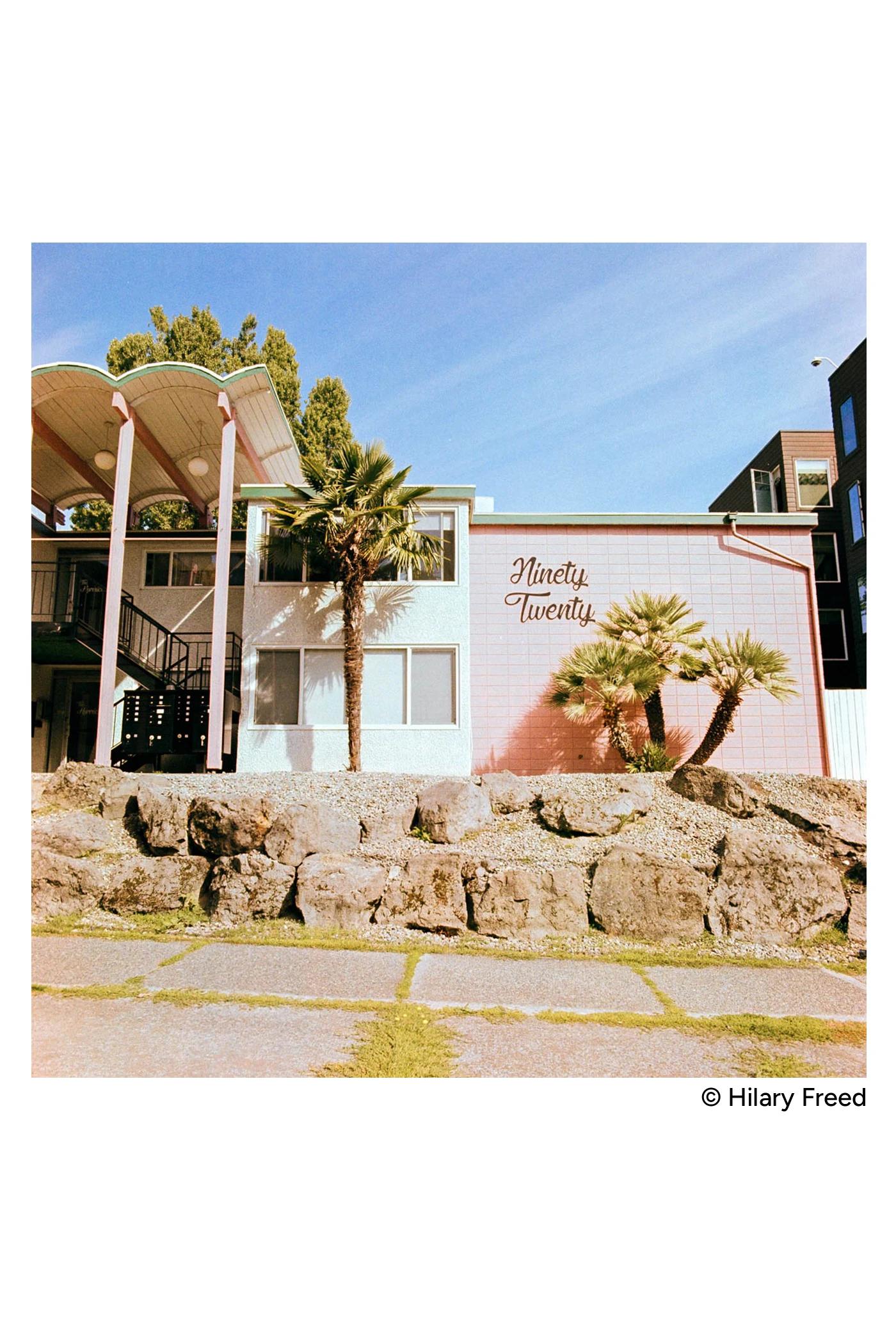
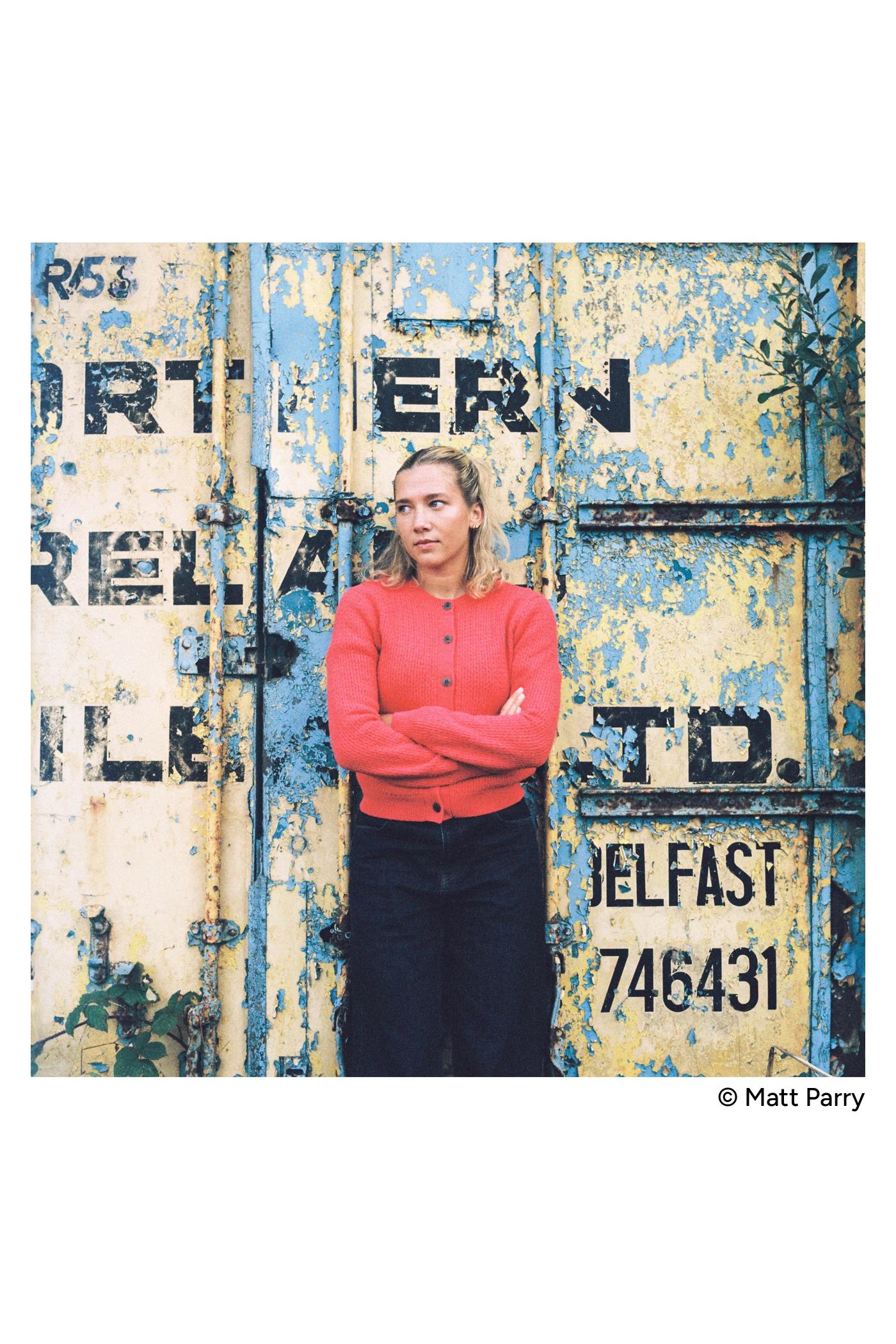
The first frames on Griffin were shot by photographers Harman works with, on 35mm and medium format. These are the manufacturer's scans, so the colour partly reflects their scanning; the stock is already here, so I'll add my own test rolls as soon as they're developed.

How to shoot it: ISO 200 or 400
Griffin can be exposed at ISO 200 or ISO 400 and processed normally, with no push. One roll for sun, shade and evening.
The 35mm cassette is DX-coded at ISO 200, so a camera that reads DX will set 200. To shoot at 400, set the speed manually; on a point-and-shoot without manual control, just shoot it at 200. If you shot at 400, mark the cassette — the lab will want to know.
Processing and scanning
Griffin is processed in standard C-41, so any colour lab can handle it. As with any colour negative film, the final look depends on the scanner: the same roll can come out slightly differently on different scanners. Start with a neutral scan and adjust the colour from there.
You can send me your exposed rolls for development and scanning.
Griffin, Phoenix or Kodak Gold?
Griffin 200 — if you want a British colour film without experimental surprises, with exposure headroom.
Phoenix II 200 and Phoenix 125 — if contrast, grain and halation are exactly what you like.
Kodak Gold 200 or Fujifilm 200 — proven ISO 200 classics with a warm, predictable look.
The fairest comparison is to load two cameras and shoot the same day on both films.
Where to buy
Current price and availability are on the Harman Griffin 200 35mm 36 exp and Harman Griffin 200 120 pages. The rest of the Harman range is in the film catalogue.
FAQ
Is Griffin a new version of Phoenix?
No. According to Harman, it is a separate film designed from scratch. Phoenix II and Phoenix 125 remain on sale.
What ISO should I shoot Griffin at?
Anywhere from 200 to 400 with no change in processing. Box speed and DX code are ISO 200.
Will it halate like Phoenix?
Harman promises significantly reduced halation. How much less, I'll check on my own test rolls and add here.
How is Griffin processed?
In standard C-41, like any colour negative film.
Which formats are available?
35mm with 36 exposures and 120 with 12 exposures.