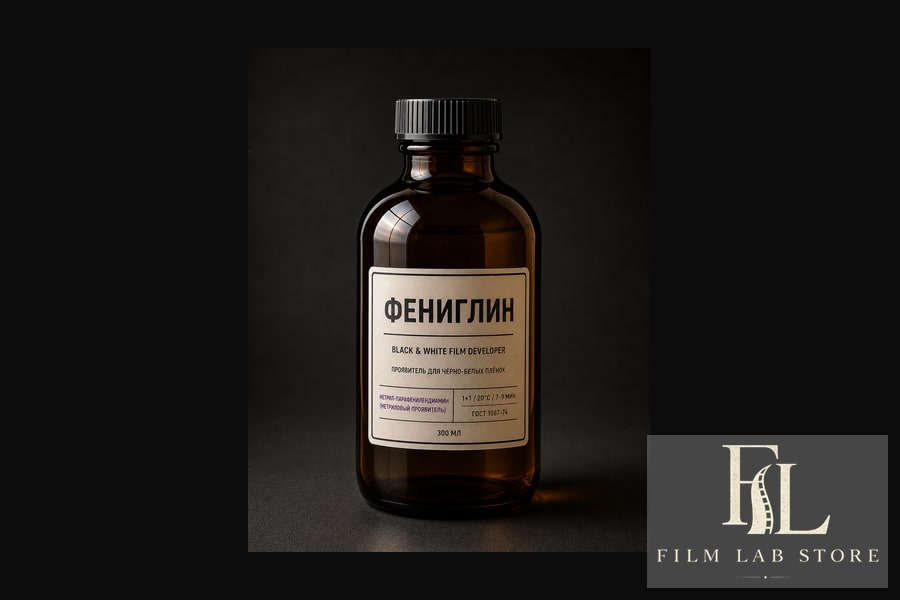
Pheniglin
A phenidone-glycine push developer that increases the film's effective sensitivity up to 4 times with virtually no fog.
About the Developer
Pheniglin is a phenidone-glycine developer developed by Ilford as far back as 1955, although it is known by this name primarily on Russian-language websites. Glycine, unlike hydroquinone, for example, works very cleanly and gently, without a fog, rendering shades and halftones well and effectively bringing out the sensitivity of photographic materials; for optimal results, it is used in combination with phenidone. It is one of the best developers for achieving maximum softness—it yields the highest effective light sensitivity of the film with minimal increase in contrast.
Character
Phenidone-glycine equalizing developer, fine-grain, which increases the effective light sensitivity of photographic material—up to 4 times, depending on processing time. Glycine acts very cleanly and gently, without fogging, and renders midtones well; for optimal results, it is used in combination with phenidone.
Best films
The source does not provide specific data on particular films; according to the description, it is designed for any black-and-white film at maximum push processing, where the most important factors are minimal fogging and minimal loss of contrast.
How to Prepare and Use
- 1Develop fresh film for 7–8 minutes at 20°C without agitation (the standard development time indicated on the film package).
- 2For the PUSH process, increase the time almost in proportion to the desired increase in sensitivity: ×2 — 12–14 minutes, ×4 — 20–24 minutes.
- 3When processing several rolls of film in a row, increase the development time for each subsequent roll by about 20%.
Pros
- One of the best developers for maximum fogging (up to ×4)
- Glycine produces a clean rendering of midtones without any fogging
- Up to 5 rolls of 35 mm film per liter of solution under normal conditions
Cons
- In the case of a strong push, it is used only once
- Requires the three packets to be dissolved in the exact order
- The source does not provide dilution data for the gentle/mild mode.
Recipe for 1 liter
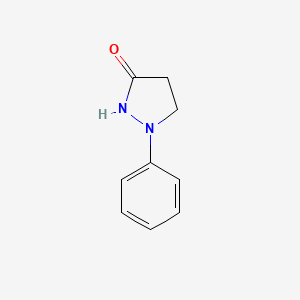
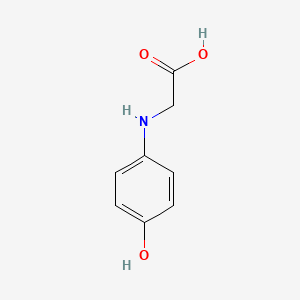
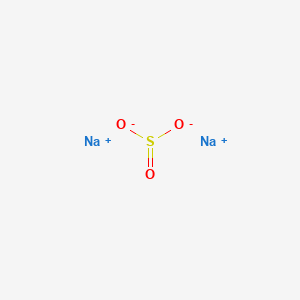
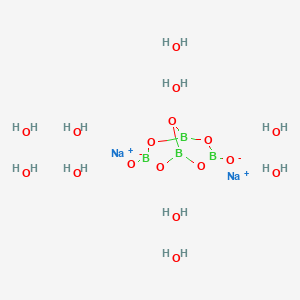
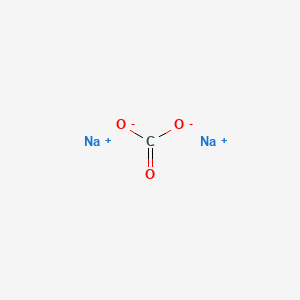
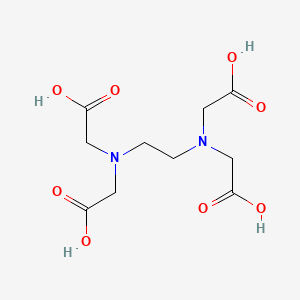
Chemical structures: PubChem (public domain)
Mixing it at home
A phenidone–glycin developer supplied in three packets. The phenidone is dissolved separately in hot water.
- 1The developer comes in three packages: small (phenidone), medium (Glycine-Photo), and large (other ingredients).
- 2Dissolve the fenidone from the small packet in hot water.
- 3Dissolve the contents of the remaining packets in distilled water according to the enclosed instructions, bringing the volume to 1 liter.
Key points
- A levelling, fine-grain developer: it raises effective speed depending on development time and is suitable for push processing.