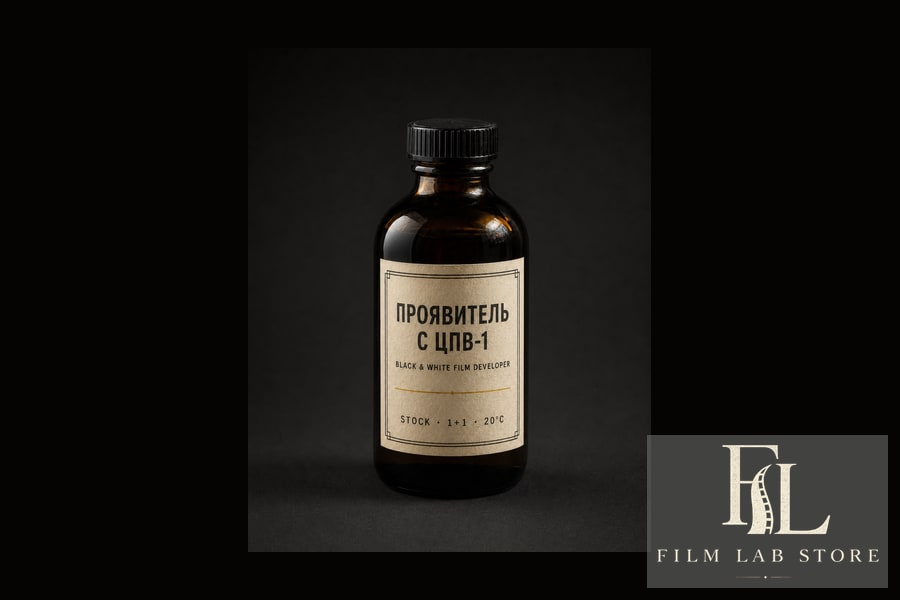
Developer with CPV-1
An exotic ultra-fine-grain formula using the color developer CPV-1 and glycine—resulting in an extremely fine grain with almost no loss of sensitivity.
Safety
CPV-1—according to the source’s description, this is indeed a toxic colored developer: wear gloves, avoid skin contact, and do not inhale the reagent’s dust. If it comes into contact with the skin, immediately rinse with a weak acetic acid solution (a ready-made stop bath will work) and wash your hands thoroughly with soap. Store and dispose of it as a toxic photographic chemical, separate from household waste.
About the Developer
This formula produces an extremely fine grain and has a very strong smoothing effect—unlike most other ultra-fine-grain formulas, it hardly reduces the actual sensitivity of photographic materials. What makes it unique is that it uses CPV-1—a developer typically used in color photography. The combination of CPV-1 and glycine produces a truly fine grain, does not release colloidal silver, and does not reduce the film’s sensitivity. The negatives may appear underdeveloped—the densities, especially the maximum ones, are low—but all details are preserved in the shadows, and the prints have excellent “vividness” with almost no need to increase contrast during printing. The formula was published in the magazine *Sovetskoe Foto* No. 12/1988 (p. 44), originally without baking soda; soda was added later, since modern sodium sulfite, unlike Soviet “photo-grade” sulfite, contains virtually no alkaline impurities, which the developer needs to function properly.
Character
An ultra-fine-grain, highly smoothing developer based on the color developing agent TsPV-1—which is not typically used for black-and-white photography—combined with glycine. Unlike most ultra-fine-grain formulations, it causes almost no reduction in the film’s actual sensitivity; it produces very clean shadows, minimal fogging, and a characteristic, slightly brownish cast in the image due to the high fineness of the silver particles.
Best films
High-contrast scenes in direct sunlight, with the exposure meter set to midtones or shadows—the source notes that these are precisely the conditions that best showcase the developer’s capabilities; the negatives look unusual under these conditions—they appear underdeveloped—but they print with rich, vivid colors.
Pros
- Truly extremely fine grain with high uniformity
- It retains almost all of the film's actual sensitivity, unlike most ultra-fine-grain formulas
- Very clean shades and minimal fog
Cons
- CPV-1 is toxic and hard to come by—the chemical is virtually impossible to find on the market
- The negatives look unusually thin; it's hard to tell if they're ready without a test print
- Requires continuous agitation and a 1.5-fold increase in the development time
Recipe for 1 liter
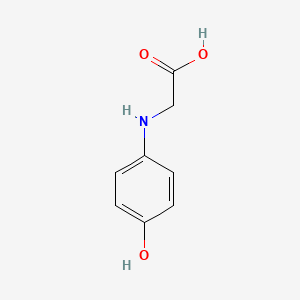
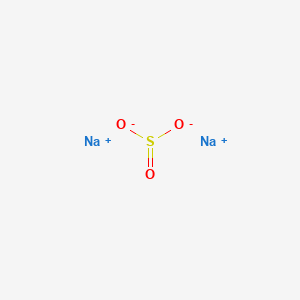
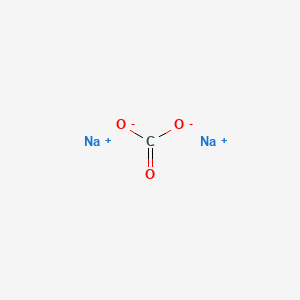
Chemical structures: PubChem (public domain)
Mixing it at home
An exotic recipe built on the colour developing agent CPV-1 and glycin: ultra-fine grain with strong compensation and almost no loss of true speed.
- 1Dissolve the reagents in distilled water in the order listed, bringing the volume of the final solution to 1 L.
Key points
- Process the film in this developer for 1.5 times longer than the standard processing time for this type of film.
- Use continuous (non-stop) agitation throughout the entire incubation period.
- Handle CPV-1 with the utmost care—the reagent is toxic, so avoid skin contact and wash your hands thoroughly after use.