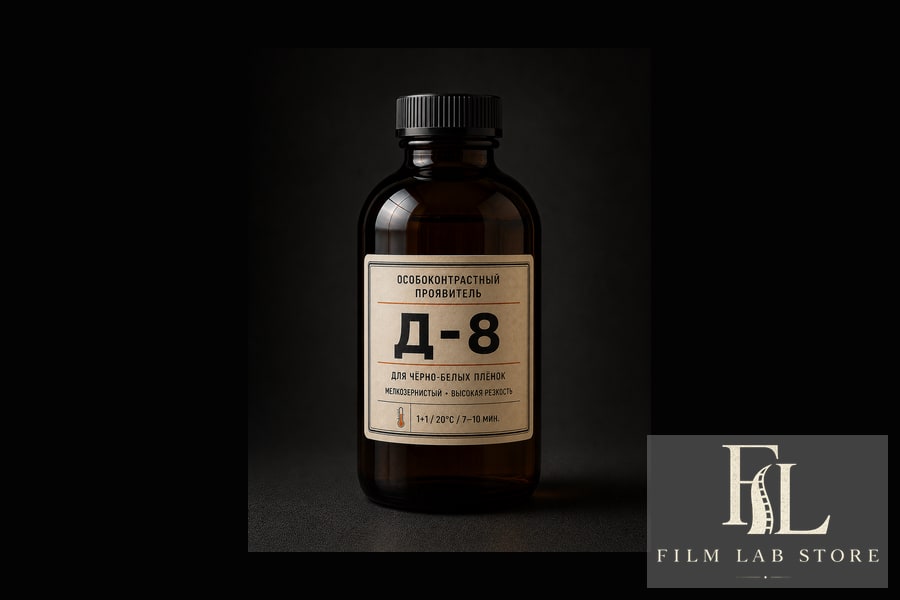
D-8 High-Contrast Developer
A special alkaline developer for maximum contrast—2 minutes, and no halftones, just black and white.
About this developer
D-8 developer is used when maximum image contrast is required—typically in specialized technical applications, such as when reproducing printed materials and documents. Processing takes just 2 minutes at a working temperature of 20°C, and extreme care is essential here: leaving the film in the solution for too long can damage it. Up to 5 rolls of film can be processed in 1 liter of freshly prepared solution.
Character
A high-contrast alkaline hydroquinone developer. It produces an extremely sharp, high-contrast result with no midtones—this is a technical rather than an artistic application: for example, reproducing technical drawings and printed materials.
How to Prepare and Use
- 1Develop the film for 2 minutes at 20°C—keep a close eye on the time; overdeveloping will ruin the negative.
Pros
- Maximum contrast without halftones—indispensable when scanning drawings and printed materials
- Very short processing time — fast cycle
- A simple formula using readily available reagents
Cons
- Not suitable for artistic photography—it "burns out" the midtones
- Only 2 minutes of processing—it's easy to overdevelop and ruin the film
- Contains caustic soda—wear gloves and safety goggles when handling
- Store for no longer than a week
Recipe for 1 liter
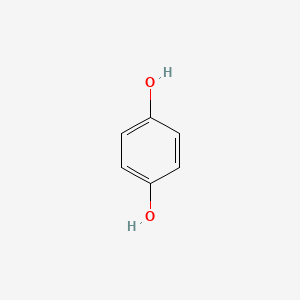
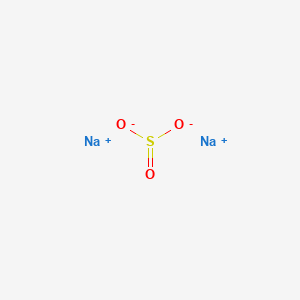
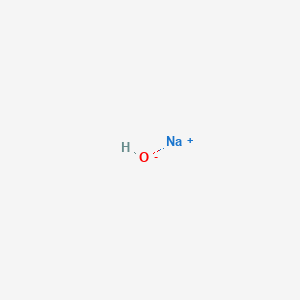
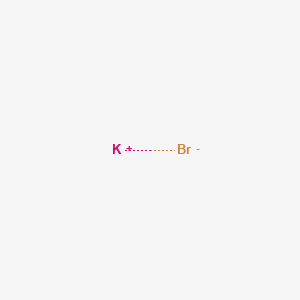
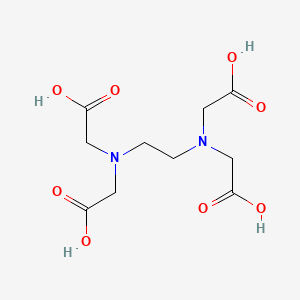
Chemical structures: PubChem (public domain)
Mixing it at home
A very high-contrast alkaline hydroquinone developer. The sodium hydroxide is dissolved separately and added at the very end.
- 1Dissolve caustic soda (25 g) in 200–250 mL of distilled water at room temperature in a separate small container, stirring constantly—otherwise it will clump together into a hard-to-dissolve lump.
- 2In a 1-liter container, dissolve the contents of the “large package” in 300–350 mL of distilled water at 45–50°C: Trilon B, sodium sulfite, and potassium bromide, thoroughly crushing and dissolving any lumps.
- 3In a separate container, dissolve the hydroquinone (the second packet) in a separate container containing 250–300 ml of water at 45–50°C, after first adding 50–70 ml of the solution from the previous step—stir thoroughly until all crystals are completely dissolved.
- 4Immediately combine the two solutions and let them cool to 20°C.
- 5Slowly, while stirring continuously, add the caustic soda solution, then add distilled water until the level reaches the 1-liter mark.
- 6Let the solution settle for 2–3 hours, then filter it through cotton wool to remove the insoluble impurities of menthol and hydroquinone.
Key points
- Warning: This solution contains a caustic alkali—wear gloves and safety goggles; alkalis are more dangerous to the eyes than acids.