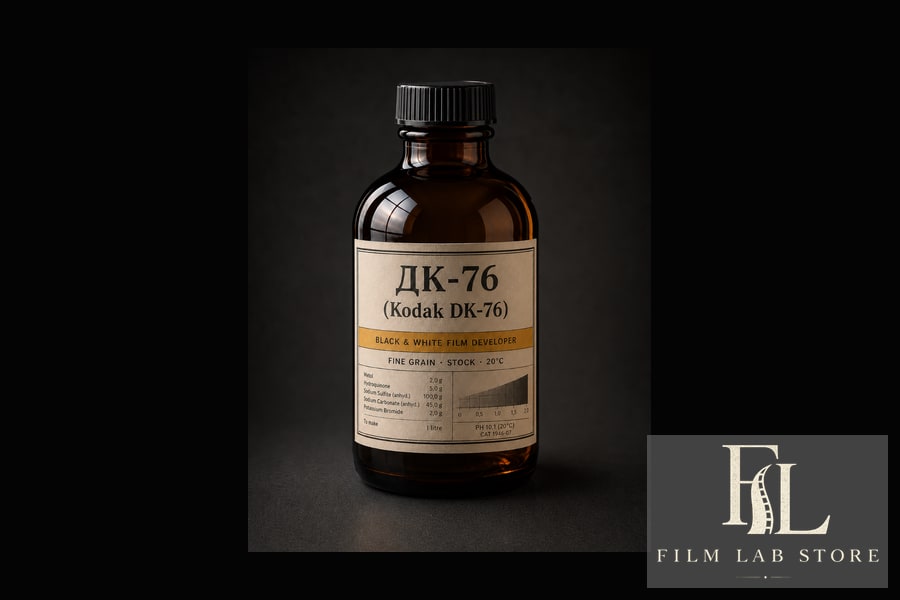
DK-76 (Kodak DK-76)
The buffered metol–hydroquinone analog of D-76 buffered with Kodalk or borax—it has the same gentle, even-toned character and is a domestically developed formula.
About the Developer
DK-76 is a version of the legendary D-76 developer that uses a buffering agent (in the original formula, this is Kodalk, anhydrous sodium metaborate; in home use, it is often replaced with the more readily available borax—sodium tetraborate tetrahydrate). It brings out shadow details beautifully, slightly increases the light sensitivity of photographic materials, and reduces the contrast of the negative. It is used as-is or diluted in a ratio ranging from 1+1 to 1+4.
Character
A Russian-made buffered equivalent of D-76 (the D-76b version with a borate buffer). A versatile, fine-grain developer that renders shadow details well, slightly increases light sensitivity, and reduces negative contrast.
Best films
The source does not provide specific data on particular films; as an alternative to D-76, it is suitable for the same general-purpose films with medium contrast and ISO 100–400 sensitivity.
Pros
- A soft, blending application of eyeshadow, like the D-76
- The buffer solution stabilizes the pH and ensures consistent results from batch to batch
- Can be used as is or diluted at a ratio of 1:1…1:4
Cons
- The source does not provide specific development times for the films—you'll need to determine them yourself
- Preparing the two separate solutions requires care and a precise sequence of steps
- Kodalk isn't always easy to find—it's usually replaced with borax
Recipe for 1 liter
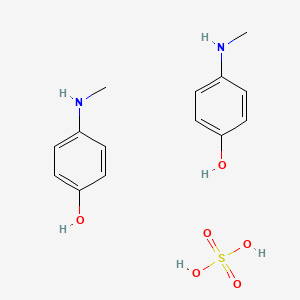
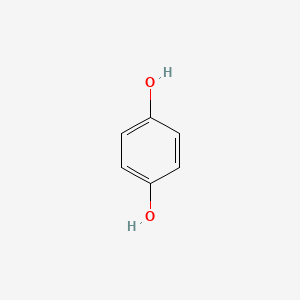
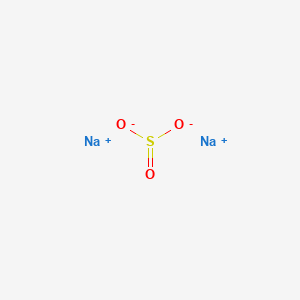
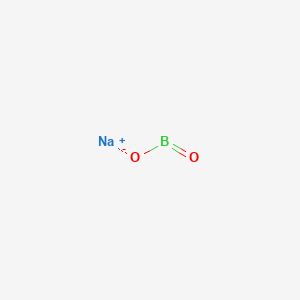
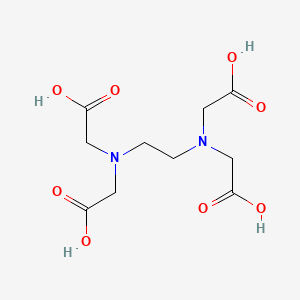
Chemical structures: PubChem (public domain)
Mixing it at home
A buffered take on D-76 (the D-76b version on a borate buffer — Kodalk instead of borax): more stable in storage and replenishment.
- 1Take a 1-liter container and pour in 500–600 ml of distilled water heated to 45–50°C.
- 2Dissolve the contents of the first (large) bag in it: Trilon B, sodium sulfite, and Kodalk (or borax)—carefully crushing any lumps until they are completely dissolved.
- 3In a separate container, dissolve the contents of the second (small) packet—metol and hydroquinone—in 200–250 mL of distilled water at 45–50°C, after first adding 50–70 mL of the solution from the first container to it.
- 4Immediately after the second packet has completely dissolved, combine the two solutions.
- 5Let the solution cool to 20°C, then add distilled water until the volume reaches 1 liter.
- 6Let the freshly prepared solution stand for 2–3 hours, then filter it through cotton wool to remove the insoluble impurities of menthol and hydroquinone.
Key points
- Instead of anhydrous sodium metaborate (Kodalk), you can use the more readily available borax—sodium tetraborate tetrahydrate—but you’ll need 2.1 times as much by mass: 4.19 g instead of 2 g. Dissolution procedure: first, dissolve Trilon B + sodium sulfite + Kodalk/borax in hot water; separately, dissolve metol + hydroquinone in another portion of hot water; then combine the solutions.
- Use it straight or dilute it in a ratio of 1+1 to 1+4.