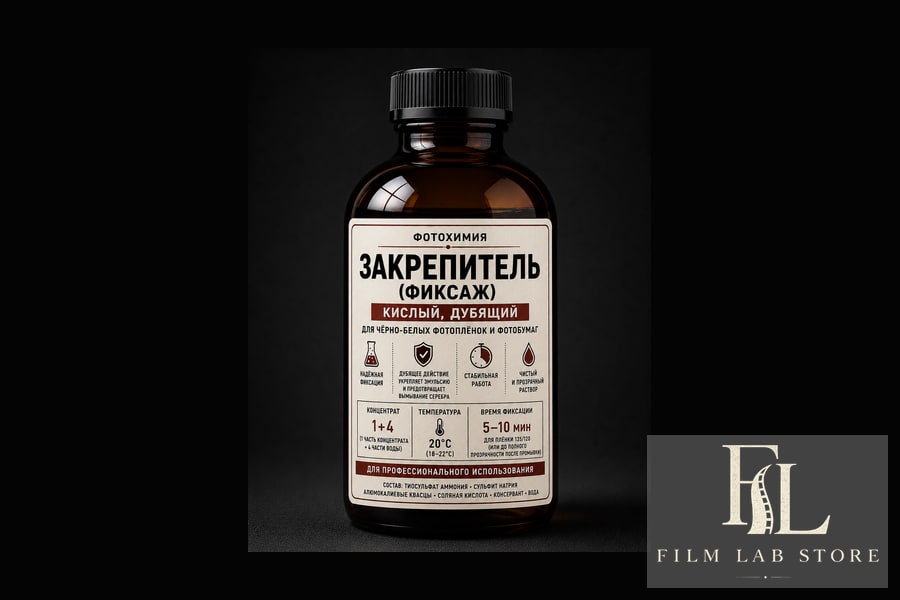
An acid hardening fixer
A fast-setting, tanning fixer that strengthens the emulsion for use in hot weather or with old materials.
About Fixage
This acidic tanning fixer strengthens the gelatin layer, preventing it from softening excessively in high ambient temperatures. It is a universal fixer—suitable for processing photographic film, photographic plates, and photographic paper. It works 1.5–2 times faster than conventional fixers, so the fixing time should be reduced accordingly. The formulation is designed to achieve approximately the same fixing rate for different types of emulsions (chlorobromoiodosilver); it also makes it easier to achieve thorough rinsing after fixing. It is recommended for use at high ambient temperatures or with older photographic materials, whose emulsions may be damaged by acidic fixers due to expired shelf life.
Character
A tart, astringent type. It works 1.5–2 times faster than regular setting agents—it strengthens the gelatin layer, protecting it from softening at elevated temperatures.
How to Prepare and Use
- 1Fix for 5–7 minutes at 20 °C—the time is reduced by a factor of 1.5–2 compared to standard fixation.
- 2If using a diluted solution, increase the fixing time by a factor of 1.5; if you detect an ammonia odor, the solution is no longer usable.
Recipe for 1 liter (Package No. 1 + Package No. 2)
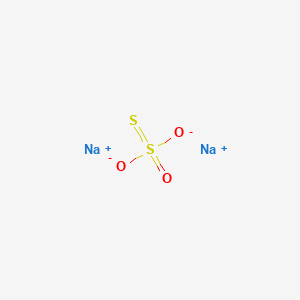
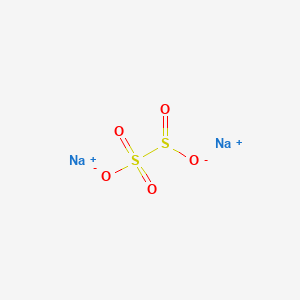
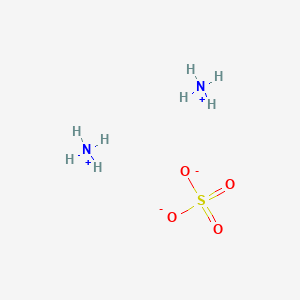
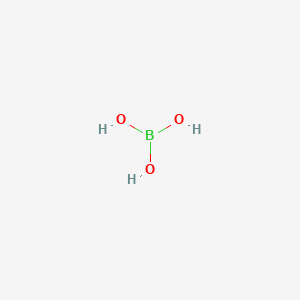
Chemical structures: PubChem (public domain)
Mixing it at home
An acid hardening fixer; the thiosulfate is poured into the acid solution in a thin stream while stirring.
- 1Pour about 0.5 L of distilled water, heated to 50–60 °C, into a 1-liter container, and dissolve packet No. 2 (sodium thiosulfate) in it, stirring with a glass or plastic stick.
- 2Separately, dissolve Packet No. 1 (the remaining substances) in 250–400 mL of distilled water at a temperature of about 30 °C, stirring thoroughly to break up any lumps until completely dissolved.
- 3When the thiosulfate solution (Package No. 2) has cooled to below 35 °C, pour the solution from Package No. 1 into it in a thin stream while stirring continuously.
- 4Rinse the container that held Solution No. 1 with 50–100 mL of distilled water, and add the rinse water to the total solution.
- 5When the solution has cooled to 20 °C, add distilled water to bring the volume to 1 liter, let it settle, and filter if necessary.
Key points
- It hardens the gelatin and works 1.5–2× faster than a plain fixer — handy in hot weather and with old materials.