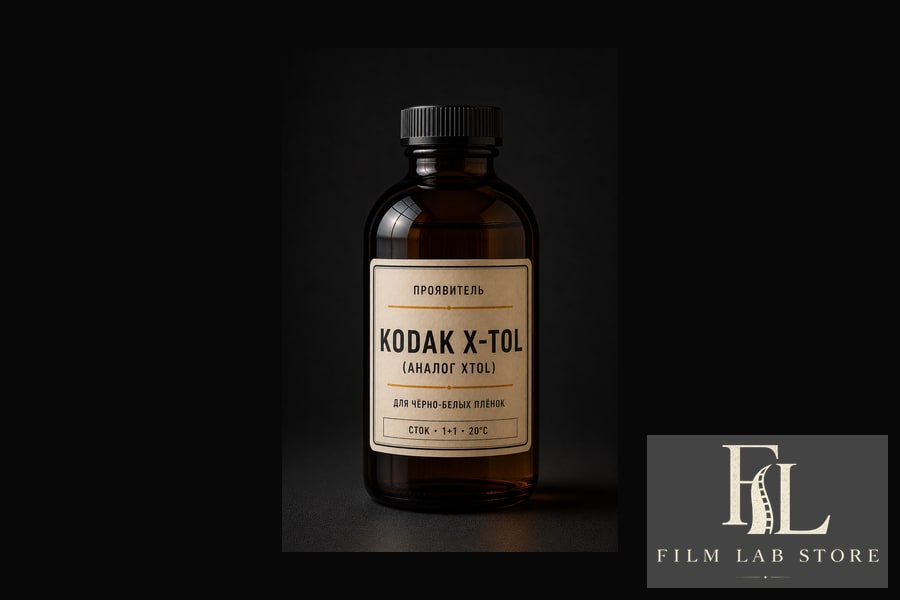
X-TOL Developer
A homemade version of the legendary Kodak XTOL—fine grain, full sensitivity, and gentle shadow rendering.
About this developer
XTOL is a favorite film developer among many photographers, marketed by Kodak since 1996. It uses a somewhat unusual combination of Phenidone B (Dimezone) and ascorbic acid as its developing agents—without hydroquinone. The developer effectively brings out the film’s light sensitivity, renders detail in the shadows, produces fine grain, and has excellent stability. The challenge of reproducing it at home lies in two “problematic” ingredients in the proprietary formula: sodium metaborate (Kodalk) and sodium isoascorbate, which are not interchangeable with the more readily available borax and ordinary ascorbic acid, even though their names sound similar. According to the formula’s manufacturer, a freshly prepared developer filled to the brim can be stored for up to 6 months, and 1 liter of developer can process up to 12–15 rolls of film. For normal development, the processing time should be slightly increased (by 10–20%) compared to standard developers such as D-76.
Character
A modern ascorbate-phenidone developer. It maintains sensitivity well, produces fine grain, offers high detail, and has a wide tonal range. One of the best all-purpose developers for scanning.
Best films
Kodak T-Max 100/400, Tri-X, Ilford Delta 100/400/3200, HP5+, FP4+, Kentmere 100/400, Fomapan 100/200/400. Moderate push.
How to Prepare and Use
- 1Prepare the working developer by mixing stock solutions A and B in a 1:1 ratio; It is permissible to further dilute the working solution with water in a ratio of 1:1, 1:2, or even 1:3, although the manufacturer of the formula does not guarantee normal results in the latter two cases.
- 2Develop for 10–20% longer than with standard developers such as D-76.
Development times for different films
| Film | Breeding | Time @ 20°C |
|---|---|---|
| Kodak Tri-X 400 | Stock (undiluted) | 6¾ min |
| Kodak T-Max 400 | Stock (undiluted) | 6½ min |
| Ilford HP5 Plus | Stock (undiluted) | 8½ min |
| Ilford FP4 Plus | Stock (undiluted) | 9 min |
Time — Kodak’s official starting values for its proprietary XTOL (stock solution, small tank, 20°C, Publication J-109, Table 1). This homemade recipe replicates the formula, but given differences in reagent purity, the author recommends increasing the processing time by 10–20% compared to developers such as D-76 during the first test run.
Pros
- Fine grain and high detail in shadows while fully maintaining sensitivity
- Economical—up to 12–15 sheets per liter
- Long shelf life—up to 6 months in the original container
- Flexible distribution (outlet, 1+1, 1+2, 1+3)
Cons
- Kodalk and sodium isoascorbate are in short supply; they cannot be substituted with borax or regular ascorbic acid without recalculation
- Accurately reproducing the proprietary formula is technically challenging
- If diluted beyond a 1+1 ratio, the manufacturer of the formula does not guarantee the results
Recipe for 1 liter (Packs A and B)
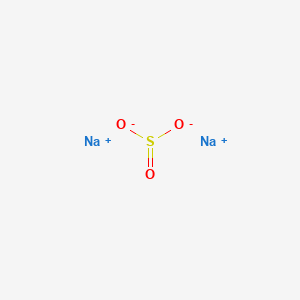
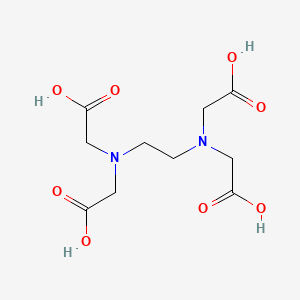
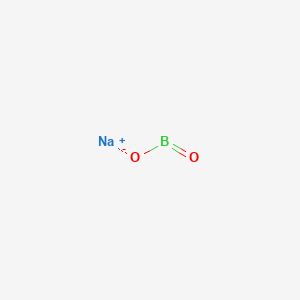
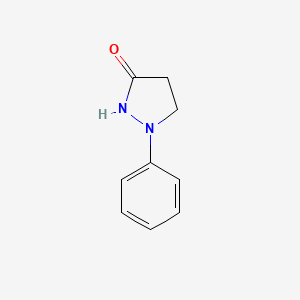
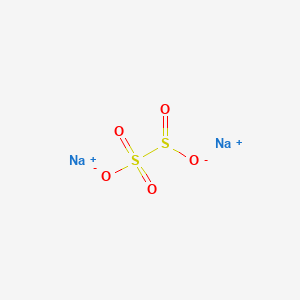
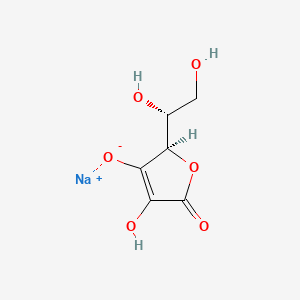
Chemical structures: PubChem (public domain)
Mixing it at home
An ascorbate–phenidone developer; you make two stock solutions, then mix them 1:1.
- 1Take about 750 mL of hot (≈50–55°C) water and dissolve the contents of Bag A in it one by one: anhydrous sodium sulfite (10 g), Trilon B (1 g), Kodalk (4 g), and Phenidone B / phenidone (0.2 g).
- 2After packet A has completely dissolved, add the contents of packet B in small portions: sodium sulfite (75 g), sodium metabisulfite (3.5 g), and sodium isoascorbate (12 g), ensuring that all substances are completely dissolved.
- 3Add distilled water to bring the total volume of the solution to 1 liter, and filter if necessary. After adding Packet A, the solution may be yellow or light brown—it should become colorless once all the substances have completely dissolved.
Key points
- If Kodalk is unavailable, you can use 2.1 g of sodium metaborate tetrahydrate or 1.59 g of potassium metaborate (1¼-hydrate) instead of 1 g of Kodalk—their properties are identical, but an accurate conversion based on molar mass is required; Phenidone B (Dimezone) can be replaced with an equal amount of phenidone.