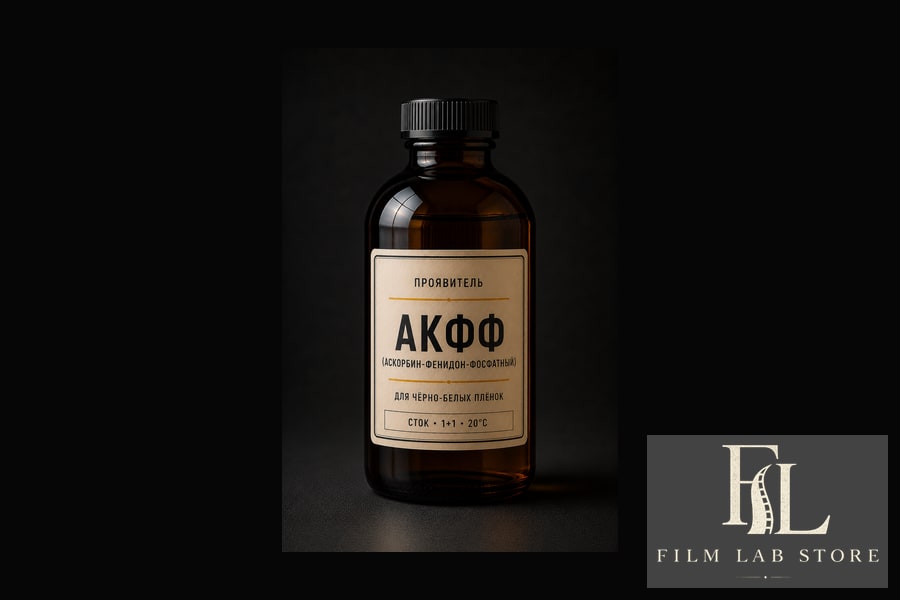
AKFF Developer (Ascorbic Acid-Phenidone-Phosphate)
The Kodalk-free XTOL clone based on phenidone and ascorbic acid is user-friendly, reliable, and recommended by the author for beginners.
About this developer
The AKFF developer was developed by Alexey Vladimirovich (Aleksiy) Agarev—a widely known and respected amateur photographer in Russia (www.d-76.ru). In all respects, it is very similar to Kodak’s well-known X-TOL developer: the developing agent is also phenidone combined with ascorbic acid, but without Kodalk, which is quite rare in the post-Soviet space and which, in the original formula, sets the required pH. Trisodium phosphate dodecahydrate is used instead of Kodalac. The developer has low fogging capacity, which allows it to be used even with severely expired film, produces very soft grain (good for portraits), and provides excellent detail in the shadows, making it suitable, like Microphen, for the PUSH process. The standard development time is 5–10 minutes for almost all film types; up to 7 rolls of film can be processed in 1 liter. The negatives most closely resemble those produced with Microphen at a 1:1 dilution, but the grain is finer and less “soapy.” Overall, the developer is characterized as very “user-friendly” and “reliable”; it is especially recommended for beginners, and it is also very safe to use and low in toxicity.
Character
Homemade Kodak X-TOL clone using phenidone and ascorbic acid (without Kodalk). Soft grain, detail in the shadows; suitable for push processing.
How to Prepare and Use
- 1Agitation for development times of less than 6 minutes: agitate continuously at a moderate pace for the first minute, then agitate for 5 seconds every 25 seconds (twice per minute for 5 seconds each time).
- 2Agitation for development times longer than 6 minutes: For the first half-minute, agitate continuously and fairly vigorously; up to and including 4 minutes, agitate for 5 seconds every 25 seconds; thereafter, until the end of development, agitate moderately for 5–7 seconds once per minute.
Development times for different films
| Film | ISO / Note | Time @ 20°C |
|---|---|---|
| Fomapan 100 | 100 units | 5.0 min |
| Fuji Neopan 100 Acros | 100 units | 8.0 min |
| Fuji Neopan 100 SS | 100 units | 6.0 min |
| Ilford Delta 400 Pro | 1,600 units (cannons) | 13 min |
The time specified by the recipe author applies to a fresh working solution at 20°C; the capacity is up to 7 films per liter, and the development time for subsequent films in the same batch gradually increases.
Pros
- Reagents available—no codalka or other hard-to-find salts
- Soft, fine, and not "soapy" grain; excellent rendering of shadows
- Low fog-forming ability—works even with films that are well past their expiration date
- The recipe's author specifically recommends it to beginners
Cons
- A partially used solution becomes cloudy and develops a sediment after a few days—the sediment must be drained off before use
- When using PUSH, it's best to use the solution only once
- The development time varies quite a bit depending on the film (4.5–13 min)—you need a guideline tailored specifically to your emulsion
Recipe for 1 liter
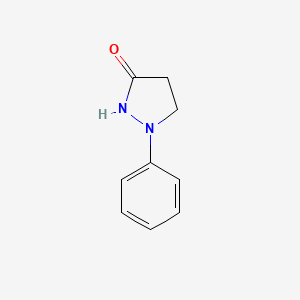
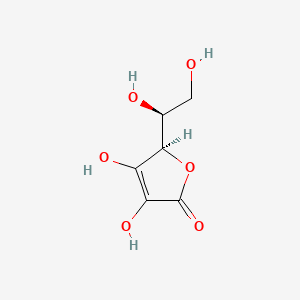
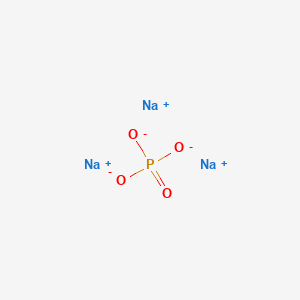
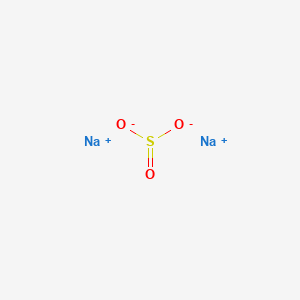
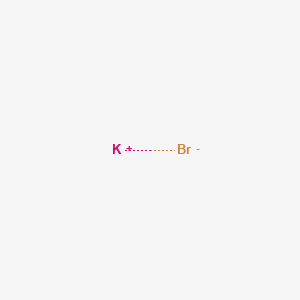
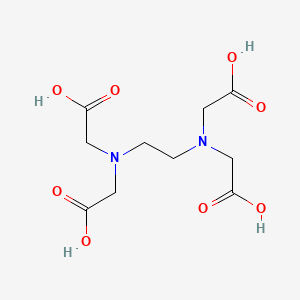
Chemical structures: PubChem (public domain)
Mixing it at home
A home clone of Kodak X-TOL without Kodalk; supplied in three packets, with the phenidone added between portions of ascorbic acid.
- 1The developer is supplied in three packets: A—phenidone, B—ascorbic acid, C—other reagents (trisodium phosphate, sodium sulfite, potassium bromide, Trilon B).
- 2In hot distilled water at 50–55°C, dissolve the contents of packet C while stirring constantly.
- 3Add about 1/10 of the contents of Packet B (ascorbic acid), then add Packet A (phenidone) and stir until it is completely dissolved. If the solution turns pink, add a little more (but not all!) ascorbic acid.
- 4Once the phenidone has completely dissolved, add the remaining ascorbic acid (Package B) and dissolve it completely. The final solution should be slightly cloudy and light lemon-colored.
- 5Add water to bring the total volume to 1 liter.
Key points
- A 0.5-liter batch of developer is guaranteed to process 3–5 rolls of film; the development time for each subsequent roll should be increased slightly (for example, for Fomapan 100: 1st roll—5.0 min, 2nd—5.5 min, 3rd—6.0 min, 4th–5th—6.5–7 min).