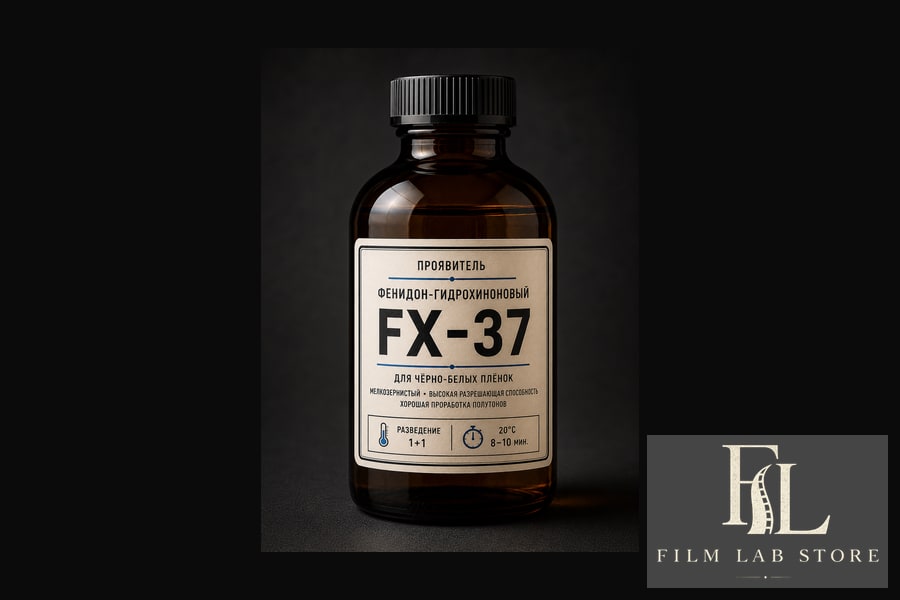
FX-37 Phenidone-Hydroquinone Developer
Jeffrey Crowley's Concentrated Acutance Developer, formulated specifically for T-Max and Delta.
About this developer
FX-37 Concentrated Developer is designed specifically for T-Max and Delta films, but it also produces excellent results with other films. This developer produces images with higher resolution and sharper detail edges than when using classic developers such as D-76, X-TOL, or CT-2. However, the grain on the negative will be noticeable, with sharp edges. The developer also allows you to increase the film’s sensitivity by 2/3 to 1 ISO stop. To prepare the working solution, dilute the concentrate 4 to 10 times; the standard dilution ratio is 1+3.
Character
A fenidone-hydroquinone Acutane developer (Geoffrey Crawley).
How to Prepare and Use
- 1Dilute the concentrate with water in a 1:3 ratio (standard) to prepare the working solution; develop at 20°C according to the time specified in the table for your film.
Development times for different films
| Film | Breeding | Time @ 20°C |
|---|---|---|
| Ilford FP4 Plus (EI 160) | 1+3 | 4½ min |
| Ilford HP5 Plus (EI 640) | 1+3 | 6½ min |
| Kodak Tri-X (EI 500) | 1+3 | 6 min |
| Kodak T-Max 400 Pro (EI 400) | 1+3 | 8 min |
Time — from the FX-37 manual, using a standard 1+3 concentrate dilution at 20°C. The source lists a wider range of films (Fuji Neopan, Ilford Delta, Pan-F Plus, etc.)—please check the specifications for your specific film.
Pros
- Designed specifically for the T-Max and Delta, it provides significantly higher resolution than D-76/X-TOL/CT-2
- An increase in effective sensitivity of 2/3–1 ISO step
- Economical concentrate—dilute 4–10 times
Cons
- The grain is noticeable and sharply defined—not for those who prefer a smooth image
- It requires codalka as an ingredient—not the most readily available reagent
- Three separate packages make precise dosing difficult
Recipe for 1 liter
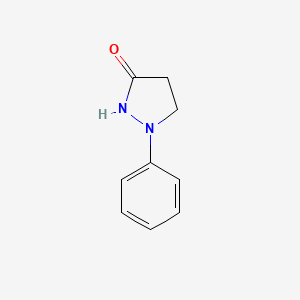
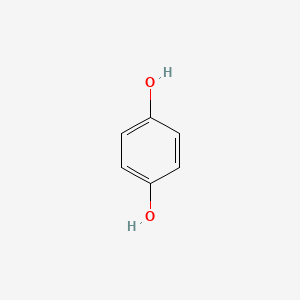
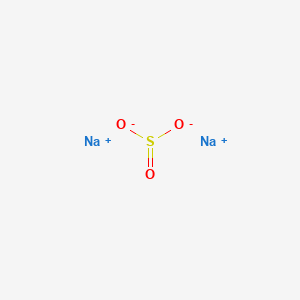
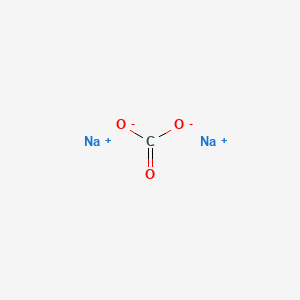
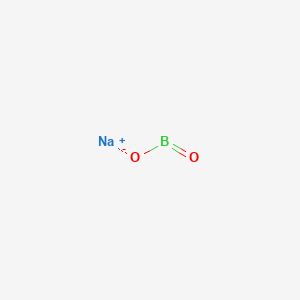
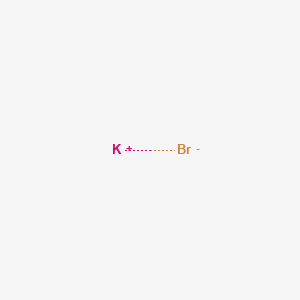
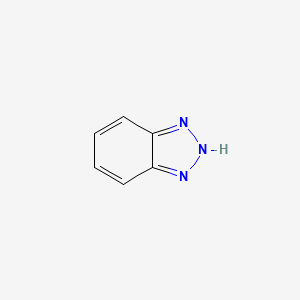
Chemical structures: PubChem (public domain)
Mixing it at home
Geoffrey Crawley's phenidone–hydroquinone acutance developer; supplied in three packets, with the phenidone dissolved separately.
- 1The developer is packaged in three bags: one contains phenidone with a small amount of sodium sulfite, another contains hydroquinone, and the third contains all the other substances (sodium sulfite, sodium carbonate, Kodalk, potassium bromide, benzotriazole).
- 2In a 1-liter container, dissolve the contents of a large package (sodium sulfite, sodium carbonate, Kodalk, benzotriazole, potassium bromide) in 600–650 mL of distilled water at 45–50°C, thoroughly crushing any lumps until completely dissolved.
- 3Add the contents of the middle packet (hydroquinone) and stir until the developer is completely dissolved.
- 4Separately, dissolve the contents of the small packet (phenidone with a small amount of sodium sulfite) in 100–150 ml of hot (≈65°C) water, then pour this solution into the main mixture.
- 5Let the solution cool to room temperature, then bring the volume up to 1 liter.
- 6Let it settle for 2–3 hours, then filter it through cotton wool to remove any insoluble hydroquinone impurities.
Key points
- Designed for T-Max and Delta films: high sharpness and edge effects. The standard dilution is 1+3.