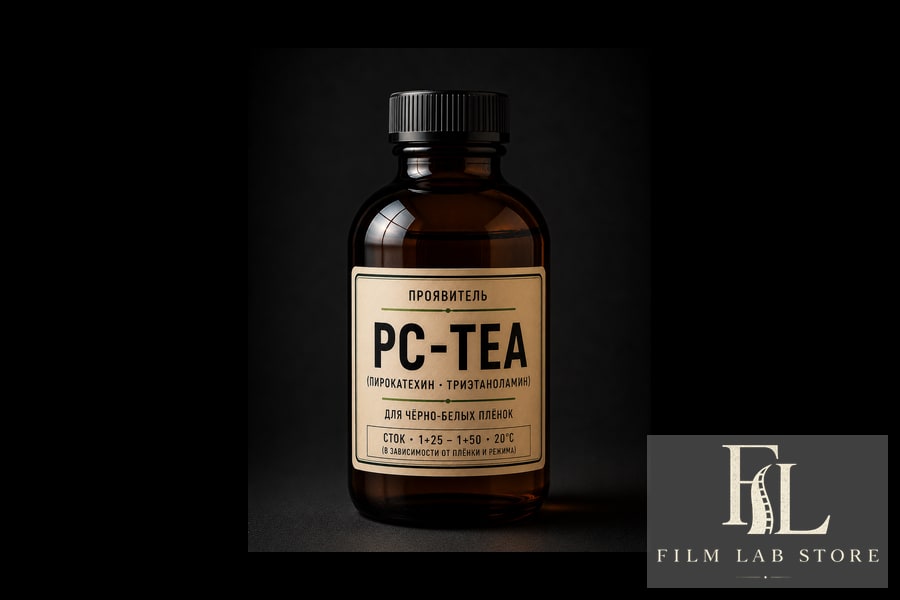
Highly Concentrated PC-TEA Developer
Anhydrous ascorbic acid-phenidone concentrate in triethanolamine—it has a shelf life of over a year and is diluted immediately before use.
About this developer
PC TEA is an anhydrous, universal, highly concentrated ascorbic acid-phenidone developer based on triethanolamine (TEA). It provides high sharpness with moderate grain. The developer has excellent shelf life (over 1 year), and the working solution is easily prepared from the concentrate by simply diluting it with water in the desired proportion. Despite its “youth,” PC TEA is extremely popular.
Character
A single-solution formulation containing fenidone and ascorbate in triethanolamine; a stable concentrate.
How to Prepare and Use
- 1The working solution is prepared immediately before use: 1 part concentrate to 49 parts water (1+49). To make 0.5 L of working solution, take 10 mL of concentrate and dilute it with water to 0.5 L.
- 2Develop at 20–22°C: The processing time is roughly equivalent to that in D-76 at a 1:1 dilution—for example, ISO 400 film takes about 9 minutes to develop in PC TEA.
Pros
- One of the longest-lasting concentrates—it can be stored for over a year
- It takes just a few minutes to prepare by simply mixing it with water
- Compact concentrate—100 ml lasts a long time when diluted at a ratio of 1:49
Cons
- Preparing the concentrate requires heating triethanolamine to 110–120°C—this process calls for care and heat-resistant containers
- The source does not include a film-specific development time chart; it only provides a 1:1 comparison with D-76.
- Triethanolamine is a specialized reagent that isn't always readily available
Recipe for 100 ml of concentrate
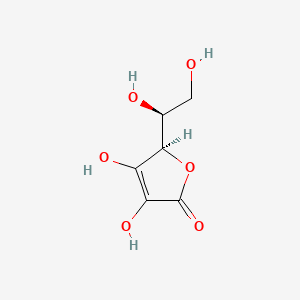
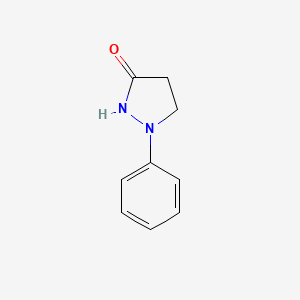
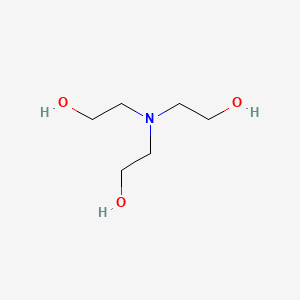
Chemical structures: PubChem (public domain)
Mixing it at home
A single-solution phenidone–ascorbate developer in triethanolamine; the concentrate is made with heat, then diluted 1:49.
- 1Pour approximately 75 mL of triethanolamine into a 100-mL graduated cylinder and heat it to 110–120°C.
- 2In hot triethanolamine, dissolve ascorbic acid (9.0 g) first, and then, once it has dissolved, dissolve phenidone (0.25 g).
- 3After all the substances have dissolved, let the solution cool to room temperature and bring the volume up to 100 mL. The concentrate is ready.
Key points
- The concentrate is long-lived — it keeps for over a year; make the working solution by diluting 1:49 right before developing.