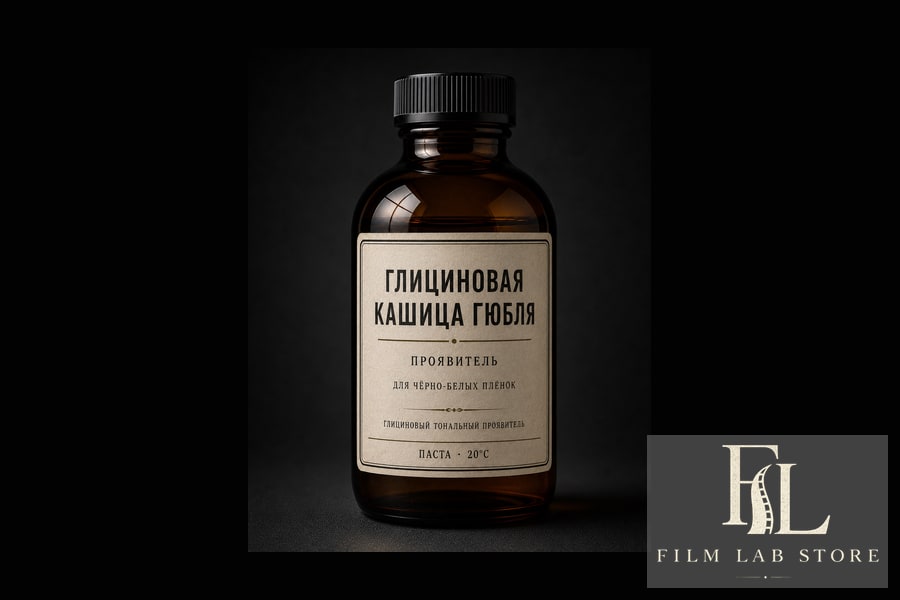
Hübl's Glycin Paste
A classic all-purpose developer based on glycine-photo, a reagent that is nearly impossible to find today—it ranges from high-contrast to extremely mild and smoothing, depending on the dilution.
About this developer
Gübly’s paste is one of the legendary developers that marked the dawn of photography. It is prepared from the developing agent para-hydroxyphenylglycine (commonly known as “glycine-photo”), which, despite its similar-sounding name, has nothing to do with the glycine (aminoacetic acid) found in pharmacies. In post-CIS countries, this substance has not been produced since the early 1990s, so today the recipe is more of a museum exhibit than a practical tool—it’s nearly impossible to get hold of the reagent. In terms of consistency, the mixture does indeed resemble a thick paste, which makes it more difficult to dose and package compared to liquid or dry concentrates. On the other hand, it has exceptional shelf life: when stored properly, the concentrate lasts for years.
Character
A universal developer that works on both negative and positive materials when diluted slightly, and only on positive materials when diluted heavily. It produces exceptionally clean results, with almost no fog, and yields clean, delicate tonal transitions with rich gradation, especially in the highlights. It is suitable for both tank and tray development.
Best films
Versatile: at a low dilution ratio, it is suitable for negative film; at a high dilution ratio (which has a strong leveling effect), it is suitable only for positive materials.
How to Prepare and Use
- 1To prepare the working solution, dilute the concentrate with water in the desired ratio—from 1:6 to 1:100, depending on the desired development characteristics.
- 2When using a 1+30 dilution, develop the film for 20–30 minutes; this solution can be used to process up to three rolls of film.
- 3When using a 1+60 dilution, develop the film for 40–60 minutes; the solution is for single use only, for one roll of film.
- 4Alternatively, you can mix the powder itself with a small amount of warm water in advance until it is completely dissolved, and then dilute the resulting solution further—but in this case, the concentrate’s overall shelf life will be reduced to about 2–3 months instead of several years.
Pros
- Exceptional shelf life of the concentrate—years when stored properly
- It produces an extremely clear image, with almost no haze
- A wide range of effects—from high-contrast to ultra-soft smoothing—achieved through a single dilution
- Versatile: suitable for both tank and cuvette development
Cons
- Glycine-photo reagent is virtually impossible to find—it hasn't been manufactured since the early 1990s
- The "paste-like" consistency makes it difficult to measure out precise amounts
- Over time, it flakes apart and clumps together, making the work more difficult
- Diluting the porridge with water beforehand, for convenience, reduces its shelf life from several years to 2–3 months
Recipe for porridge (100 ml)
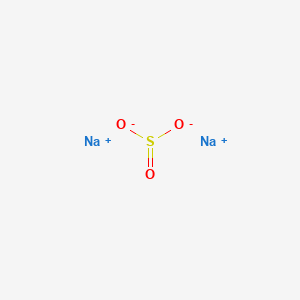
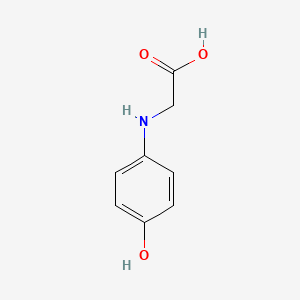
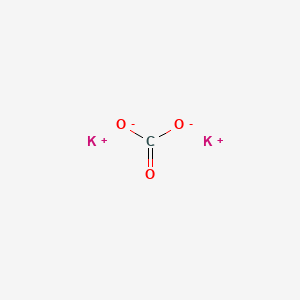
Chemical structures: PubChem (public domain)
Mixing it at home
A historic glycin paste developer: the dry reagents are made into a concentrate paste, then a working solution from 1+6 to 1+100.
- 1Dissolve the dry reagents (anhydrous sodium sulfite, Glycine-Photo, anhydrous potassium carbonate) in 60 mL of hot distilled water in the order specified in the kit instructions.
- 2Add distilled water until the volume reaches 100 ml—this will result in a thick paste.
- 3Prepare the porridge and store it in a wide-mouth jar.
Key points
- A versatile developer: at low dilution it works on both negatives and positives; at high dilution, on positives only.