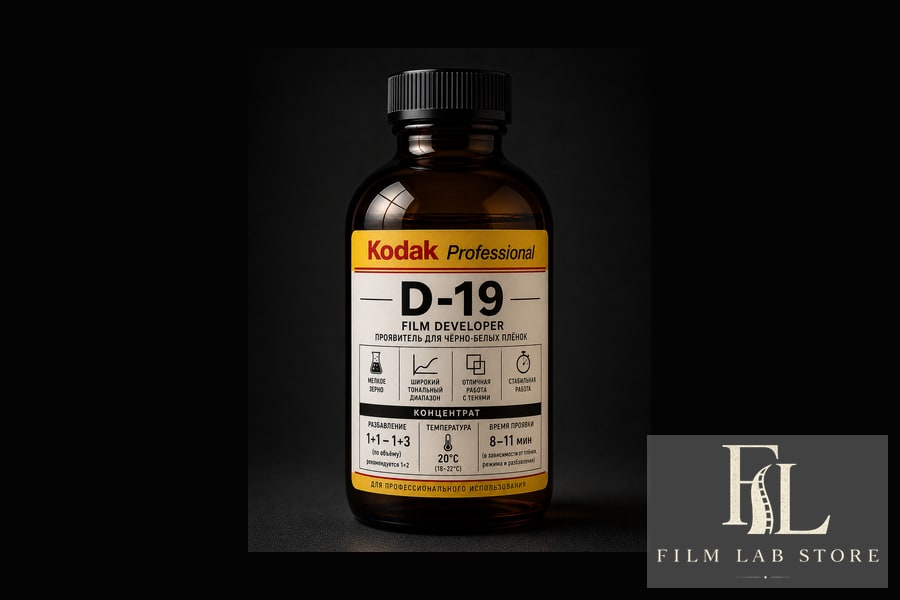
Kodak D-19
Kodak's universal contrast developer for film and photographic paper—the domestic equivalent of which is known as RENTGEN-2—does not reduce the actual sensitivity and is suitable for PUSH processing.
About this developer
D-19 was developed by Kodak and has since served as the benchmark for a high-contrast, all-purpose developer—for both film and photographic paper. Its strength lies in a combination of qualities: minimal fogging, no emulsion discoloration, a long service life, and good solution stability over time. Since this is a standard developer, the film development time is indicated on the film packaging itself; photographic paper is developed for 1–2 minutes (plastic paper develops faster than baryta paper). For a more controllable, less high-contrast result on paper, the developer can be diluted with water in a 1:1 ratio—in which case the development time increases to 1–4 minutes.
Character
A standard, high-contrast developer proven over decades. Unlike many similar products, it does not reduce the material’s actual light sensitivity—it can be used as a push developer. It produces minimal chemical fogging, adds virtually no color to the emulsion, allows for high maximum image densities, and is well-suited for expired and fogged photographic materials. For a developer of this class, it produces a fairly fine grain.
Best films
A universal standard developer for many domestic and foreign films and photo papers; works well with expired and fogged materials; suitable for push processing.
How to Prepare and Use
- 1Develop the film according to the time indicated on the package; develop the photo paper for 1–2 minutes (1–4 minutes when diluted 1:1).
Pros
- Does not reduce the film's actual sensitivity—suitable for PUSH processing
- Minimal chemical residue; does not discolor the emulsion
- Long service life: up to 8 roll films or 30 sheets of 18×24 paper per solution
- Works well with outdated and obscure materials
Cons
- A universal developer “for film and paper” is less specialized than formulas designed exclusively for film
- Check the package for the film’s development time—the source does not provide a specific number
- A slight darkening or discoloration of the solution over time is acceptable, but it takes some getting used to
Recipe for 1 liter
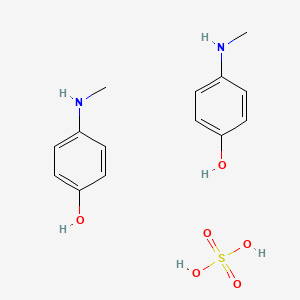
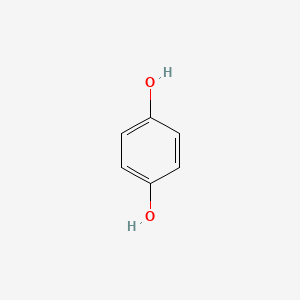
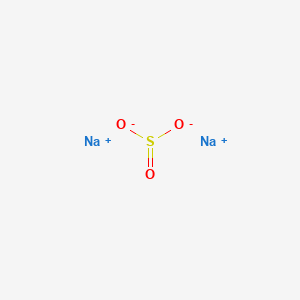
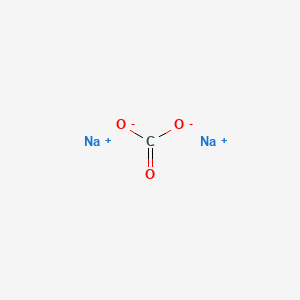
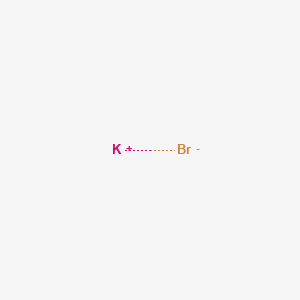
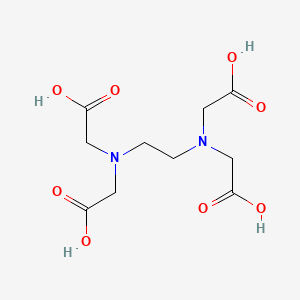
Chemical structures: PubChem (public domain)
Mixing it at home
A standard high-contrast developer supplied in two packets (developing agents and buffer salts).
- 1Take a container marked at 1 L and pour in 500 mL of distilled water at a temperature of 40–45°C.
- 2Empty the contents of the large bag and stir constantly until completely dissolved.
- 3Pour 200–250 ml of distilled water at a temperature of 45–50°C into a separate container, add a small amount of the solution from the first packet, and dissolve the developing agents (the small packet) in it, carefully breaking up any lumps.
- 4Pour both solutions together, rinse the bags with a small amount of warm water, and pour the water into the same container so as not to waste the reagents.
- 5Let the solution cool to room temperature and bring the volume up to 1 liter.
- 6Let the developer settle for 2–3 hours and filter it if necessary.
Key points
- Unlike many high-contrast developers, D-19 does not reduce true film speed and is suitable for push processing.
- A single fresh solution can be used to process up to 30 sheets of 18×24 cm photographic paper or up to 8 rolls of photographic film.