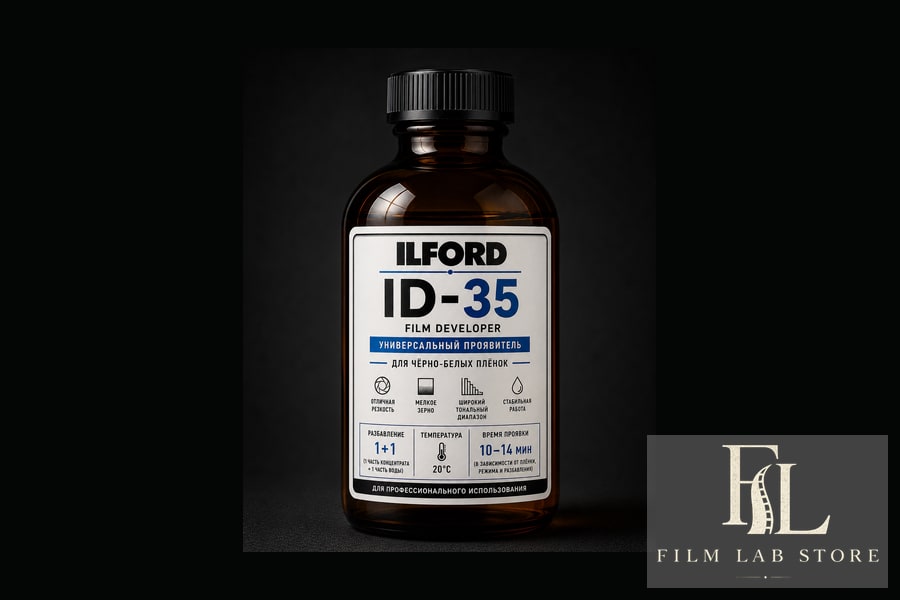
Ilford ID-35
A two-bath developer for deliberately high-contrast processing of negative film—solutions A and B are mixed in a 1:1 ratio immediately before use.
About this developer
ID-35 is not intended to be a universal developer; it is a specialized tool for forced contrast. The solution is kept as two separate stock solutions—A (hydroquinone + sodium sulfite + potassium bromide) and B (potassium nitrate)—which store well when kept separately. The working solution is mixed in a 1:1 ratio only immediately before development, used to process several rolls of film in succession, and then discarded—it does not last long.
Character
This developer is intended exclusively for producing high-contrast images on negative film. It is stored as two long-life stock solutions, and the working solution is prepared on the day of development by mixing them in a 1:1 ratio—the working solution itself does not last long.
Best films
Any black-and-white negative film is suitable for situations where a deliberately increased contrast is needed—such as reproduction and technical photography, or to compensate for a flat scene.
How to Prepare and Use
- 1Develop the film for 3–4 minutes at 20°C; you can process several films in a single developing solution, after which the solution should be discarded.
Pros
- Predictable, controllable contrast enhancement
- Reserve solutions A and B can be stored separately without any problems
- A simple two-solution system without complex buffers
Cons
- The working solution is not stored—it is used once on the day it is mixed.
- Not suitable for standard, neutral development
- The source does not provide data on push/pull or extended exposure times for individual films
Two backup solutions, 1 liter each
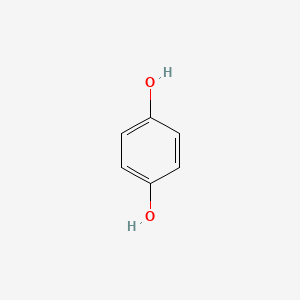
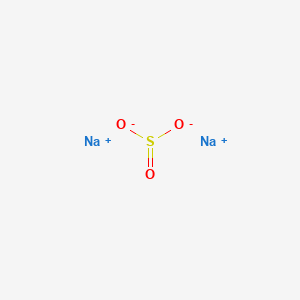
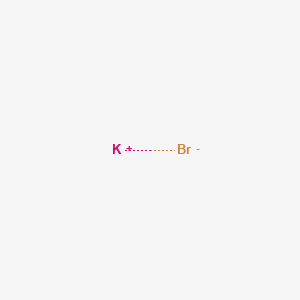
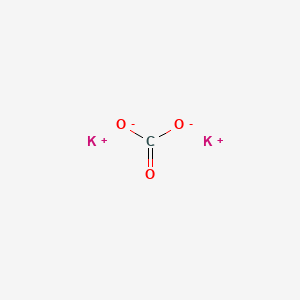
Chemical structures: PubChem (public domain)
Mixing it at home
A high-contrast two-solution developer: you make solutions A and B and mix them 1:1 before use.
- 1Prepare Solution A: Pour about 700 ml of warm water into a 1-liter container, then add approximately 1/3 of the contents of a medium-sized packet (sodium sulfite + potassium bromide).
- 2Once dissolved, add the contents of the small packet (hydroquinone), followed by the remainder of the medium-sized packet.
- 3Allow Solution A to cool to room temperature, bring the volume to 1 L with distilled water, and filter if necessary.
- 4Prepare Solution B: Pour about 700 ml of warm water into a 1-liter container and, while stirring constantly, dissolve the contents of the large bag (potash).
- 5Allow Solution B to cool to room temperature and adjust the volume to 1 L; filter if necessary.
- 6Before developing, mix solutions A and B in a 1:1 ratio—this is the working solution.
Key points
- Intended only for high-contrast results on negative film; stored as two long-lived stock solutions mixed 1:1 right before developing.