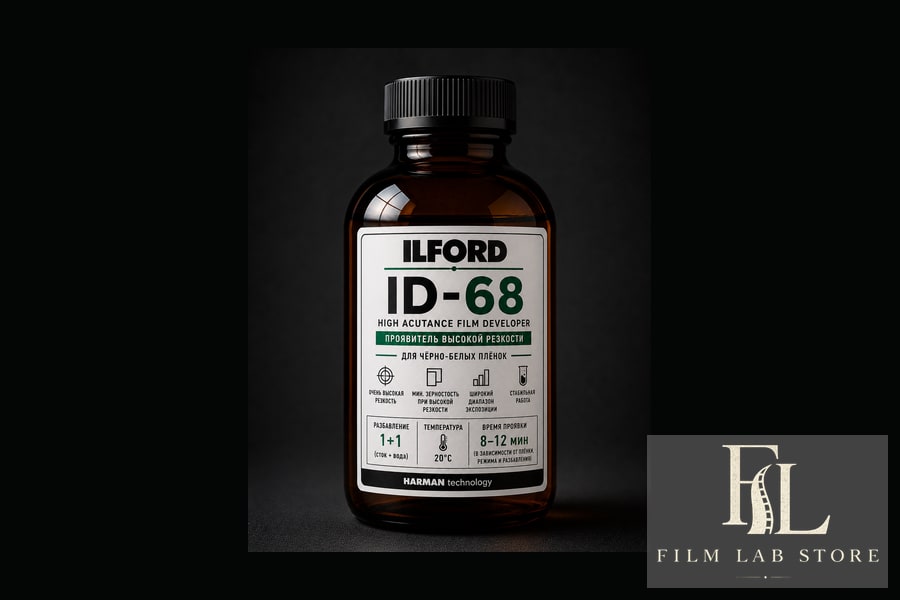
Ilford ID-68
Phenidone-hydroquinone PUSH developer—an evolution of Microphen that increases film sensitivity without increasing grain size.
About this developer
ID-68 was designed for situations where film sensitivity needs to be pushed to the limit: this usually results in increased grain and contrast, and films with inherently high sensitivity are already coarse-grained. Like Microphen, ID-68 is optimized for the upper part of the characteristic curve—the region responsible for maximum light sensitivity—and, thanks to the solution’s low alkalinity, prevents silver grains from clumping together. Unlike developers that sacrifice grain size for increased sensitivity, ID-68 keeps the grain size at the level of standard processing.
Character
This developer is similar in composition and action to Ilford Microphen, but it produces a softer result due to the borax/boric acid buffer system. It provides a sensitivity gain of approximately 1/2 EV, and when used undiluted, it can increase the film’s effective sensitivity by a factor of 8–10 while maintaining the grain size typical of standard development.
Best films
With virtually any black-and-white film, the greatest increase in sensitivity is achieved when using the developer undiluted.
Pros
- Up to an 8–10-fold increase in sensitivity without any loss in grain size
- Milder than Microphen, thanks to the borate buffer
- Allows you to process 5–6 rolls of film with a single batch of developer
Cons
- Special PUSH formula — not suitable as an everyday all-purpose developer
- Requires a gradual increase in time for each subsequent film
- A partially used solution lasts only 2 weeks
Recipe for 1 liter
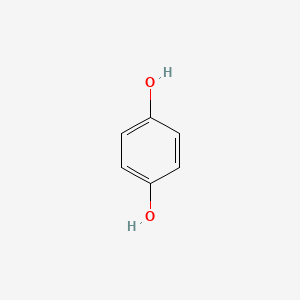
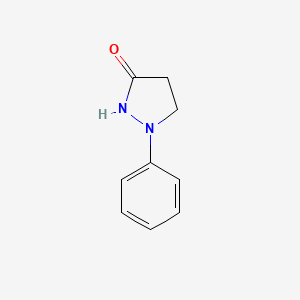
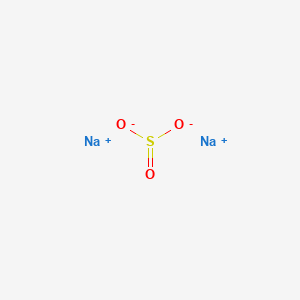
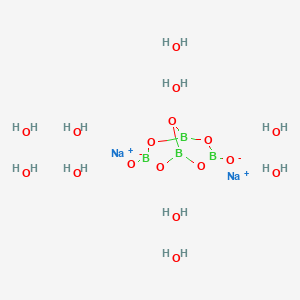
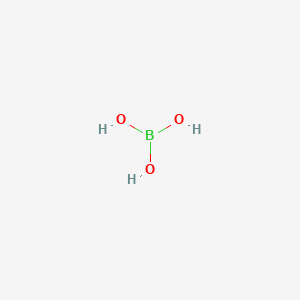
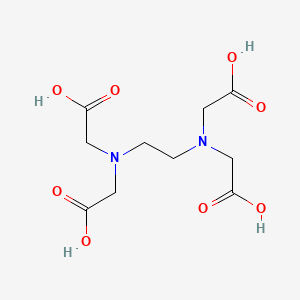
Chemical structures: PubChem (public domain)
Mixing it at home
A phenidone–hydroquinone push developer supplied in three packets; the phenidone is dissolved separately in hot water.
- 1Take a 1-liter container and pour in 600–650 ml of distilled water heated to 45–50°C.
- 2Dissolve the contents of the large package (Trilon-B, sodium sulfite, boric acid, borax, potassium bromide) in it, thoroughly crushing any lumps until completely dissolved.
- 3Add the contents of packet 2 (hydroquinone) and completely dissolve the developer.
- 4Separately, dissolve the contents of packet 3 (phenidone) in 70–100 ml of hot water (65–70°C).
- 5Rinse both bags with warm water and pour the remaining solution into the main solution so as not to waste the reagents.
- 6When the solution has cooled to 20°C, add distilled water until the level reaches 1 L, then stir.
- 7Let the freshly prepared solution settle for 2–3 hours, then filter it through cotton wool to remove any insoluble hydroquinone impurities.
Key points
- In composition and action it is close to Microphen, but milder thanks to the borax/boric-acid buffer; it gives an effective speed boost.
- Develop 5–6 rolls of film in a row, slightly increasing the development time for each subsequent roll; to maximize the increase in sensitivity, do not dilute the developer.