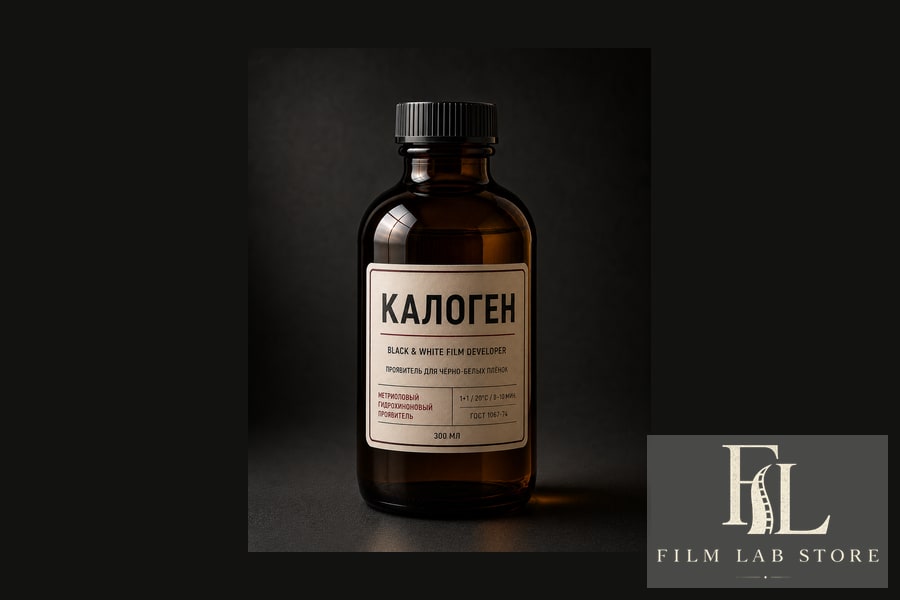
Kalogen
A versatile, highly concentrated rodinal-type developer for film and photo paper, producing deep blacks.
About the Developer
Kalogen is a versatile, highly concentrated developer developed in the United States (by Anderson) that is suitable for processing both film and photographic paper and produces deep black tones. In terms of application, this developer is very similar to Rodinal and replaced it in the United States in the early 20th century when there were supply disruptions of Rodinal from Germany. Like Rodinal, Kalogen stores very well and retains its properties for at least three years.
Character
A versatile, highly concentrated developer (metol-hydroquinone-alkali); similar in application to Rodinal, it produces deep black tones.
Best films
The source does not provide specific data on particular films; in terms of application method (high dilution of the concentrate), it is similar to Rodinal and is suitable for the same general-purpose black-and-white films.
Pros
- The concentrate retains its properties for at least 3 years
- Produces deep, rich black tones
- Economical thanks to its high dilution ratio (1:50–1:60)
Cons
- Requires caustic soda—handle with care
- It takes 2–3 days of settling before it is ready for use
- The source does not specify an exact development time for the film
Recipe for 1 liter (concentrate)
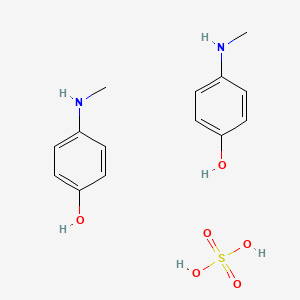
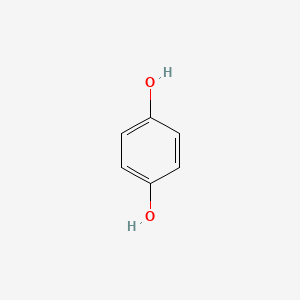
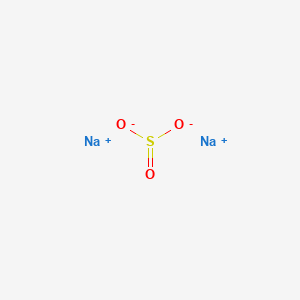
Chemical structures: PubChem (public domain)
Mixing it at home
A highly concentrated metol–hydroquinone developer on an alkali; used much like Rodinal. The order of dissolving matters.
- 1Pour 750 ml of distilled water at 45°C into a container.
- 2Dissolve the methyl in it, then the sodium sulfite.
- 3While stirring constantly, add hydroquinone—some of it will dissolve immediately, while the rest will remain in suspension until the alkali is added.
- 4Add the sodium hydroxide in small portions, stirring thoroughly and making sure it doesn't clump together—the solution will clear up, and the suspended hydroquinone will dissolve.
- 5Dissolve potassium bromide.
- 6Let the solution cool to 20°C, then add distilled water to bring the volume to 1 liter.
- 7Let the prepared developer stand for 2–3 days, then transfer it to a storage container (preferably, but not necessarily, after filtering it).
Key points
- The order is important: first, metol, then sodium sulfite, then hydroquinone (which will not dissolve completely), then sodium hydroxide in small portions—after which the solution will clear and all the hydroquinone will dissolve—and only then potassium bromide. Allow the finished solution to settle for 2–3 days before filtering and decanting it for storage.
- For film, dilute the concentrate 50–60 times (10 mL of concentrate to 500–600 mL of water); for photographic paper, dilute it 11–14 times (1 mL of concentrate to 11–14 parts water).