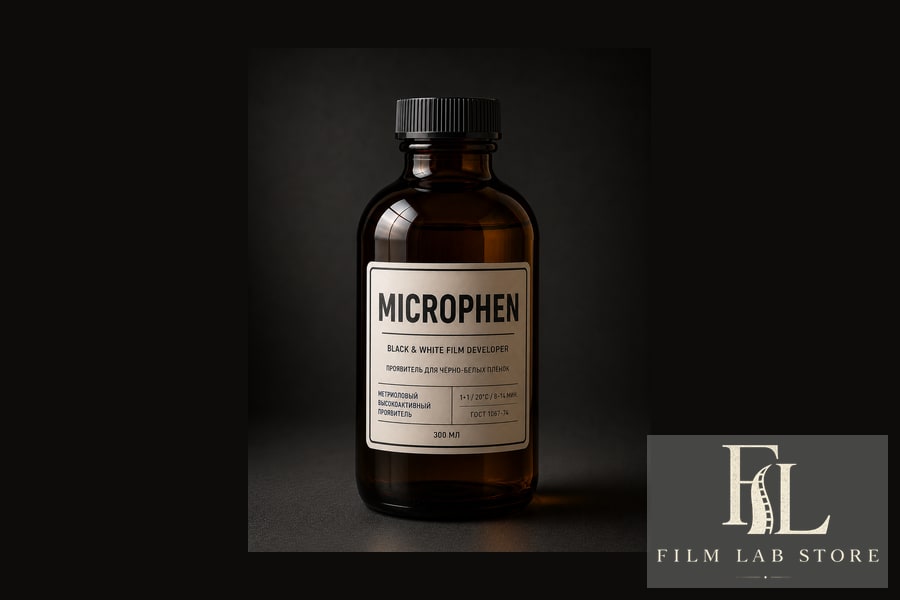
Microphen
Ilford's low-alkali developer, which increases the film's actual sensitivity with virtually no increase in grain—the gold standard for push processing.
About the Developer
Ilford has been manufacturing Microphen for more than half a century, and it remains the gold standard among push-processing developers. Due to the solution’s low alkalinity, the grain does not coarsen or clump together even with a significant increase in development time—where a conventional developer produces coarse grain and harsh contrast, Microphen preserves the softness of the image. An increase in sensitivity is possible with virtually any film, but the maximum effect—up to 8–10 times—is achieved only with undiluted (stock) solution; when diluted, the smoothing effect is enhanced, but the increase in speed is smaller. The phenidone + hydroquinone developing pair operates in a mild buffer of borax and boric acid—this is precisely what reduces the solution’s alkalinity.
Character
A developer for high-sensitivity film and push processing. It maintains the film's speed better than Perceptol or D-23, but the grain and contrast increase more noticeably than with fine-grain formulas.
Best films
Ilford HP5+ (pushed to ISO 1600), Delta 400/3200 Professional, Kodak Tri-X 800/1600, T-Max 400, Kentmere 400, Fomapan 400 — wherever you need increased sensitivity without sacrificing fine grain.
Film Development Times (Official Ilford Data)
| Film | Breeding | Time @ 20°C |
|---|---|---|
| Ilford HP5+ (ISO 400) | stock (undiluted) | 6 min 30 sec |
| Ilford HP5+ (ISO 400) | 1:1 | 12 min |
| Ilford Delta 400 Professional (ISO 400) | stock (undiluted) | 6 min 30 sec |
| Ilford Delta 400 Professional (pushed to ISO 1600) | stock (undiluted) | 10 min 30 sec |
Time — starting point at 20°C according to Ilford’s official data sheet “Perceptol, ID-11, and Microphen Film Developers” (2024). For films from other manufacturers (Tri-X, T-Max, Fomapan), there are no official Ilford tables—use the values for HP5+/Delta 400 as a guide and verify with a test strip.
Pros
- It preserves the film's actual sensitivity during processing better than most developers
- There is almost no grain, even at ISO 1600–3200
- Cost-effective—up to 5–6 films per batch of stock solution
Cons
- At standard ISO, without push processing, it offers no advantage over D-76 or ID-11
- Diluted solutions (1:1, 1:3) cannot be reused
- Requires a precise sequence and temperature for dissolving phenidone
Recipe for 1 liter
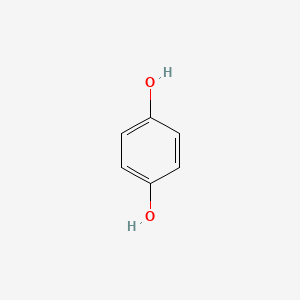
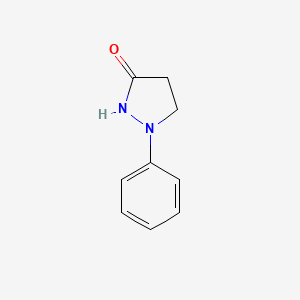
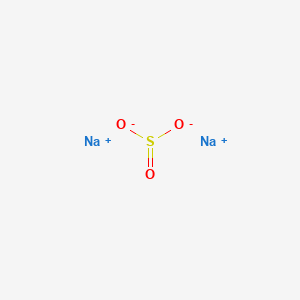
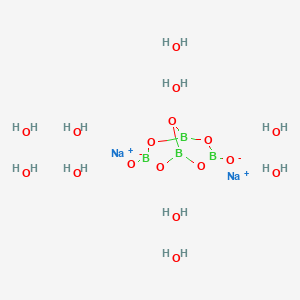
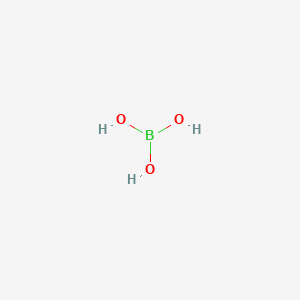

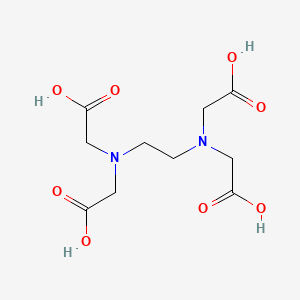
Chemical structures: PubChem (public domain)
Mixing it at home
A phenidone–hydroquinone developer supplied as three packets. The main subtlety: dissolve the phenidone separately in hotter water.
- 1The developer is packaged in three bags: one contains phenidone, another contains hydroquinone, and the third contains sodium sulfite, borax, boric acid, potassium bromide, and Trilon-B.
- 2Pour 600–650 ml of distilled water, heated to 45–50 °C, into a 1-liter container, and dissolve the contents of the large packet in it, carefully breaking up any lumps.
- 3Once it has completely dissolved, add the contents of packet 2 (hydroquinone) and stir the solution until it is completely dissolved again.
- 4Dissolve Packet 3 (phenidone) separately in 70–100 ml of hot water (65–70 °C)—phenidone does not dissolve easily, so any lumps must be thoroughly crushed.
- 5Rinse the empty bags with warm water several times and pour the rinse water into the main solution.
- 6When the temperature drops to 20 °C, add distilled water until the level reaches the 1-liter mark, stir, and let it settle for 2–3 hours.
- 7Filter the developer through cotton wool to remove insoluble hydroquinone impurities—after that, the solution is ready for use.
- 8One batch is enough to process 5–6 rolls of film in a row; slightly increase the development time for each subsequent roll.
Key points
- Phenidone dissolves poorly — mix it separately in hot water (65–70 °C), rubbing out the lumps, and only then pour it into the main solution.
- It boosts effective speed by up to about half a stop on most films, and more on fast films (HP5+, Delta 400/3200). Its low alkalinity holds grain growth in check, so Microphen is one of the best choices for push processing.
- One batch can develop 5–6 rolls in a row; increase the time slightly for each successive roll.