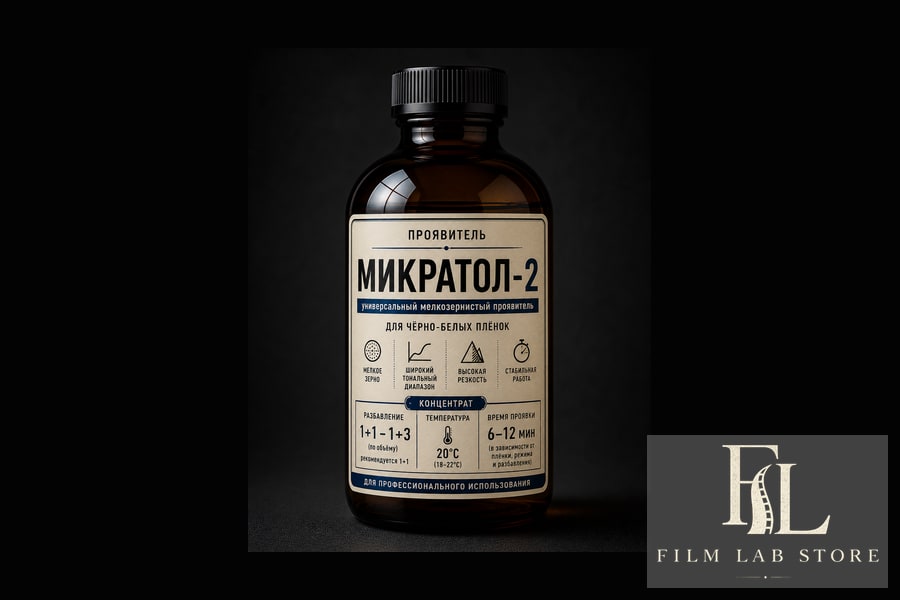
Mikratol-2
A highly concentrated phenidone-glycine developer for technical and low-sensitivity films with a wide dilution range—from 1:50 to 1:100.
About this developer
Micratol-2 is a concentrate based on phenidone and glycine, which is supplied either as a ready-to-use solution or in three separate packets (phenidone, glycine-photo, and the remaining ingredients). A key feature is the ability to control properties through dilution: a standard 1:50 working solution produces a moderately contrasted result, while a dilution of up to 1:100 is used in high-contrast lighting conditions, extending the development time. The source provides detailed processing times for specific films at 20–22°C, which is rare for homemade recipes—these are concrete guidelines, not general estimates.
Character
Unlike Micratol-1, this solution uses a phenidone-glycine combination. The concentrate is extremely concentrated: the working solution is prepared by diluting it at a ratio of 1:50 to 1:100, and the degree of dilution directly affects the contrast and development time.
Best films
Technical and low-sensitivity films—the source provides exact exposure times for Neopan Acros 100, Ilford FP4 Plus 125, Agfa APX-100, Fomapan 100, Mikrat-300/-200 films, and A-2Sh technical films.
How to Prepare and Use
- 1To prepare a standard working solution (1:50), dilute 10 mL of the concentrate in 500 mL of water at 20–22°C.
- 2Stir continuously for the first 30 seconds, gently tapping the container on the table, and then make 5–6 turns of the spiral every 4 minutes.
- 3After developing, pour out the developer, add water at the same temperature, and let the film sit for 5 minutes without agitating it to allow for post-development.
- 4For conditions with high contrast, prepare a stronger working solution—1 mL of concentrate per 100 mL of water; the development time increases accordingly.
Development times for film (source data, 1:50 dilution, 20–22°C)
| Film | Breeding | Weather @ 20–22°C |
|---|---|---|
| Neopan Acros 100 | 1:50 | 13 min |
| Ilford FP4 Plus 125 | 1:50 | 11 min (equivalent to 15 min at ISO 250) |
| Agfa APX-100 | 1:50 | 18 min |
| Fomapan 100 | 1:50 | 11 min |
The development times are taken from the recipe’s original source (not from the Massive Dev Chart)—this is the only recipe in the collection with its own film-specific table. For high-contrast conditions, when diluted 1:100, the development time roughly doubles or triples (for example, FP4 Plus—25 min, Fomapan 100—32 min). For technical films such as Mikrat-300/-200 and A-2Sh, the times are different—see quickFacts.
Pros
- Economical concentrate—the working solution is diluted at a ratio of 1:50 to 1:100
- Contrast is controlled by the dilution ratio, without changing the formula
- Actual, verified development times for several films
Cons
- A small volume of concentrate (100 mL) makes it difficult to accurately weigh out small doses of reagents
- An unusual mixing regimen (tapping + infrequent agitation) is easy to disrupt
- At a high dilution (1:100), the development time increases to one hour
- A specific selection of films—not a one-size-fits-all developer for everyday photography
Recipe for 100 ml of concentrate
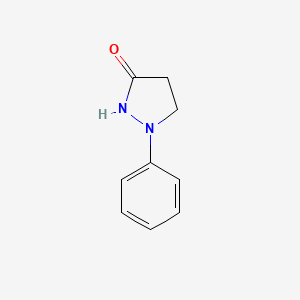
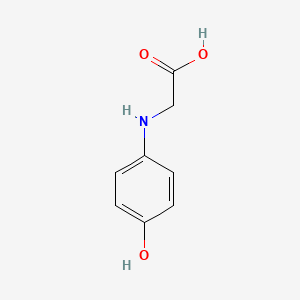
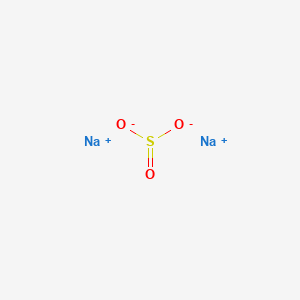
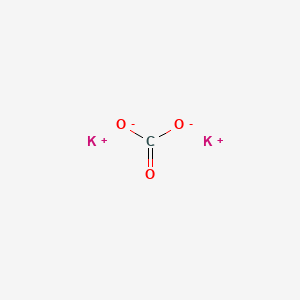
Chemical structures: PubChem (public domain)
Mixing it at home
A highly concentrated phenidone–glycin concentrate; supplied in three packets and diluted 1:50 or stronger.
- 1Pour about 80 ml of hot water (≈60°C) into a container marked at 0.1 L.
- 2Add about 1/5 of the contents of the large package and wait until it is completely dissolved.
- 3Add the fenidone, stirring thoroughly to break up any lumps until it is completely dissolved.
- 4Add the remaining contents of the large package and wait for it to dissolve.
- 5Add the glycine and stir the solution thoroughly.
- 6Let the concentrate cool to room temperature, then bring the volume up to 0.1 L.
Key points
- Unlike Mikratol-1, this one works on a phenidone + glycin pair; the concentrate is very rich — the standard dilution is 1:50.