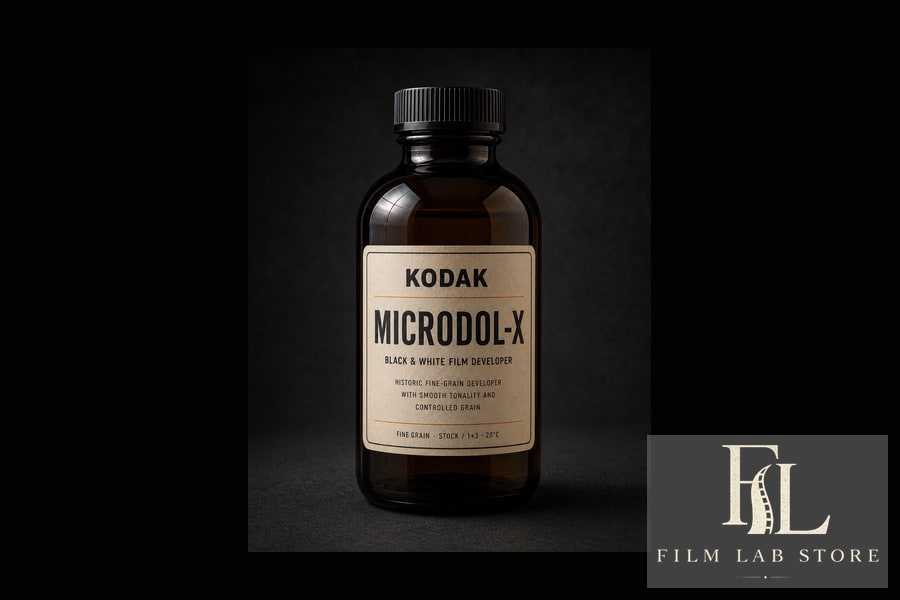
Kodak Microdol-X
Kodak's ultra-fine-grain metol developer is very similar to Perceptol, a product proven over decades by millions of photography enthusiasts.
About the Developer
Microdol-X was developed by Kodak and is very similar to Ilford’s Perceptol—a tried-and-true formula. It is also a variant of the popular D-25 developer: a metol-based, alkali-free developer. The only noticeable difference from Perceptol is that instead of sodium tripolyphosphate, it uses trisubstituted sodium citrate, which also creates a mild buffered environment. As with Perceptol, the sodium chloride must be chemically pure: ordinary table salt, even “Extra” grade, contains impurities of magnesium, calcium, and sulfate salts that are harmful to the film emulsion. Potassium chloride can be used in an equimolar amount instead of sodium chloride.
Character
A Kodak ultra-fine-grain metol developer, very similar to Perceptol and D-25 in composition and results: the same metol without active alkali, the same trade-off of “smooth grain in exchange for sensitivity.”
Best films
Officially tested with Kodak Tri-X 400 (see table); based on its composition and characteristics, it is also suitable for medium-speed films such as Ilford FP4+ or Fomapan 100, where grain fineness is more important than speed.
Film development times (official Kodak data)
| Film | Breeding | Time @ 20°C |
|---|---|---|
| Kodak Tri-X 400 (ISO 400) | stock (undiluted) | 9 min 15 sec |
| Kodak Tri-X 400 (ISO 400) | 1:3 | 17 min |
Time — starting point at 20°C/68°F, small tank, agitation every 30 seconds, according to the official Kodak Tri-X 320/400 development chart (publication F-4017). For other films (FP4+, Fomapan) from Kodak and Ilford, no separate tables using Microdol-X have been published—use these values only as a guide and verify them with a test strip.
Pros
- One of the most tried-and-true ultra-fine-grain recipes in the history of photography
- Kodak has officially tested it specifically with Tri-X 400—there are exact exposure times
- Smoother and more predictable than many similar products
Cons
- A noticeable loss of sensitivity, just like with Perceptol
- Requires chemically pure reagents (sodium chloride, citrate)
- Not suitable for push processes
Recipe for 1 liter
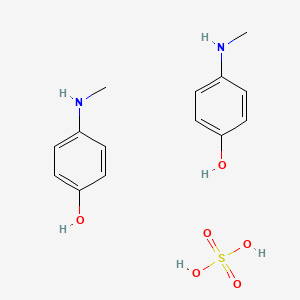
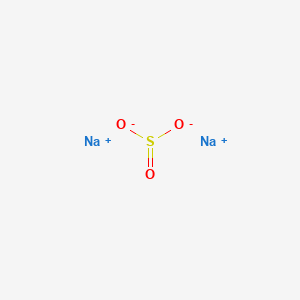
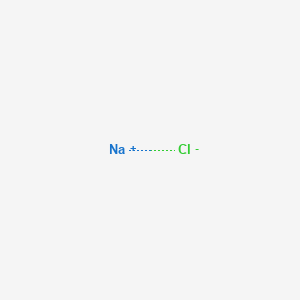
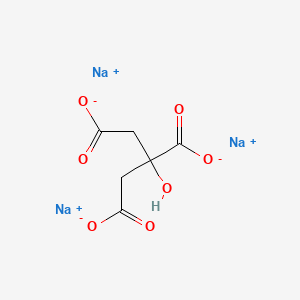
Chemical structures: PubChem (public domain)
Mixing it at home
Kodak's branded powder is long discontinued, but the formula is easy to mix yourself. Order matters: the metol goes in before the bulk of the sulfite — it barely dissolves in a strong sulfite solution.
- 1Pour about 750 ml of warm water (~45°C) into a 1-liter container and dissolve a small amount of sodium sulfite (about 10 g) in it.
- 2After the sulfite has dissolved, add the metol and dissolve it completely.
- 3Add the remaining sodium sulfite, followed by the trisubstituted sodium citrate and sodium chloride—add each subsequent substance only after the previous one has completely dissolved.
- 4Let the developer cool to room temperature, then bring the volume of the solution up to 1 liter.
- 5If necessary, filter the prepared developer.
Key points
- The sodium chloride (table salt) must be chemically pure — no iodine or anti-caking agents, which spoil the solution.
- At stock strength it gives ultra-fine grain but loses about a stop of speed. Diluted 1:3, full speed returns and sharpness rises, but the grain becomes roughly like D-76 or D-23.
- In composition and character Microdol-X is close to Ilford Perceptol and the Soviet D-25 — metol–sulfite developers with added salt.