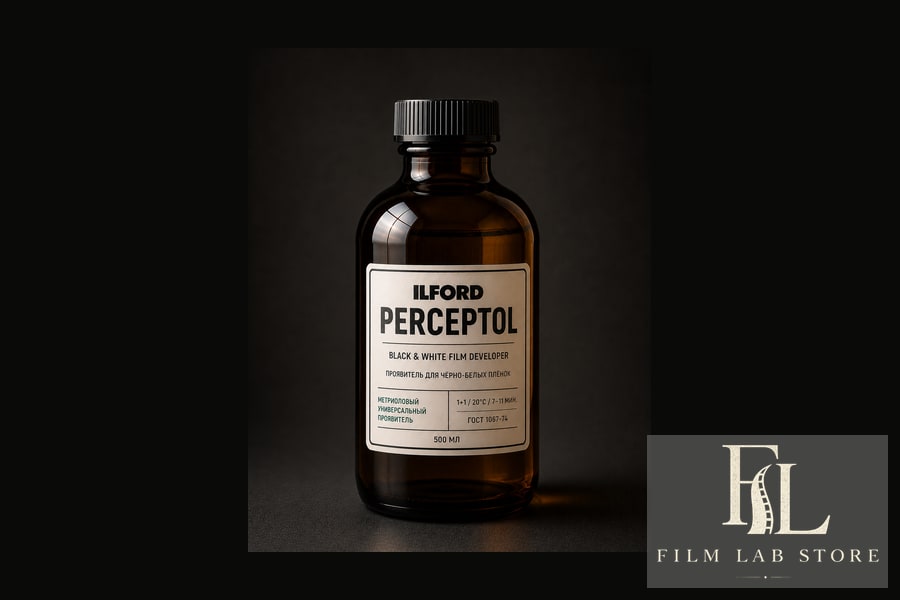
Ilford Perceptol
An ultra-fine-grain, alkali-free metol developer sacrifices some of the film's sensitivity in order to produce an extremely smooth negative.
About the Developer
Ilford’s Perceptol is, in terms of composition and philosophy, a close relative of the Soviet D-25: it uses the same metol as the sole developing agent and contains no active alkali. Opinions about it vary: some photographers consider it the only ultra-fine-grain equalizing developer, while others prefer D-25 or D-23. The sodium chloride in the formula must be chemically pure—ordinary table salt is contaminated with magnesium and calcium salts and sulfates, which are harmful to the emulsion; potassium chloride can be used instead in an equimolar amount. Sodium tripolyphosphate does more than just soften the water here; it also gives the solution a slightly alkaline environment—without it, the developer will not work, so it cannot be omitted.
Character
A fine-grain developer. Produces very smooth negatives at the expense of some effective sensitivity. Flexible tonal range, subdued contrast. Not suitable for push processing.
Best films
Ilford Pan F+, FP4+, Delta 100 Professional, Kodak T-Max 100, ADOX CHS 100 II, Fomapan 100, Kentmere 100 — portrait and studio photography, where maximum grain smoothness is essential.
Film Development Times (Official Ilford Data)
| Film | Breeding | Time @ 20°C |
|---|---|---|
| Ilford FP4+ (ISO 125) | stock (undiluted) | 12 min |
| Ilford FP4+ (ISO 125) | 1:1 | 15 min |
| Ilford Pan F+ (ISO 50) | stock (undiluted) | 14 min |
| Ilford Delta 100 Professional (ISO 100) | stock (undiluted) | 15 min |
The time is the starting point at 20°C, according to the official Ilford data sheet “Perceptol, ID-11, and Microphen Film Developers” (2024). For films from other manufacturers, use these values as a guide and verify them with a test strip.
Pros
- The smoothest, finest-grained negative in its class
- It compensates for slight overexposure
- A simple recipe using readily available ingredients
Cons
- A noticeable loss of effective sensitivity (up to 1 degree)
- Not suitable for push processing
- Sodium chloride must be chemically pure—regular table salt spoils the solution
Recipe for 1 liter
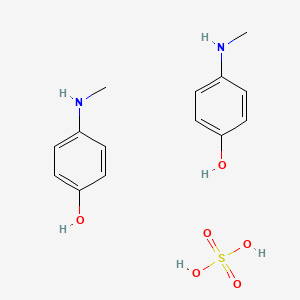
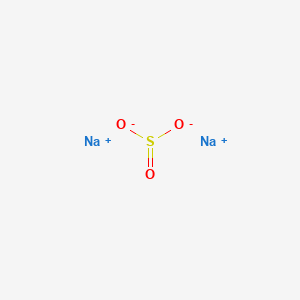
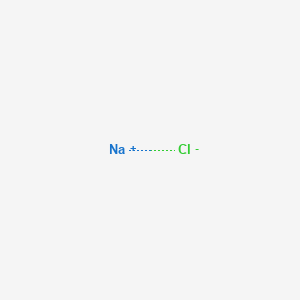
Chemical structures: PubChem (public domain)
Mixing it at home
The Perceptol formula is straightforward to mix from separate chemicals. Order matters: the metol goes in before the bulk of the sulfite — it barely dissolves in a strong sulfite solution.
- 1Pour about 750 ml of warm water (~45°C) into a 1-liter container and dissolve a small amount of sodium sulfite (about 10 g) in it.
- 2After the sulfite has dissolved, add the metol and dissolve it completely.
- 3Add the remaining sodium sulfite, followed by sodium tripolyphosphate and sodium chloride—add each subsequent substance only after the previous one has completely dissolved.
- 4Let the developer cool to room temperature, then bring the volume of the solution up to 1 liter.
- 5If necessary, filter the prepared developer.
Key points
- The sodium chloride must be chemically pure, with no iodine or additives — ordinary table salt spoils the solution.
- At stock strength the grain is finest but you lose about a stop of speed: the heavy sulfite and low pH etch the grain for longer. Diluted 1:3, speed returns to box value and the grain is larger but sharper.
- Perceptol is Ilford’s counterpart to Kodak Microdol-X (and a close relative of the Soviet D-25): the same metol, sulfite and salt.