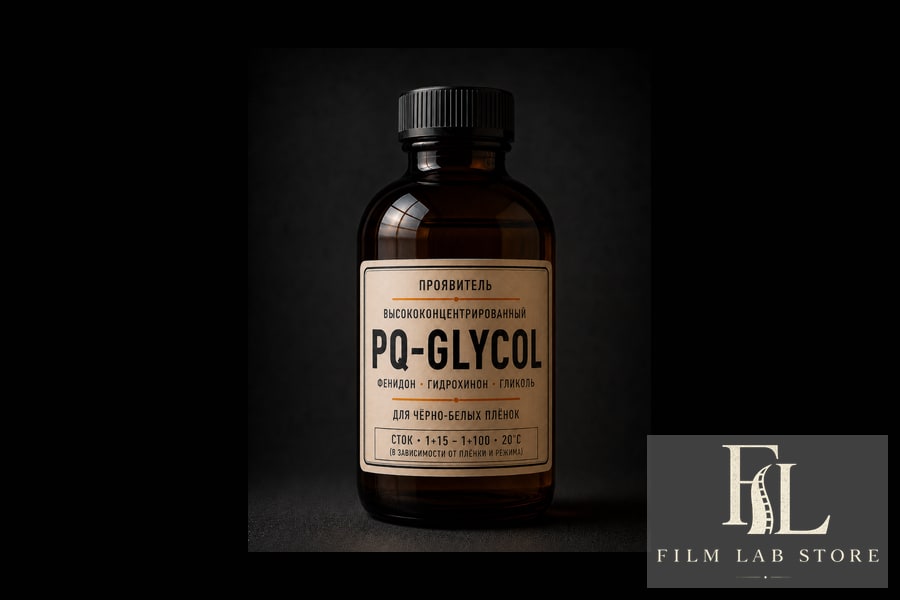
Highly Concentrated PQ-Glycol
The glycolic variation of Pirocat HD, based on a phenidone-hydroquinone combination, has the same staining properties but uses a different set of reagents.
About this developer
This color developer is a variation of the Pyrocat HD developer (by Patrick Geiner) and is also suitable for developing film. Unlike Pyrocat, it uses a different pair of developing agents: phenidone and hydroquinone. The developer is prepared from two stock solutions, A and B, which are mixed and diluted with water in a volume ratio of 1 (solution A) + 1 (solution B) + 50 (water). The working solution is prepared immediately before use, as it is unstable.
Character
Phenidone-hydroquinone (PQ) concentrate in glycol; stable, highly dilutable.
How to Prepare and Use
- 1Immediately before developing, mix 1 part of Solution A, 1 part of Solution B, and 50 parts of water.
- 2Develop at a temperature of 20–21°C according to the times listed in the table for your film; prepare the developing solution immediately before use—it is unstable.
Development times for different films
| Film | Breeding | Time @ 20–21°C |
|---|---|---|
| Sveema-100 (100 units) | 1+1+50 | 13–14 min |
| A-2Sh (Sveema, 400 units) | 1+1+50 | 10 min |
| Fortepan-100 (100 units) | 1+1+50 | 12–13 min |
| Lucky SHD-100 (100 units) | 1+1+50 | 20–22 min |
The times provided by the author of this formula are for specific Soviet/Eastern European films at 20–21°C; Modern Western films (Tri-X, HP5+, Fomapan) have not been tested in this source—the working solution is unstable, so prepare it immediately before use.
Pros
- It produces a colored image and beautiful tones, just like Pirokat HD, but using a phenidone and hydroquinone combination
- Two stable stock solutions; the working solution is prepared immediately before use
- Propylene glycol can be replaced with ethylene glycol or glycerin
Cons
- The working solution is unstable—prepare it immediately before developing.
- The exposure time information in the source applies only to Soviet/Eastern European films; for Tri-X/HP5+, you'll have to determine the exposure time yourself
- Fenidone dissolves in glycol only when heated to ≈60°C—it'll take some effort
Two reserve solutions, 100 ml each (A and B)
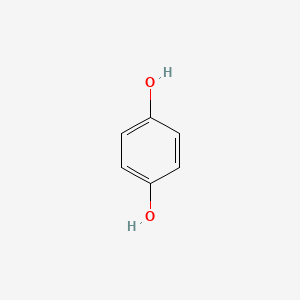
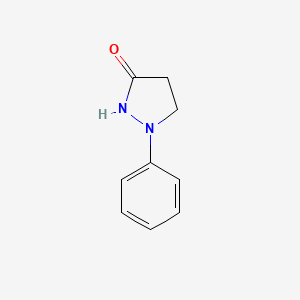
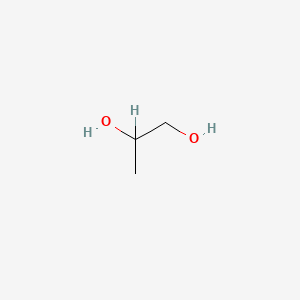
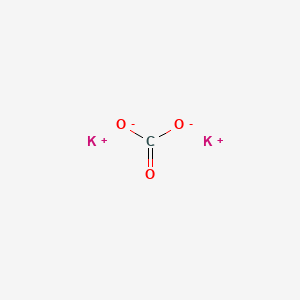
Chemical structures: PubChem (public domain)
Mixing it at home
A phenidone–hydroquinone (PQ) concentrate in glycol: solution A (the developing agents in glycol) and solution B (potassium carbonate in water).
- 1Solution A: Dissolve hydroquinone (5 g) and phenidone (0.2 g) in propylene glycol (to a total volume of 100 mL). Instead of propylene glycol, ethylene glycol or glycerin may be used in the same amount; to ensure proper dissolution of phenidone, the glycol or glycerin must be heated to approximately 60°C.
- 2Solution B: Dissolve potassium carbonate (potash) (75 g) in water (to 100 mL).
Key points
- The glycol concentrate keeps for a long time and dilutes heavily; the solutions are mixed only right before developing.