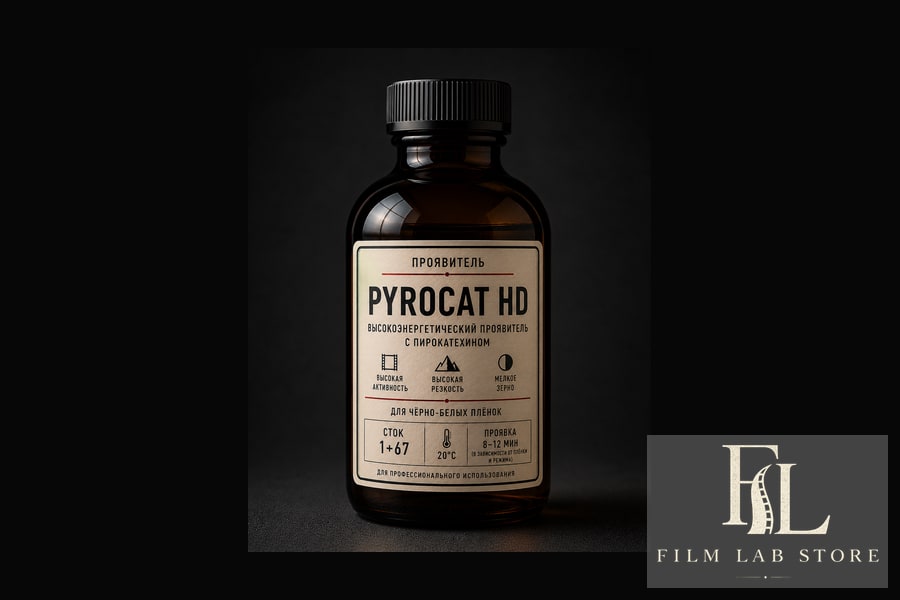
Pyrocat HD High-Concentration Pyro Developer
One of the most consistent staining (pyro) developers—it produces high sharpness, fine grain, and minimal fogging.
Safety
Pyrocatechin (pyrocatechol) in Solution A is toxic and easily absorbed through the skin—work only while wearing nitrile gloves and safety goggles, and in a well-ventilated area (or under a fume hood); Avoid skin contact and inhalation of dry powder when weighing—use a respirator with an organic dust filter. If swallowed, if it gets in your eyes, or if you experience severe skin irritation, seek medical attention immediately. Do not pour used solution down the drain without diluting it with a large amount of water—dispose of it as household chemical waste in accordance with local regulations. Store Solutions A and B in labeled, tightly sealed containers, separate from food and out of the reach of children.
About this developer
Pyrocat HD is a highly concentrated developer that produces excellent results. Pyrocatechin-based developers (pyro developers) belong to the category of so-called dye developers—they produce a distinct, unique, and incomparable image processing effect. It is a two-component developer, and the stock solutions have a very long shelf life. According to most users, Pyrocat HD is the most stable of all coloring developers, and given its low price and high concentration, it is suitable for every conceivable—and even inconceivable—application. In skilled hands, pyro developers produce remarkable edge effects, tonal separation, and increased internal sharpness, but they require extra attention, strict adherence to processing times, and meticulous care and cleanliness of the equipment. The composition of Pyrocat HD is carefully balanced: when mixed thoroughly, it produces high-definition negatives with a beautiful grain pattern, and when mixed minimally or partially, it enhances edge effects. The developer slightly increases the sensitivity of the film, especially at a dilution ratio of 1:1:100. Advantages: very high definition and the ability to achieve greater visual sharpness in prints; a very dense grain structure on 35-mm film, useful for printing large-format images; very clean development and low overall coloration even with long development times—attractive for alternative printing processes requiring negatives with a high contrast index (CI); It performs consistently, without causing uneven coloration or streaking; it has a long shelf life and is relatively inexpensive compared to pyrogallic developers.
Character
Pyrocatechol staining developer. Stained image, high sharpness, local compensation, beautiful tonal structure. For scanning and alternative printing. Requires careful handling.
Best films
Sheet film, medium format, Ilford FP4+/HP5+, Kodak Tri-X, T-Max, Fomapan 100/200, ADOX CHS 100 II, landscape/portrait with a long focal length.
How to Prepare and Use
- 1To prepare the working solution, mix 1 part of Solution A and 1 part of Solution B, then dilute with 100 parts of distilled water (1:1:100).
- 2Develop the print with thorough agitation for maximum sharpness and fine grain detail, or with minimal or partial agitation to enhance edge effects.
Development times for different films
| Film | Breeding | Time @ ~21°C |
|---|---|---|
| Ilford FP4+ (EI 80) | 1:1:100 | 10¾ min |
| Ilford Delta 100 (EI 125) | 1:1:100 | 11¼ min |
| Ilford HP5+ (EI 320) | 1:1:100 | 13½ min |
| Kodak T-Max 400 (EI 400) | 1:1:100 | 14 min |
Time — starting point based on the independent Pyrocat HD development guide (community chart, 1:1:100 dilution, ~21°C/70°F), not from the original recipe source. Adjust according to your specific film, tank, and agitation—pyrodevelopers are more sensitive to agitation than usual.
Pros
- The most stable of the staining (pyro) developers—solutions can be stored for 12 months (A) and 5 years (B)
- Extremely high sharpness and a distinct grain pattern
- Very low overall haze/color cast even with extended development times—suitable for alternative printing with high CI
- Low price combined with high solution concentration
Cons
- Toxic — pyrocatechin is poisonous and irritates the skin and mucous membranes; use only with protective equipment
- Requires strict adherence to the timing and effective promotion to ensure consistent results
- Preparing Solution B (potassium hydroxide) requires careful heating and the addition of ingredients in batches
Two backup solutions, 1 liter each (A and B)
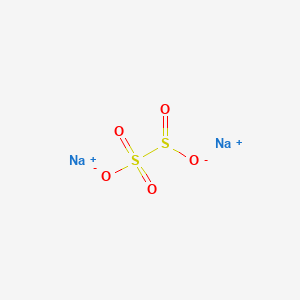
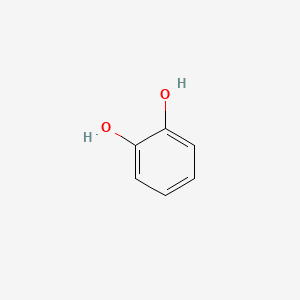
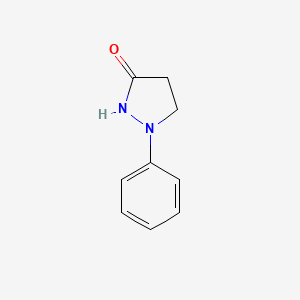
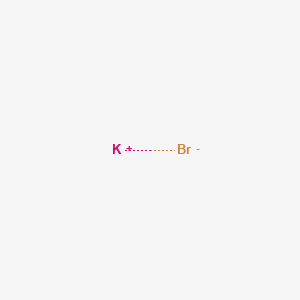
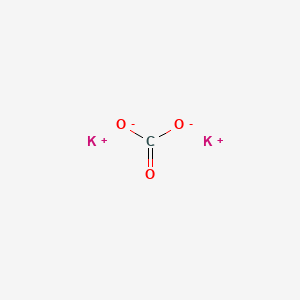
Chemical structures: PubChem (public domain)
Mixing it at home
A pyrocatechin staining developer; you make two stock solutions, A and B.
- 1Solution A: Take 750 mL of distilled water and, while stirring, completely dissolve 10 g of sodium metabisulfite. Add 50 g of pyrocatechol and, again while stirring constantly, completely dissolve it.
- 2Mix 2 g of phenidone with 5 mL of isopropyl alcohol until a paste forms, add it to the main solution, and stir until completely dissolved.
- 3Add 1 g of potassium bromide and dissolve it completely. Bring the volume of solution A to 1000 mL.
- 4Solution B: Take 1,000 mL of distilled water, heat it to 55–60°C, and, in small portions while stirring vigorously and continuously, dissolve 1,000 g of potash (potassium carbonate)—if added all at once or if stirring is insufficient, not all of the potash will dissolve. During the dissolution process, the solution will heat up, and its total volume will become approximately 1300 mL.
Key points
- It gives a stained image, high sharpness and local compensation — popular for scanning and alternative printing. Pyrocatechin is toxic.