Film Developer Recipes
Black-and-white film developer recipes — from the classic D-76 and Rodinal to fine-grain, high-acutance and push developers. Each lists its composition, dilution, temperature and development time.
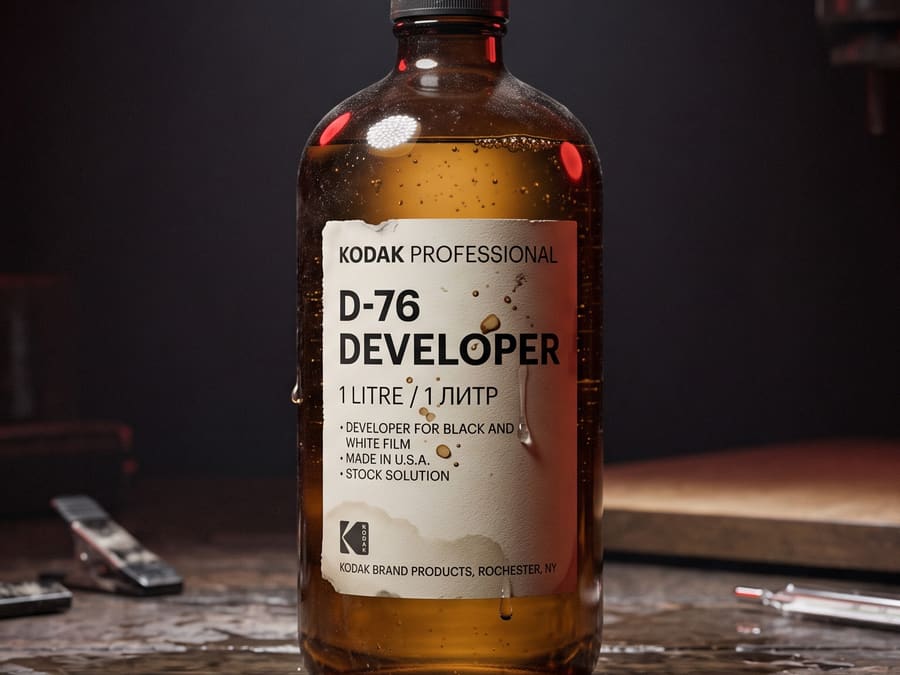
Kodak D-76
A standard proven over decades for soft, smooth halftones.
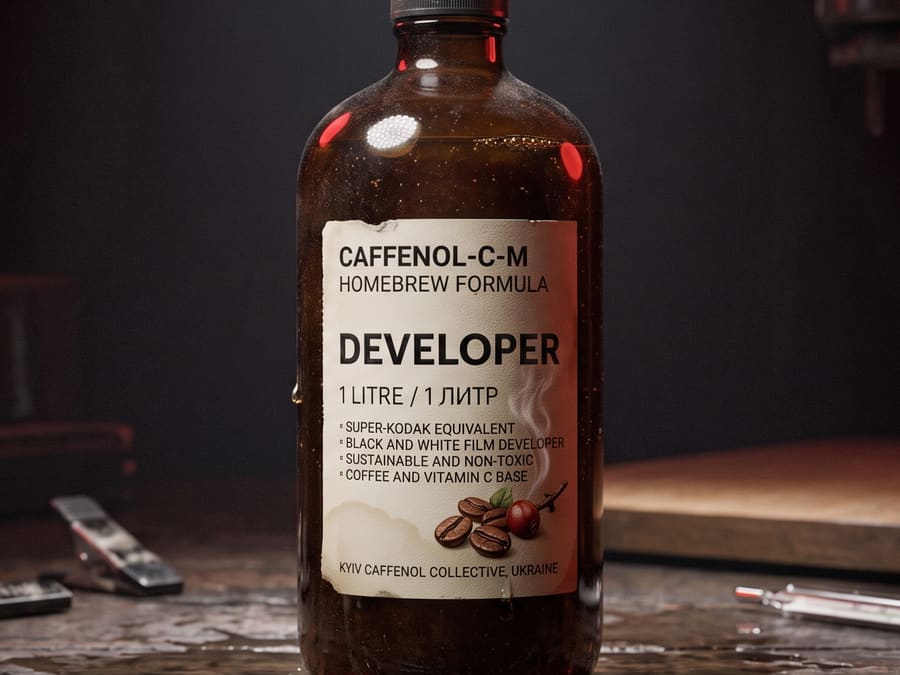
Caffenol (C-M)
A developer made from coffee, baking soda, and vitamin C—no store-bought chemicals.
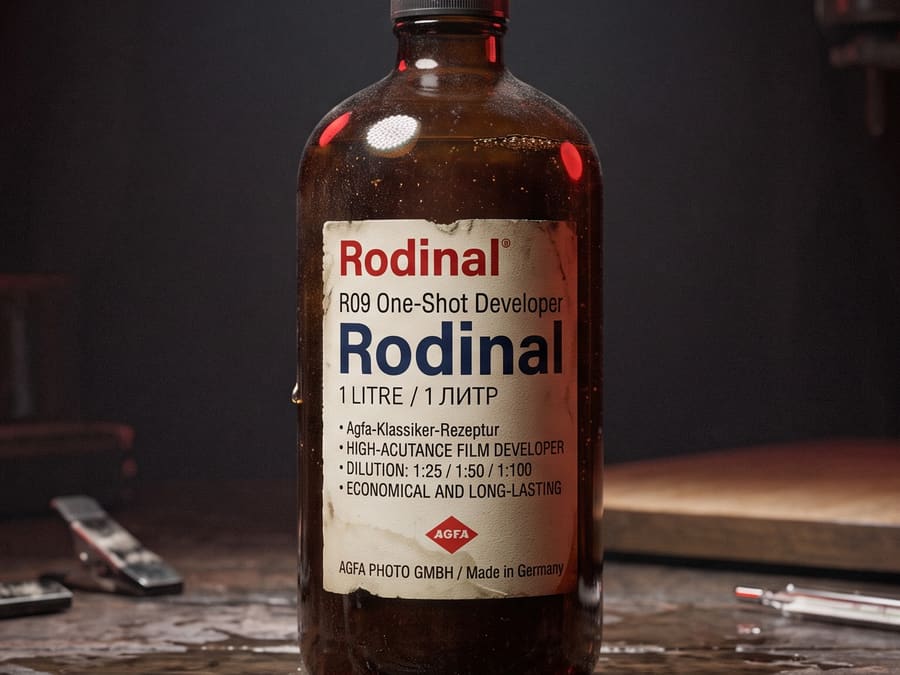
Rodinal (R09)
Maximum sharpness and a record-breaking shelf life for the concentrate.
Kodak D-23
Just two ingredients—the simplest recipe for your first homemade blend.
Ilford ID-11
A classic MQ powder developer that is virtually indistinguishable from Kodak D-76 in terms of composition and results.
Kodak HC-110
A syrup-like concentrate in a single bottle that will last for years—no need to mix anything in advance.
Kodak XTOL
Kodak's proprietary XTOL powder—not to be confused with the homemade X-TOL and AKFF clones on this site.
Kodak D-96
A standard film developer for black-and-white cinematographic negatives—it produces a soft, even, “cinematic” tone.
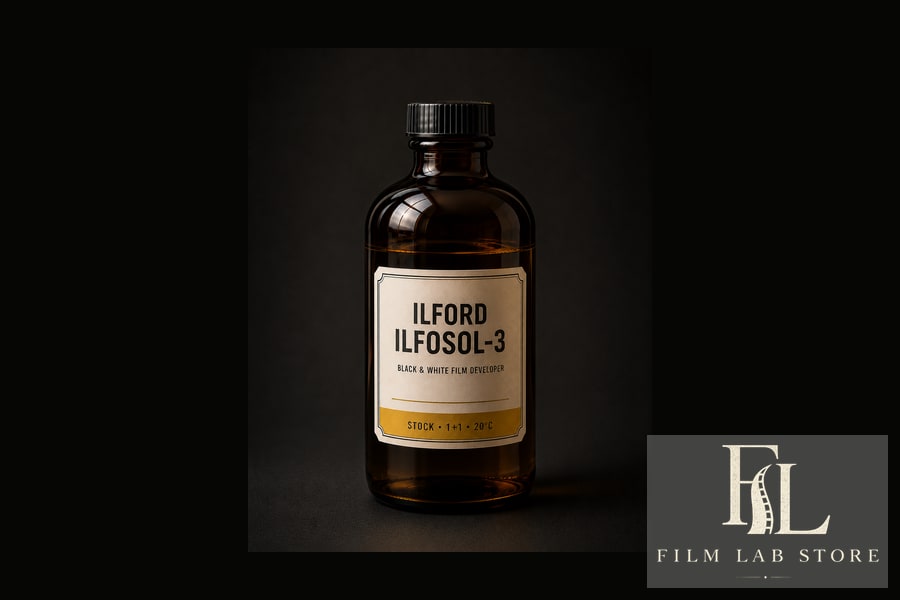
Ilford Ilfosol-3
A liquid, single-use developer that requires no mixing—just dilute it according to the table for the tank and develop immediately.
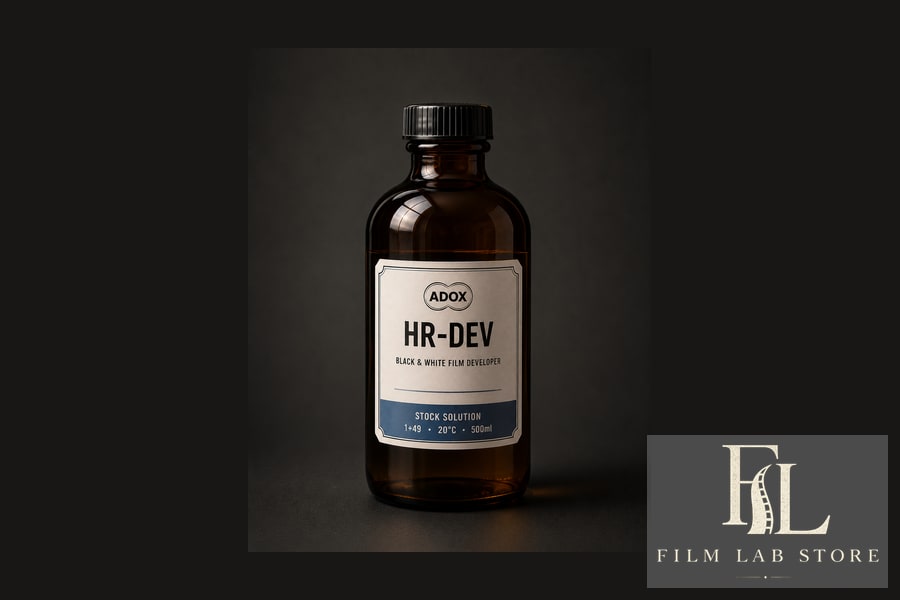
ADOX HR-DEV
A developer that "flattens" the contrast curve—designed for ADOX HR-50, but also works with standard panchromatic films.
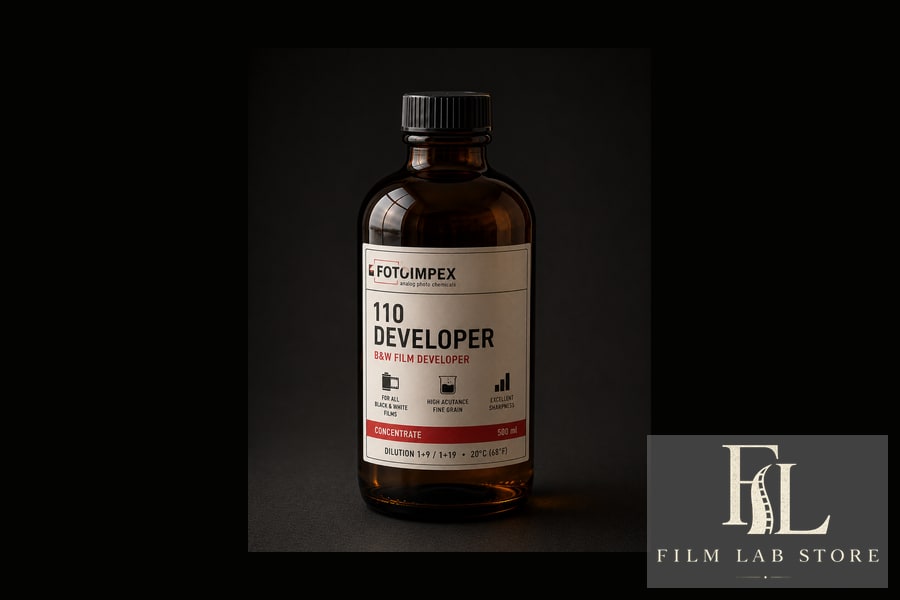
FOTOIMPEX 110 Developer
It's the same developer as Kodak HC-110, only under the European brand Fotoimpex—the dilutions and processing times are the same.
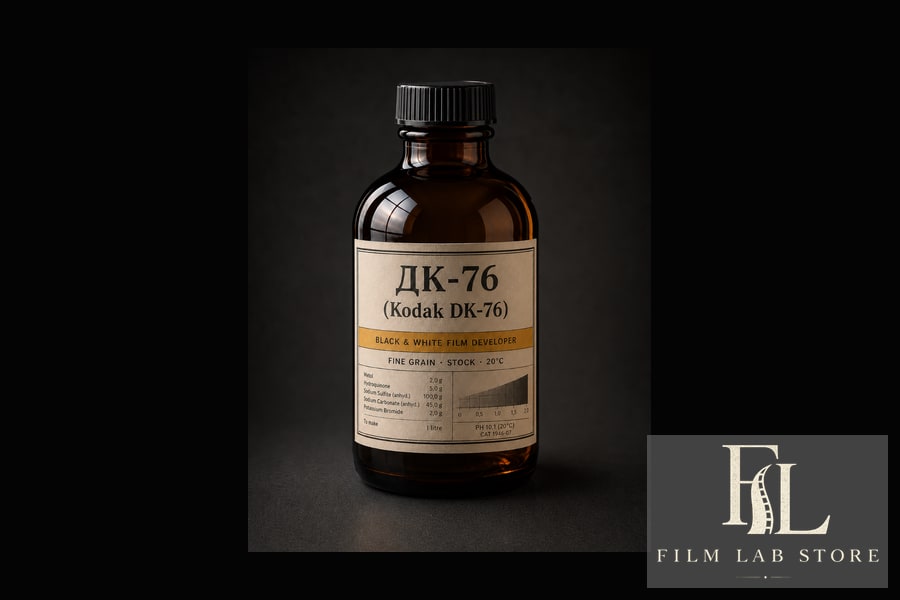
DK-76 (Kodak DK-76)
The buffered metol–hydroquinone analog of D-76 buffered with Kodalk or borax—it has the same gentle, even-toned character and is a domestically developed formula.
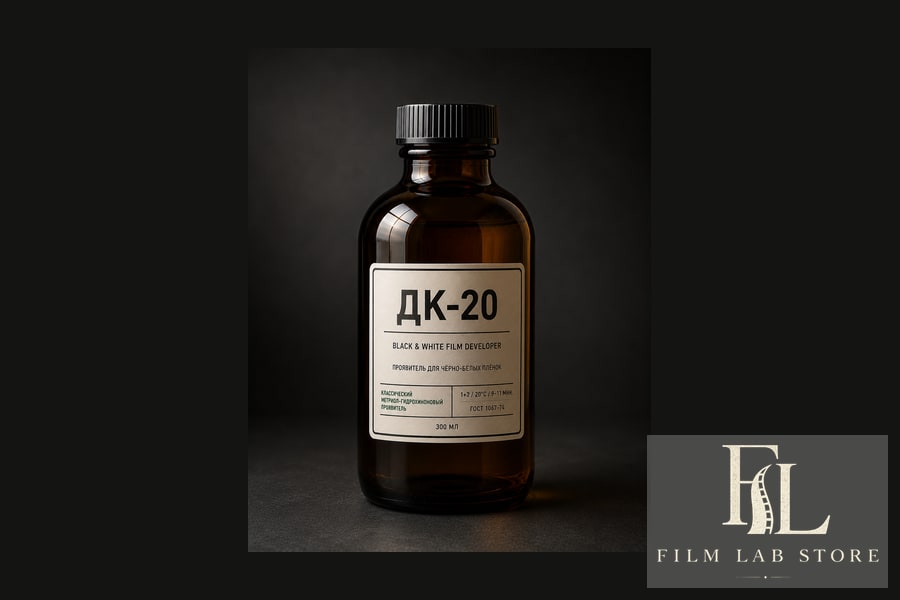
DK-20
An ultra-fine-grain metol-rodanide developer that reduces grain and light sensitivity to achieve maximum smoothness in the negative.
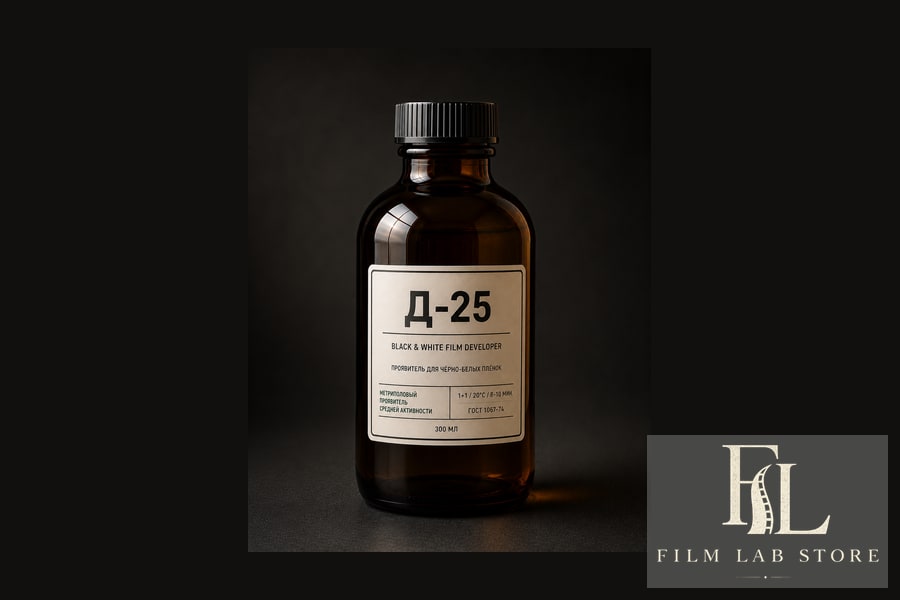
D-25
An ultra-fine-grain metol-bisulfite developer for gentle development of old and expired film.
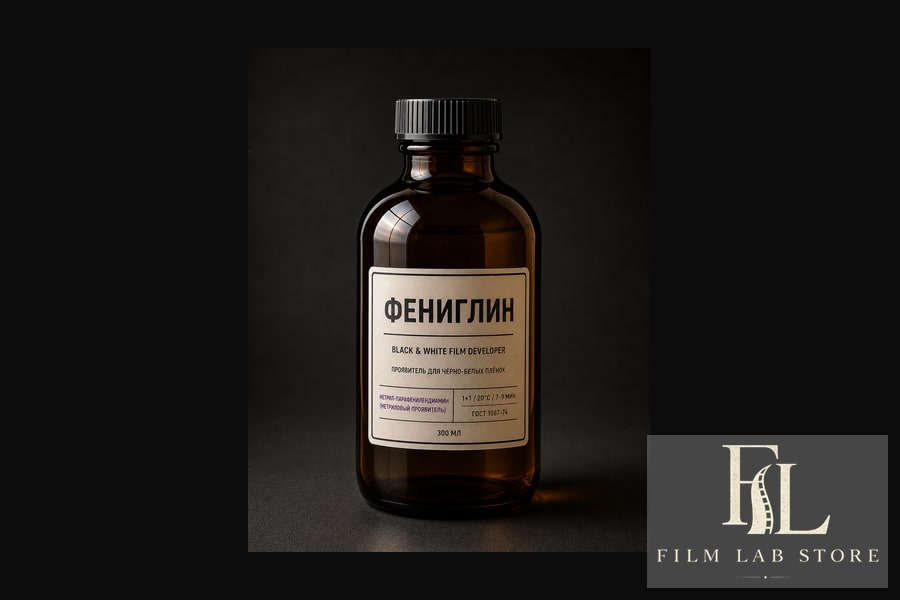
Pheniglin
A phenidone-glycine push developer that increases the film's effective sensitivity up to 4 times with virtually no fog.
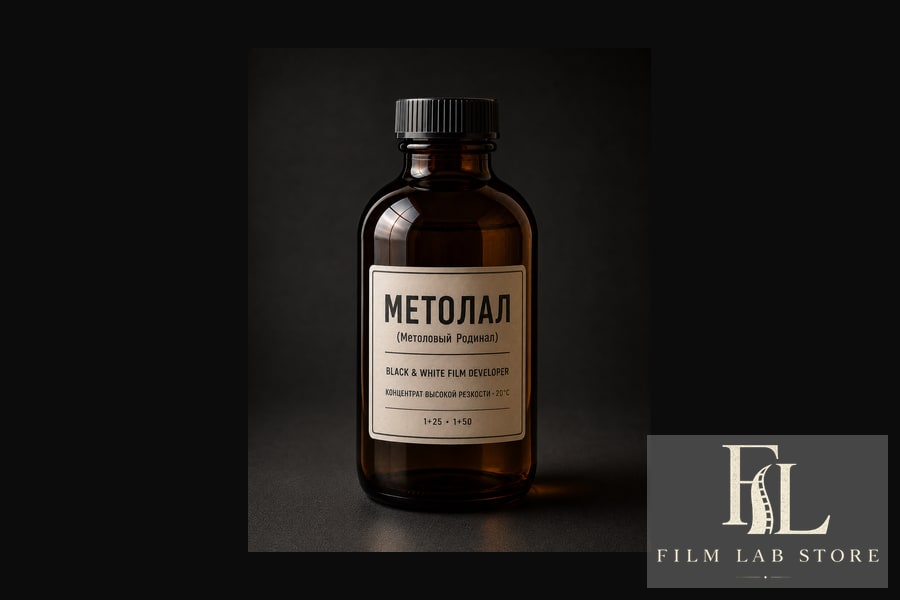
Metolal (Metolov Rodinal)
A highly concentrated, all-purpose metol-based developer—an alternative to Rodinal for film and photo paper.
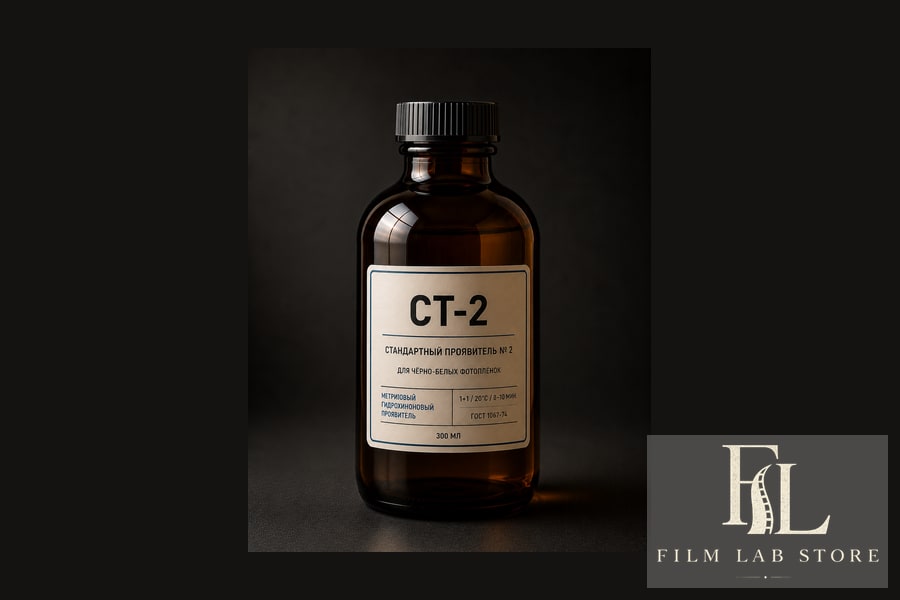
Standard Developer No. 2 (ST-2)
A time-tested standard developer for domestic photographic films, known abroad as ORWO-12.
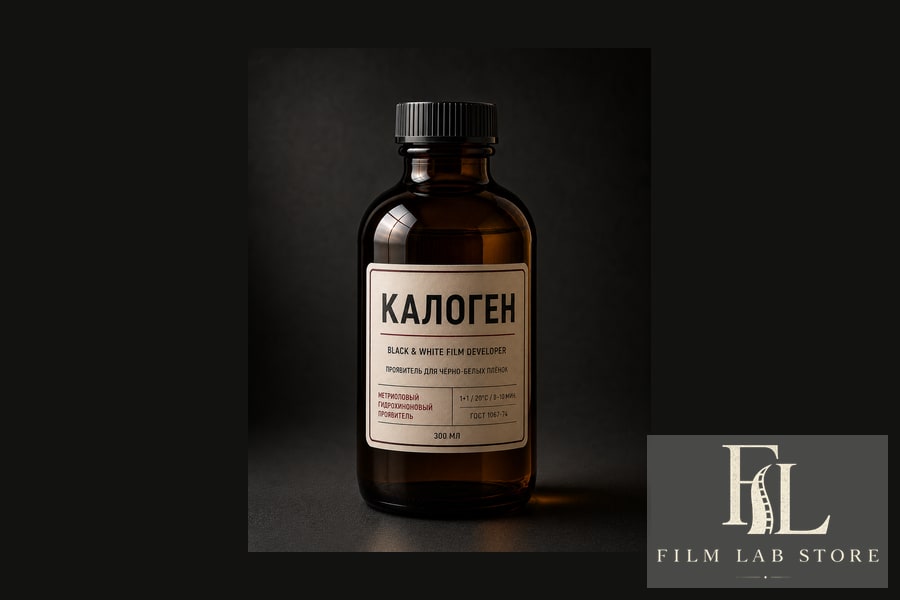
Kalogen
A versatile, highly concentrated rodinal-type developer for film and photo paper, producing deep blacks.
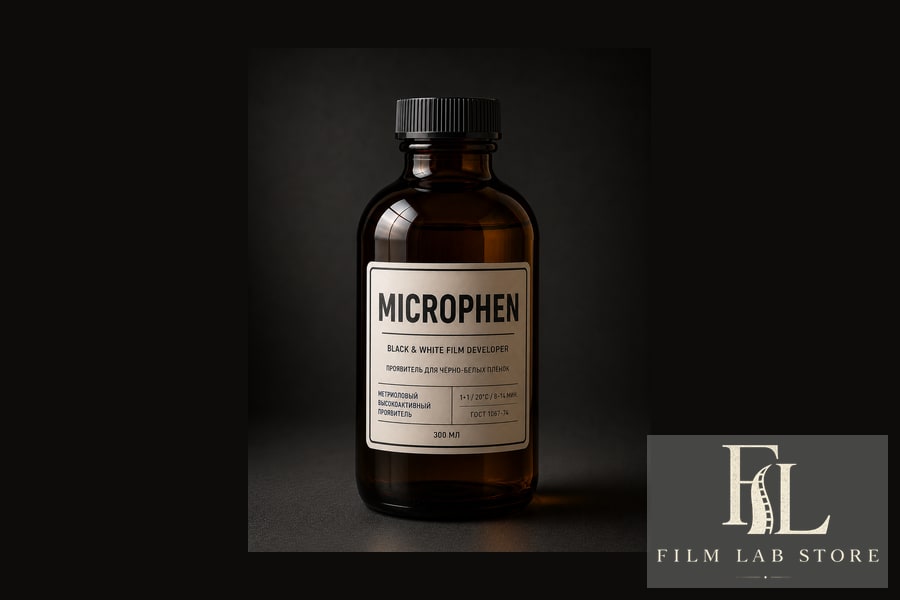
Microphen
Ilford's low-alkali developer, which increases the film's actual sensitivity with virtually no increase in grain—the gold standard for push processing.
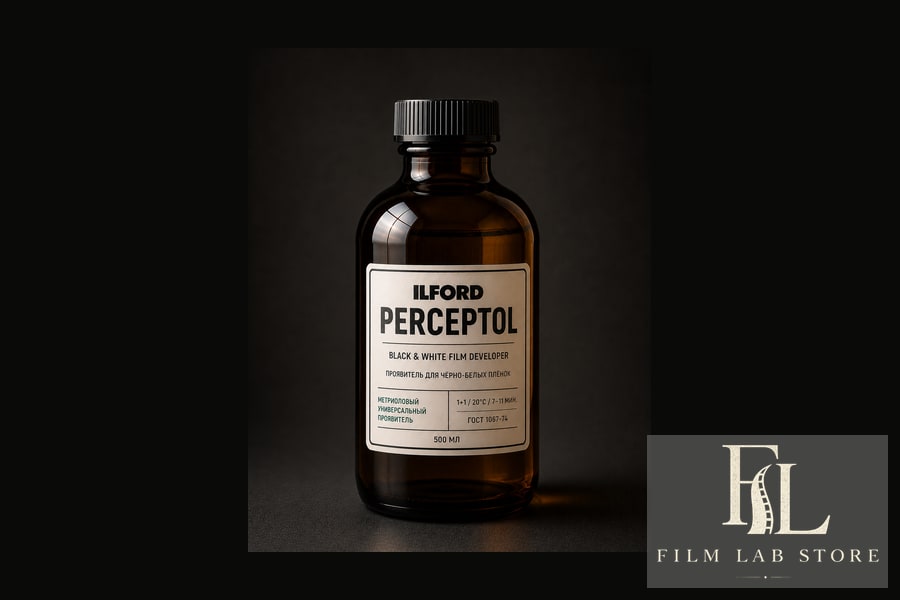
Ilford Perceptol
An ultra-fine-grain, alkali-free metol developer sacrifices some of the film's sensitivity in order to produce an extremely smooth negative.
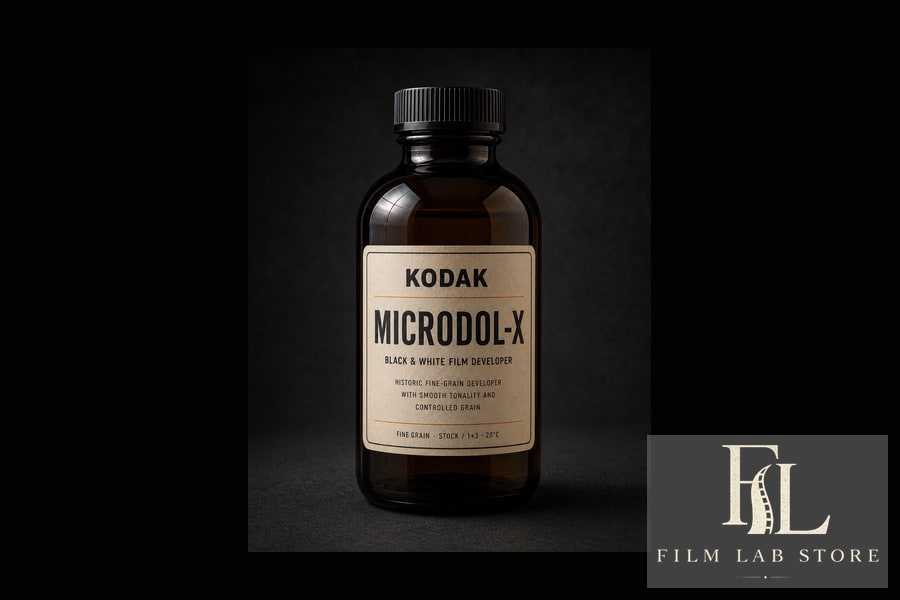
Kodak Microdol-X
Kodak's ultra-fine-grain metol developer is very similar to Perceptol, a product proven over decades by millions of photography enthusiasts.
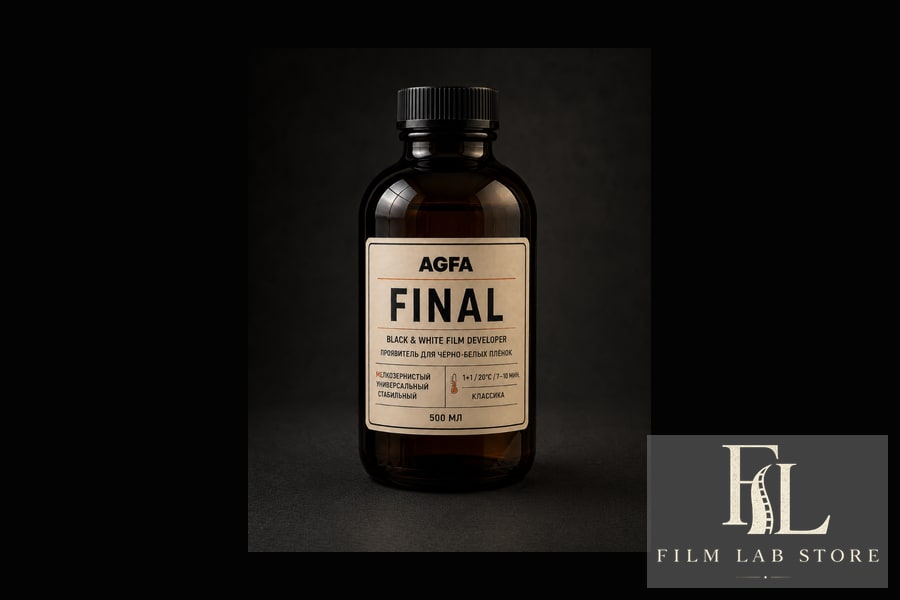
Agfa Final
A universal fine-grain developer based on a boron-citrate buffer—a “timeless classic” for film and cinema with a history spanning nearly 80 years.
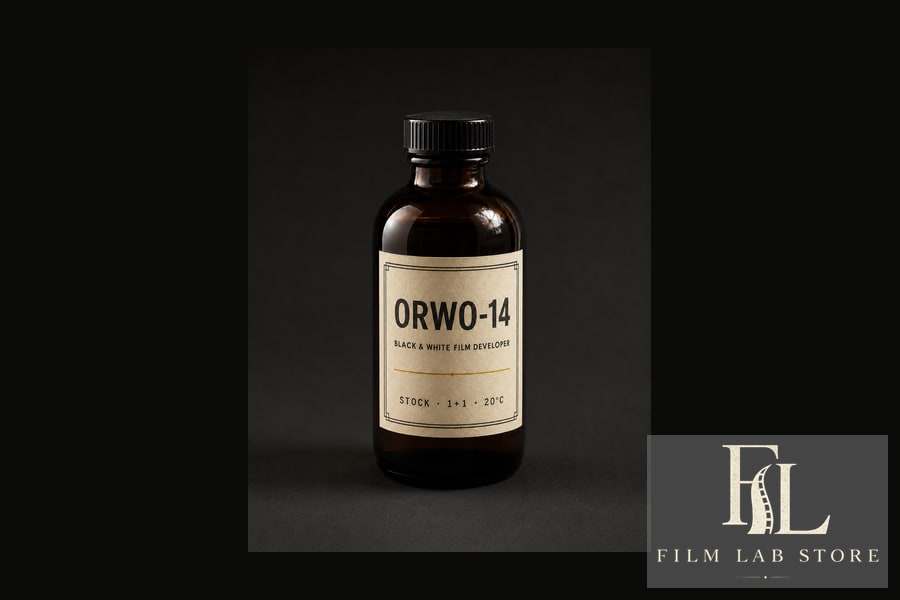
ORWO-14
An inexpensive, metol-based, fine-grain leveling developer for reel film—a workhorse originally from the GDR.
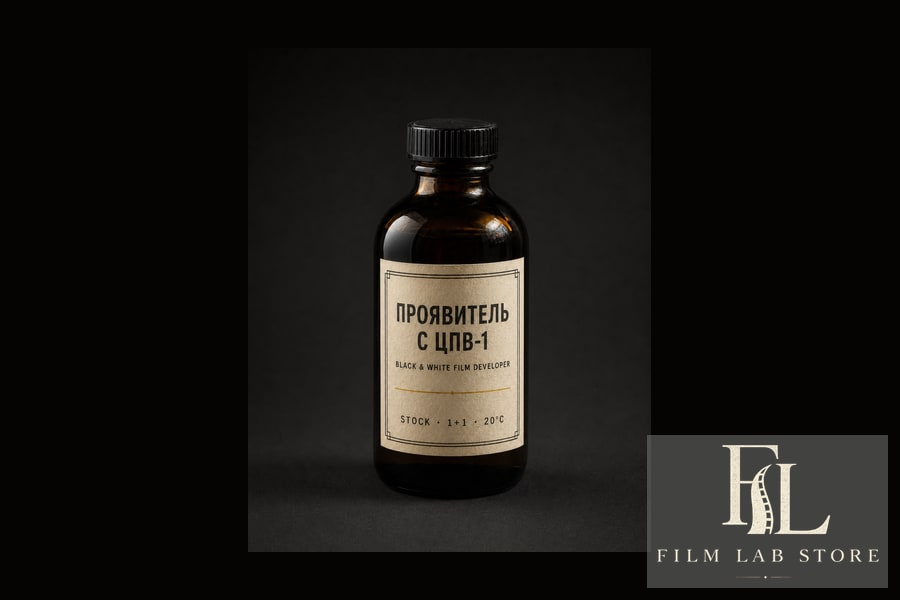
Developer with CPV-1
An exotic ultra-fine-grain formula using the color developer CPV-1 and glycine—resulting in an extremely fine grain with almost no loss of sensitivity.
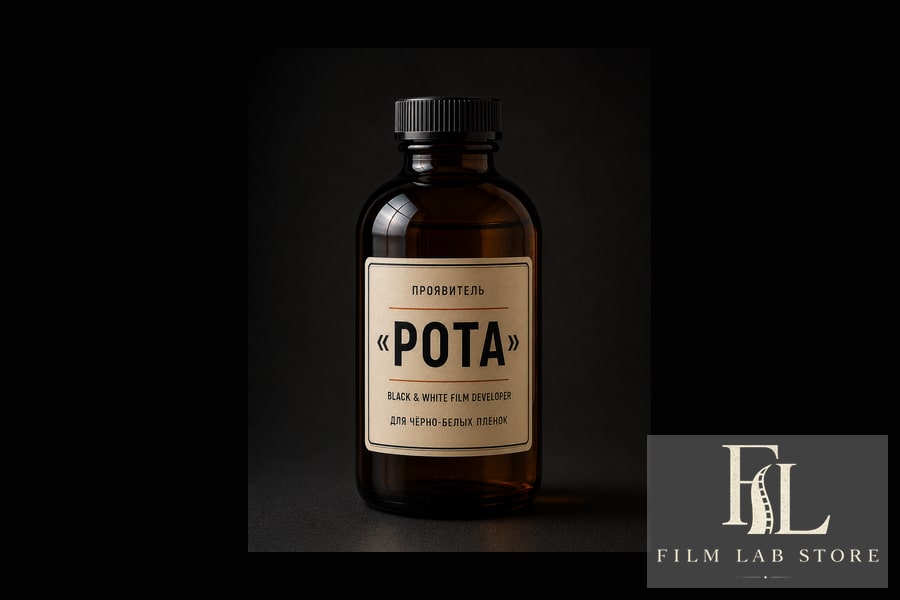
"ROTA" Developer
A low-contrast, single-component phenidone developer for scenes with excessive lighting contrast.
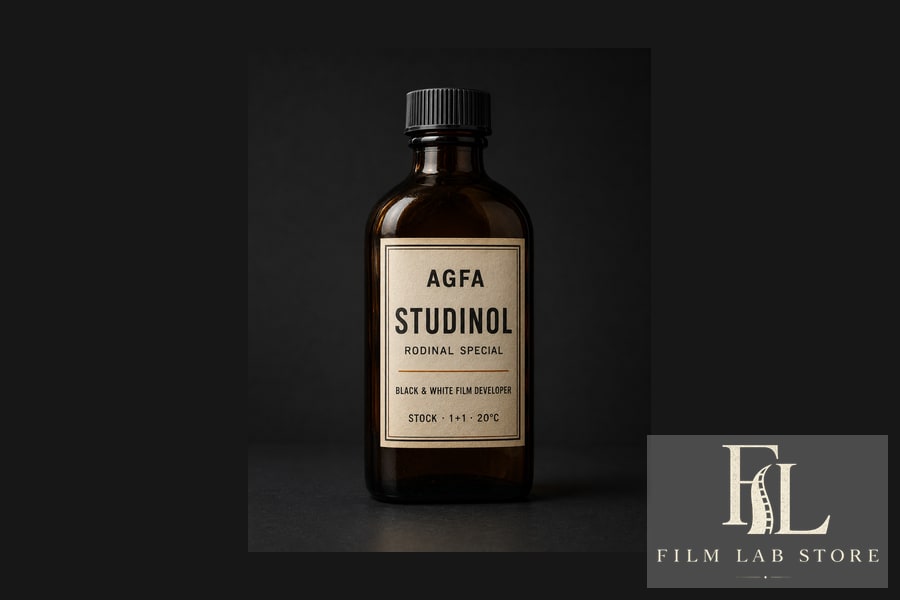
Agfa Studinol (Rodinal Special)
A highly concentrated, universal developer based on a phenidone-hydroquinone system and triethanolamine—despite its name, it functions like Microphen, not Rodinal.
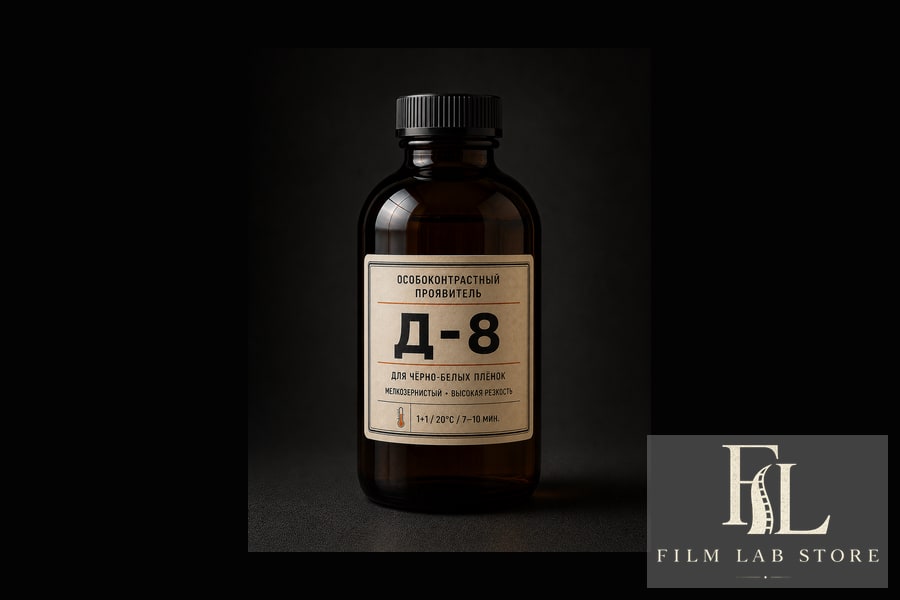
D-8 High-Contrast Developer
A special alkaline developer for maximum contrast—2 minutes, and no halftones, just black and white.
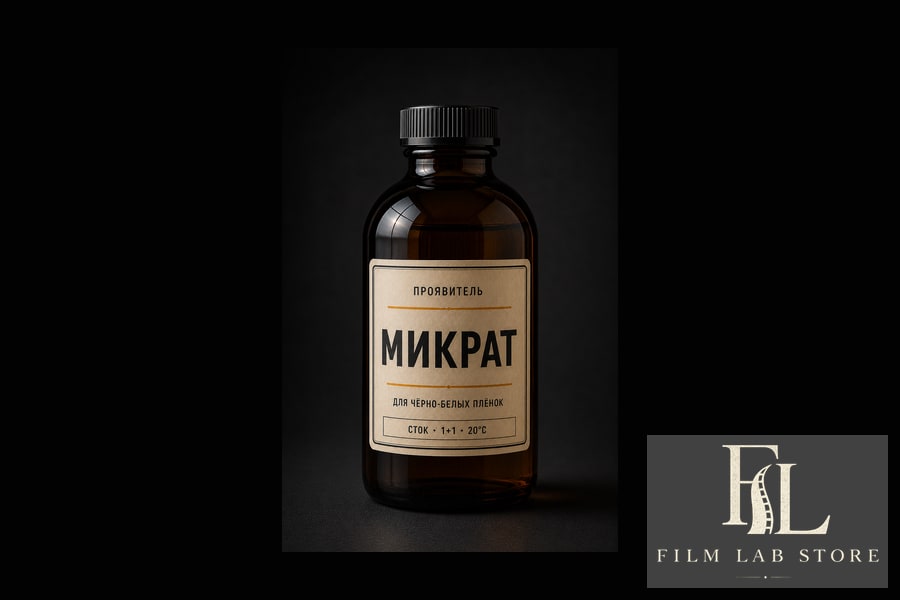
"Mikrat" Film Developer
A high-contrast developer for special halftone technical films such as "Mikrat" and FT-20/30/40.
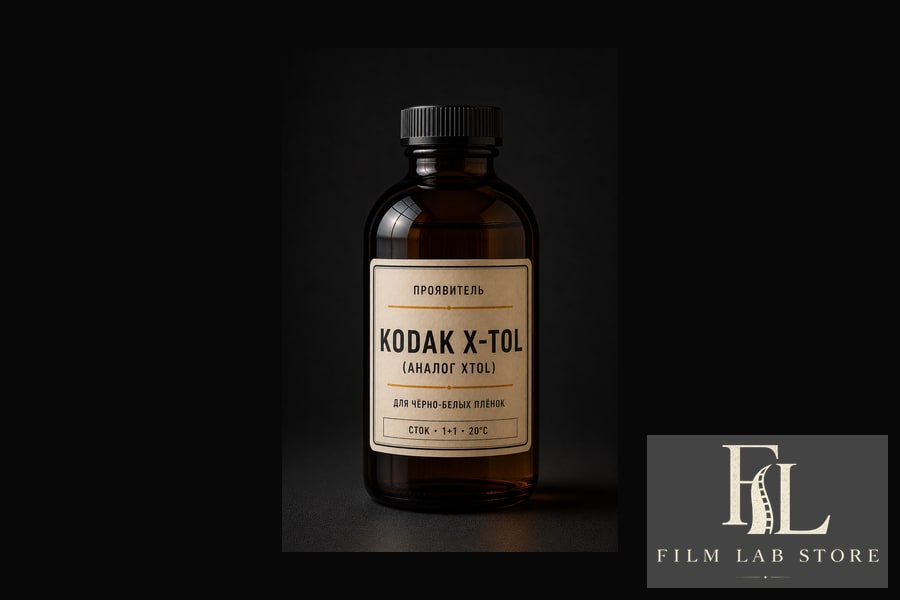
X-TOL Developer
A homemade version of the legendary Kodak XTOL—fine grain, full sensitivity, and gentle shadow rendering.
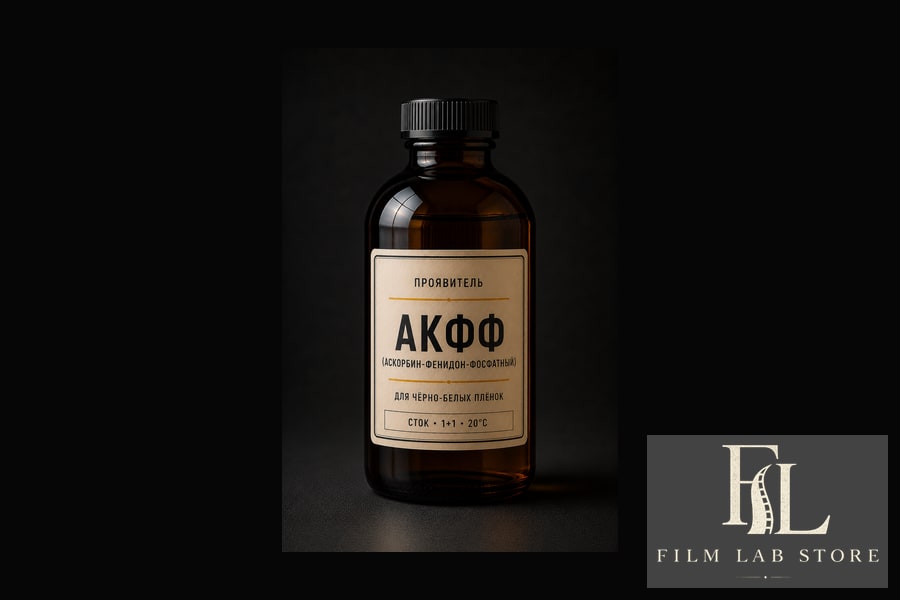
AKFF Developer (Ascorbic Acid-Phenidone-Phosphate)
The Kodalk-free XTOL clone based on phenidone and ascorbic acid is user-friendly, reliable, and recommended by the author for beginners.
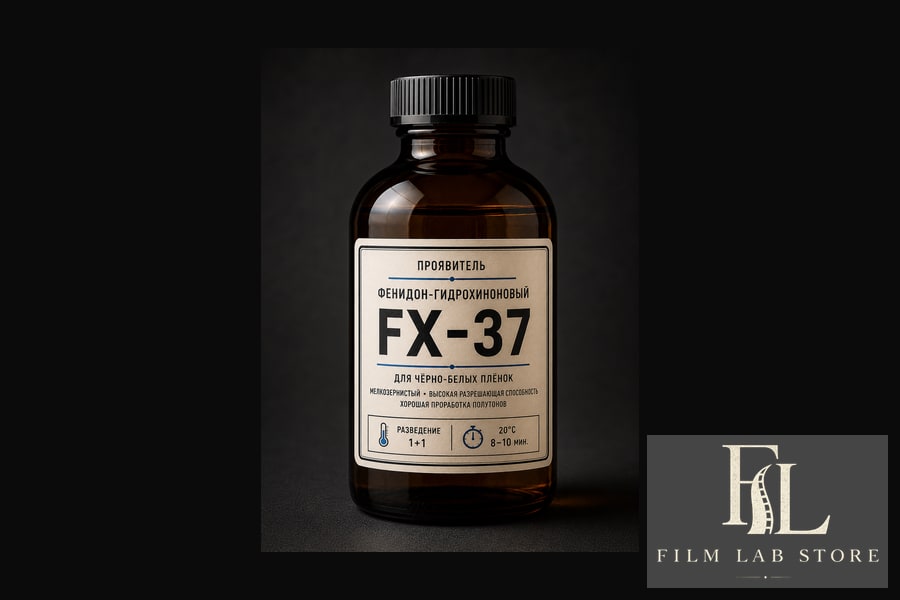
FX-37 Phenidone-Hydroquinone Developer
Jeffrey Crowley's Concentrated Acutance Developer, formulated specifically for T-Max and Delta.
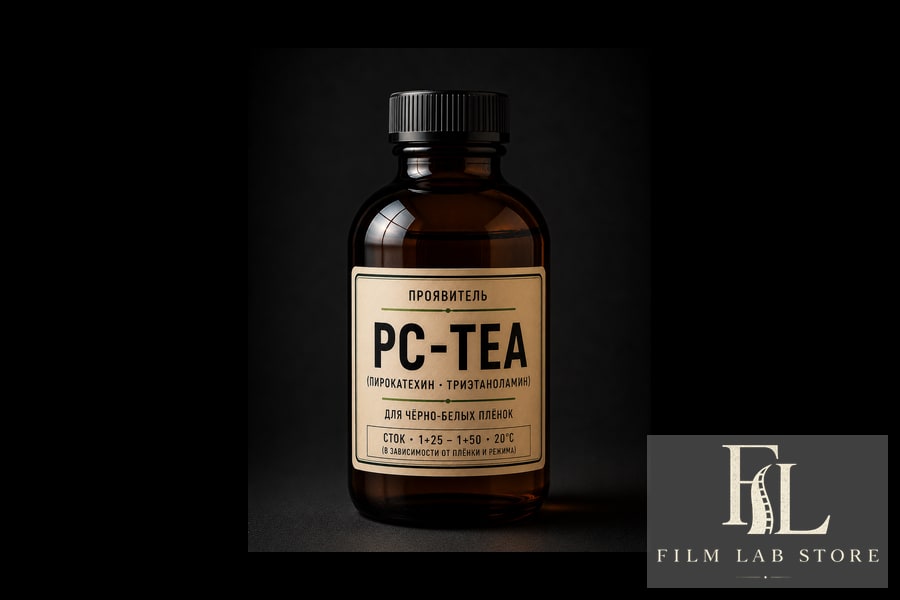
Highly Concentrated PC-TEA Developer
Anhydrous ascorbic acid-phenidone concentrate in triethanolamine—it has a shelf life of over a year and is diluted immediately before use.
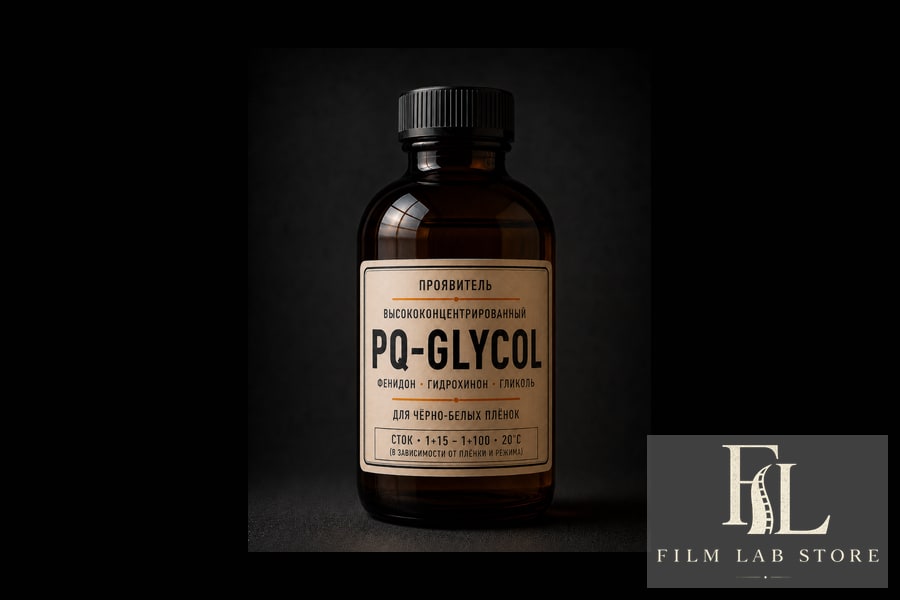
Highly Concentrated PQ-Glycol
The glycolic variation of Pirocat HD, based on a phenidone-hydroquinone combination, has the same staining properties but uses a different set of reagents.
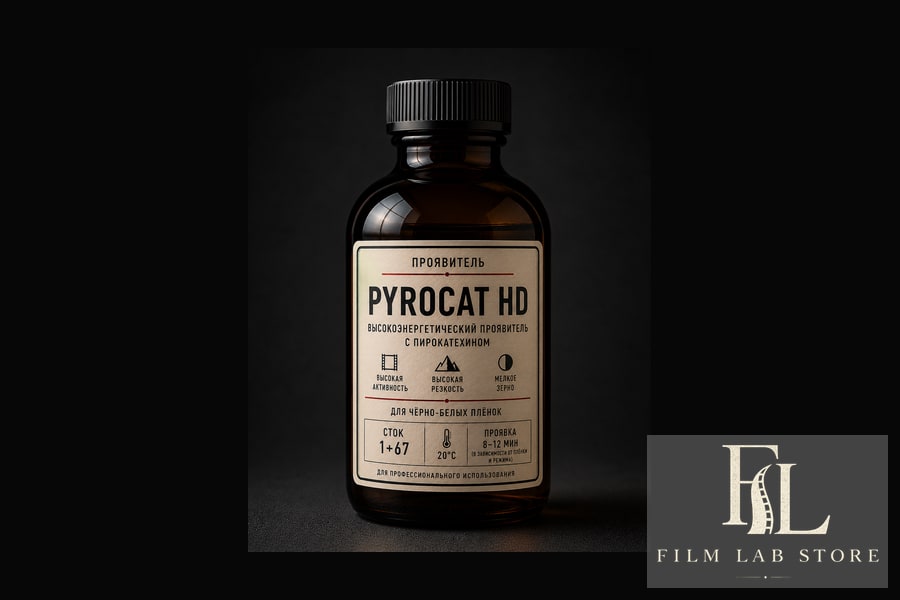
Pyrocat HD High-Concentration Pyro Developer
One of the most consistent staining (pyro) developers—it produces high sharpness, fine grain, and minimal fogging.
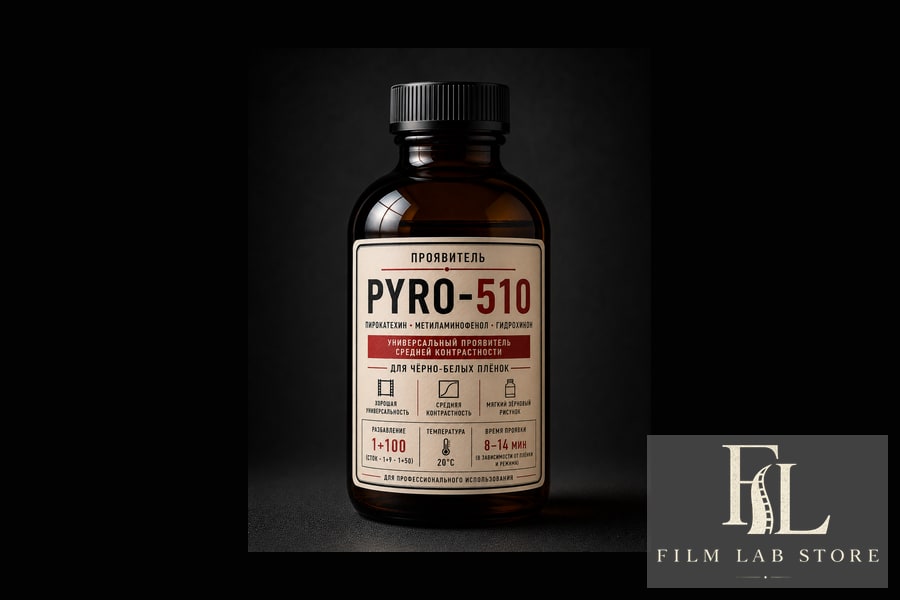
Pyro-510
Single-solution pyrogallic concentrate—offers a unique colored finish and the flexibility to dilute it up to a ratio of 1:500.
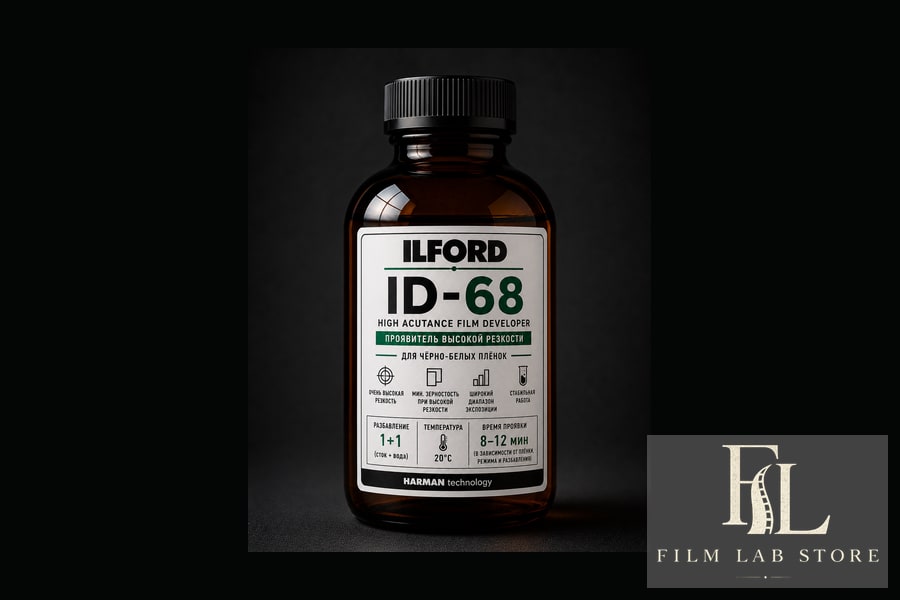
Ilford ID-68
Phenidone-hydroquinone PUSH developer—an evolution of Microphen that increases film sensitivity without increasing grain size.
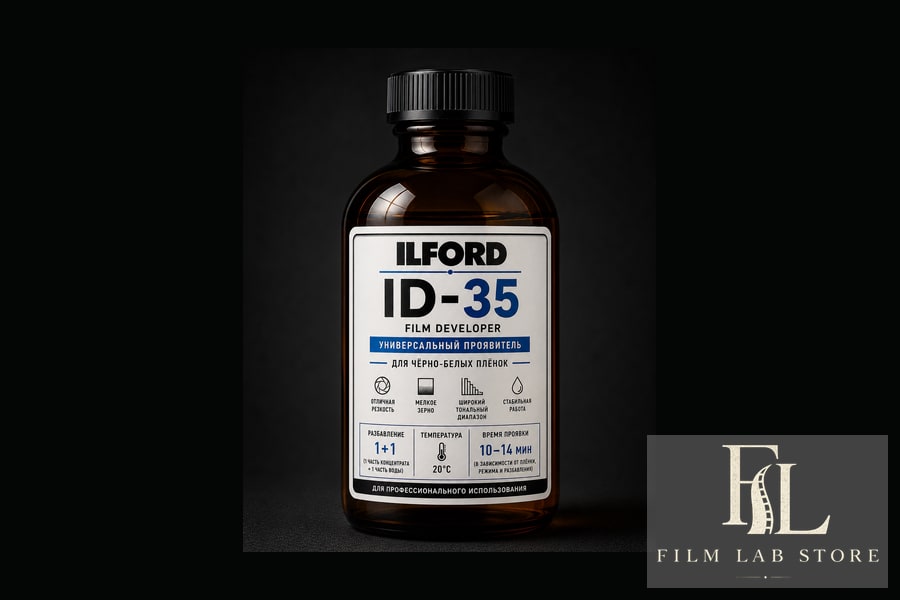
Ilford ID-35
A two-bath developer for deliberately high-contrast processing of negative film—solutions A and B are mixed in a 1:1 ratio immediately before use.
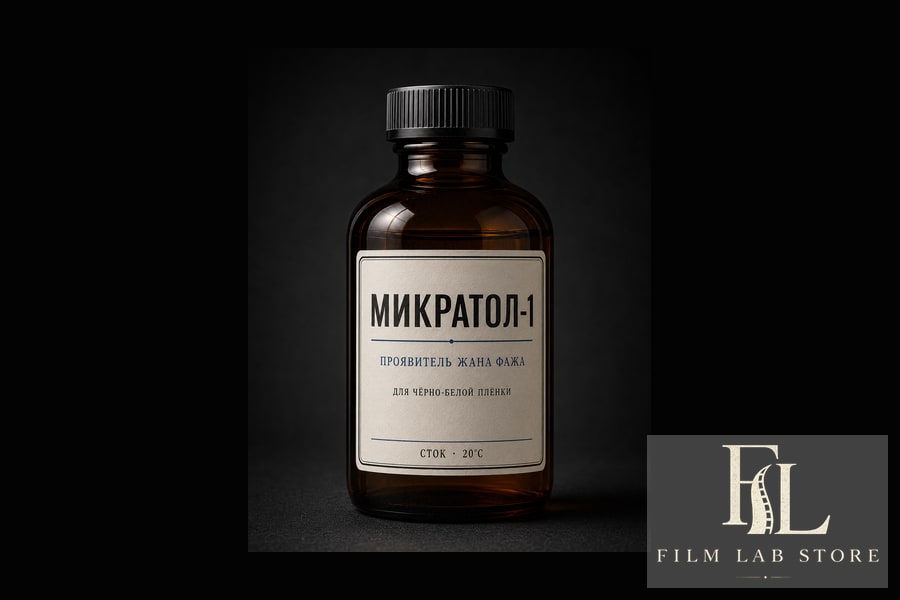
Micratol-1 (Jean Fajot's developer)
A highly concentrated phenidone-metol developer for Mikrat technical films that increases equivalent sensitivity without increasing overall contrast.
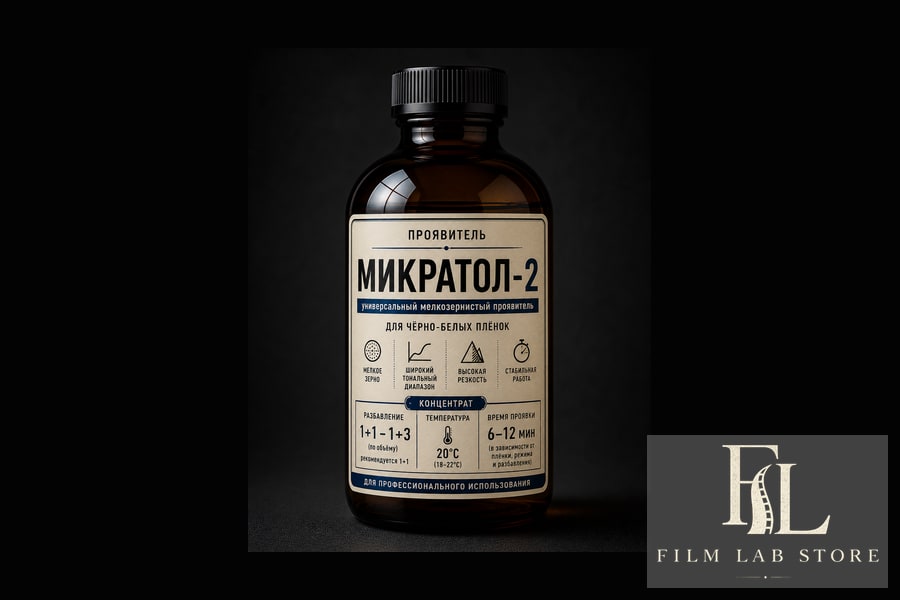
Mikratol-2
A highly concentrated phenidone-glycine developer for technical and low-sensitivity films with a wide dilution range—from 1:50 to 1:100.
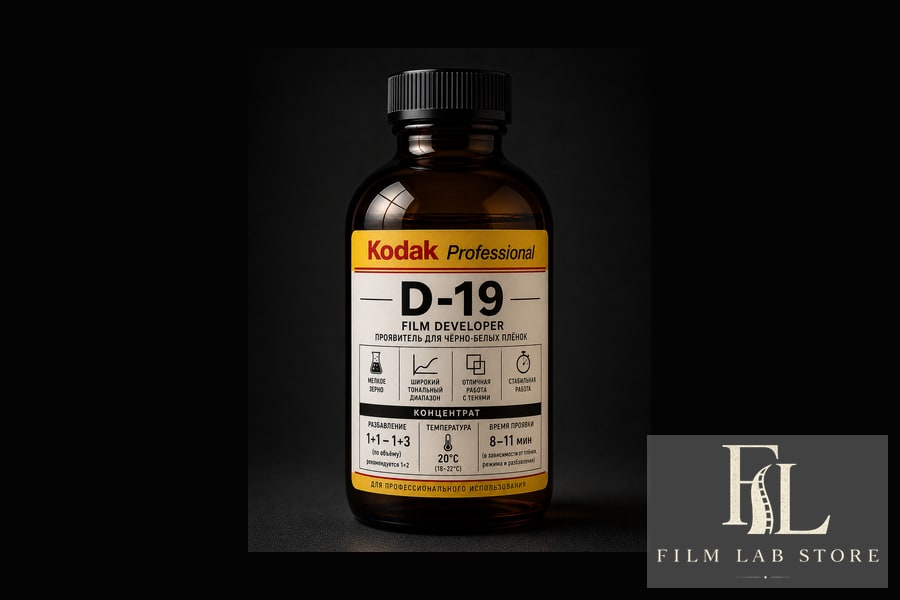
Kodak D-19
Kodak's universal contrast developer for film and photographic paper—the domestic equivalent of which is known as RENTGEN-2—does not reduce the actual sensitivity and is suitable for PUSH processing.
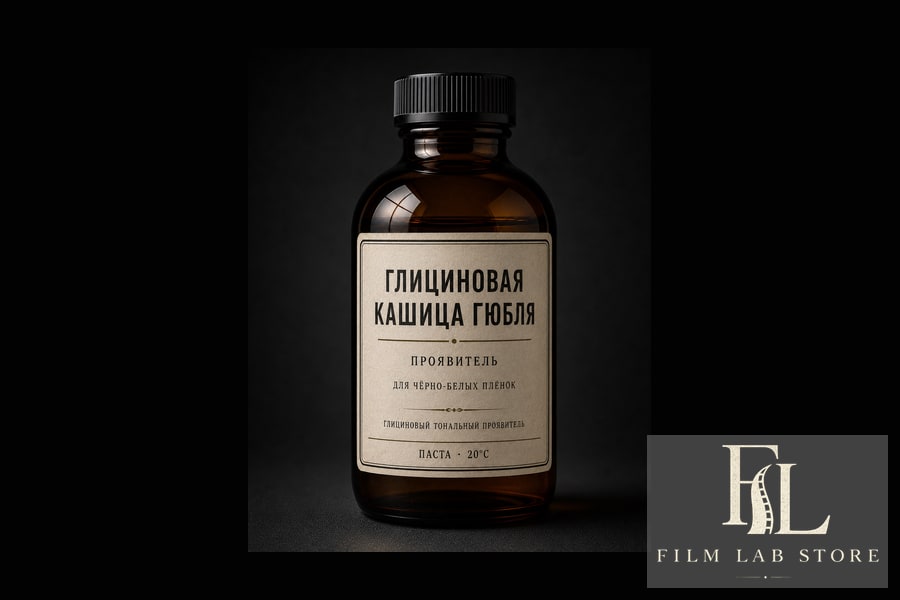
Hübl's Glycin Paste
A classic all-purpose developer based on glycine-photo, a reagent that is nearly impossible to find today—it ranges from high-contrast to extremely mild and smoothing, depending on the dilution.
UP-2 Universal Developer
An energetic metol-hydroquinone developer of the Soviet school: high contrast and dense highlights on film, photographic paper and technical materials.